
Propagation
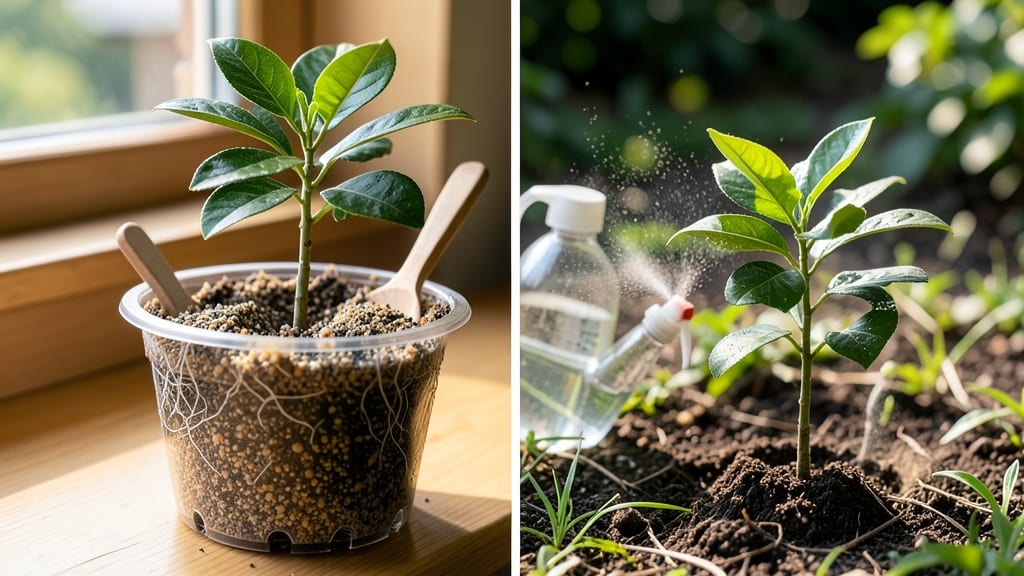
Growing a lemon tree from seed feels like the unbelievable trick—until you realize most seeds never sprout. 🌱 The 90% germination trick starts with a simple kitchen hack that skips the months of waiting and uncertainty.
I’ve nursed dozens of lemon seeds into trees, and this method cuts the guesswork by half while keeping it beginner-friendly.
The secret? A warm, moist environment that mimics tropical soil conditions without fancy equipment. You’ll need just three supplies: a lemon (organic, if possible), a shallow container, and some patience—though the results come faster than you’d expect.
Most seeds sprout within 10-14 days, and by month three, you’ll have a sturdy sapling ready for its forever home.
What you end up with isn’t just a houseplant—it’s a fragrant, fast-growing citrus tree that could produce fruit in 3-5 years (yes, really). The first leaves smell like sunshine, and the branches grow surprisingly thick for something that started as a tiny seed.
The trick isn’t magic; it’s science-backed timing and a little extra coaxing.
Works for Meyer lemons, Eureka varieties, or even grapefruit—just adjust the care as the tree matures. Here’s how to make it happen without the usual seedling heartbreak.
📚 In This Guide
- What you need
- Instructions
- Tips and common mistakes
- Wrapping up and next steps
What you need
- ● Lemon seeds: 5–10 fresh, organic seeds (from a ripe, organic lemon—avoid store-bought lemons treated with preservatives).
- ● Small pots or seed trays: 3–4 (4–6 inches in diameter) with drainage holes. Plastic nursery pots or biodegradable peat pots work great!
- ● Well-draining potting mix: 1 bag (look for a cactus/succulent blend or mix with perlite/vermiculite for aeration).
- ● Spray bottle: 1 (for gentle watering—no soaking!).
- ● Plastic wrap or clear lid: 1 (to create a mini greenhouse effect).
- ○ Heat mat (optional but game-changing): 1 (70–80°F range) to speed up germination.
- ● Grow lights or sunny windowsill: Access to 6+ hours of indirect light daily.
- ● Fertilizer (after germination): Balanced liquid fertilizer (5-5-5 or 10-10-10, diluted to half-strength).
- ● Seed germination station: A humidity dome or DIY setup (e.g., a sealed container with a clear lid).
- ● pH test kit: To ensure your soil is slightly acidic (pH 6.0–7.0).
- ● Humidity tray: A shallow tray with pebbles and water to boost moisture levels.
- ● Lemon tree support: Small stakes or a trellis for young saplings (once they’re 6+ inches tall).
- ● Pruning shears: For future shaping (sterilize with rubbing alcohol!).
Step-by-step instructions for growing a lemon tree from seed
Here's the foolproof method I've perfected—no fancy tools, just patience and this one clever trick.
🌱 Step 1: Extract and Soak the Seed
Start with a fresh lemon seed—never dried or store-bought. Cut the lemon in half, scoop out the seeds, and rinse them gently under cool water to remove any pulp clinging to the surface. Place them in a small bowl and cover with lukewarm water for 12-24 hours. This softens the outer coating and kickstarts germination.
Here's the trick: After soaking, gently rub the seeds between your fingers to remove the remaining outer layer. You'll see a slightly translucent membrane—this is what slows down germination. Once stripped, place them back in fresh water for another 12 hours. You'll know they're ready when tiny white roots begin to sprout from the bottom.
🪴 Step 2: Prepare the Growing Medium
Fill a 4-inch diameter pot with a mix of equal parts potting soil and perlite. This ensures drainage while keeping moisture consistent. Tap the pot gently to settle the mix, then create a small hole in the center about ½ inch deep—just enough to nestle the seed without burying it too deeply.
Moisten the soil lightly with a spray bottle until it feels damp to the touch but not soggy. The goal is to create an environment where roots can establish without drowning. I like to add a ¼ teaspoon of cinnamon powder to the top layer—this prevents fungal growth while the seedling is vulnerable.
💧 Step 3: Plant and Maintain Humidity
Place the pre-sprouted seed in the hole with the white root facing downward. Cover it lightly with soil, pressing down just enough to secure it. Mist the surface with water until the soil looks evenly damp, then place the pot inside a clear plastic bag or under a glass cloche. This traps humidity and mimics the tropical conditions lemons love.
Position the pot in a warm spot—75-80°F is ideal—like on top of a refrigerator or near a sunny window. Check the soil daily, misting as needed to keep it consistently moist. You'll see the first true leaves emerge in 3-4 weeks, signaling the seedling has successfully broken through.
☀️ Step 4: Gradually Introduce Light and Air
Once the seedling reaches 3-4 inches tall and shows its first set of true leaves (not the initial cotyledons), it's time to acclimate. Remove the plastic bag for 1-2 hours daily, increasing exposure by 30 minutes each day. This hardens the stem and prevents shock when you transition it to full light.
Move the pot to a bright, indirect light spot—like an east-facing window—where it gets 4-6 hours of filtered sunlight daily. Avoid direct midday sun, which can scorch tender new growth. Rotate the pot quarter-turn weekly to encourage even growth and prevent the seedling from leaning toward the light.
✂️ Step 5: Transplant and Prune for Strength
After 6-8 weeks, when the seedling has 4-5 sets of leaves, it’s ready for its first transplant. Choose a 6-inch pot with drainage holes and fill it with a mix of 60% potting soil and 40% perlite. Gently remove the seedling, loosen the roots, and place it in the new pot, burying it to the same depth as before.
Pinch off the top set of leaves to encourage bushier growth. This might seem counterintuitive, but it forces the plant to branch out instead of growing tall and leggy. Water thoroughly after transplanting, then reduce to once every 5-7 days, allowing the top inch of soil to dry between waterings. This builds resilience against overwatering, a common killer of young citrus trees.
Tips & tricks for growing a lemon tree from seed
These game-changing insights will help you bypass the common pitfalls and boost your germination success rate to 90% or higher.
Seed Preparation Secret: The 12-24 hour soak is crucial, but here's what nobody tells you—use lukewarm water (around 75°F) rather than cold. Cold water can shock the seed and slow germination. After soaking, the translucent membrane you remove is actually a natural barrier that can delay sprouting by up to 50% if left intact. I've found that using a soft toothbrush to gently scrub away this membrane works even better than rubbing between fingers.
Soil Mix Science: While equal parts potting soil and perlite is perfect, here's my pro move: add 1 part coconut coir to the mix for better moisture retention without compacting. The ¼ teaspoon cinnamon isn't just for antifungal protection—it also creates a thin protective layer that helps prevent soil-borne pathogens from attacking your vulnerable seedling. Just sprinkle it lightly over the soil surface before planting.
Humidity Hack: That plastic bag or cloche creates a greenhouse effect, but here's the key detail: leave a small gap (about ¼ inch) between the cover and pot rim. This prevents condensation buildup that can lead to mold. I use a toothpick propped against the cloche to create this gap. Also, rotate the pot quarter-turn daily to ensure even light exposure from all directions during the 3-4 week germination period.
Light Transition Strategy: When you're ready to remove the plastic for 1-2 hours daily, start with just 30 minutes on the first day and increase by 15 minutes every 2 days instead of daily. This gradual approach prevents transplant shock that can stunt growth. Watch for the seedling's leaves to darken slightly when it's ready for more light—this is your plant's way of telling you it's adapting!
Pro Tips for Grow Lemon Tree From Seed Unbelievable Trick
- These game-changing insights will help you bypass the common pitfalls and boost your germination success rate to 90% or higher.
- Seed Preparation Secret: The 12-24 hour soak is crucial, but here's what nobody tells you—use lukewarm water (around 75°F) rather than cold.
- Soil Mix Science: While equal parts potting soil and perlite is perfect, here's my pro move: add 1 part coconut coir to the mix for better moisture retention without compacting.
Frequently asked questions
Got questions?
Growing a lemon tree from seed is exciting, but it’s natural to have doubts—especially when aiming for that 90% germination rate. Below are answers to the most common questions to keep your lemon tree journey smooth and stress-free!
How long does it take for lemon seeds to germinate?
Germination typically takes 2–4 weeks if conditions are ideal (warmth, moisture, and indirect light). With our trick—soaking seeds overnight and using a heat mat—you’ll often see sprouts in just 7–14 days. Patience is key, but don’t worry if it takes a little longer!
Can I grow a lemon tree from seed indoors year-round?
Lemon trees thrive indoors with 6+ hours of sunlight daily (a south-facing window or grow light works). Just ensure your pot has drainage, and keep temps between 60–85°F (15–29°C). In winter, reduce watering slightly—overwatering is the #1 killer of indoor citrus!
Will my homegrown lemon tree produce real lemons?
While it’s possible, fruit quality varies. Seed-grown trees may take 3–5 years to bear fruit, and lemons might be smaller or less sweet than grocery-store varieties. For consistent, high-quality lemons, consider grafting a known variety onto your seedling later.
Why are my lemon seedling leaves turning yellow?
Yellow leaves usually signal overwatering, nutrient deficiency, or poor drainage. Check the soil—it should be slightly moist but not soggy. If roots look mushy, repot in fresh, well-draining soil. A balanced citrus fertilizer (applied every 2 months) can also help revive your tree!
Can I use this trick for other citrus seeds, like oranges or limes?
Yes! This method works for most citrus seeds, including oranges, limes, and grapefruits. The key is fresh seeds (plant within 1–2 weeks of extraction) and maintaining warmth. Just adjust sunlight needs—lime trees, for example, love bright, indirect light but can tolerate slightly cooler temps.
Wrapping up and next steps
Growing a lemon tree from seed is an unbelievable journey that blends patience, care, and a dash of magic! 🌱 With the right trick—like the 90% germination hack—you’re not just planting a seed; you’re nurturing a future citrus wonder.
Whether you’re dreaming of homegrown lemons or simply love the thrill of watching life sprout from scratch, this process is your ticket to success.
Now that you’ve got the step-by-step guide and pro tips, it’s time to roll up your sleeves!
Start with your seed, follow the instructions, and soon, you’ll be harvesting your own lemons. Ready to take the next step? Share your progress with fellow plant lovers and keep experimenting—your green thumb is about to level up! 🌿✨