
Planting
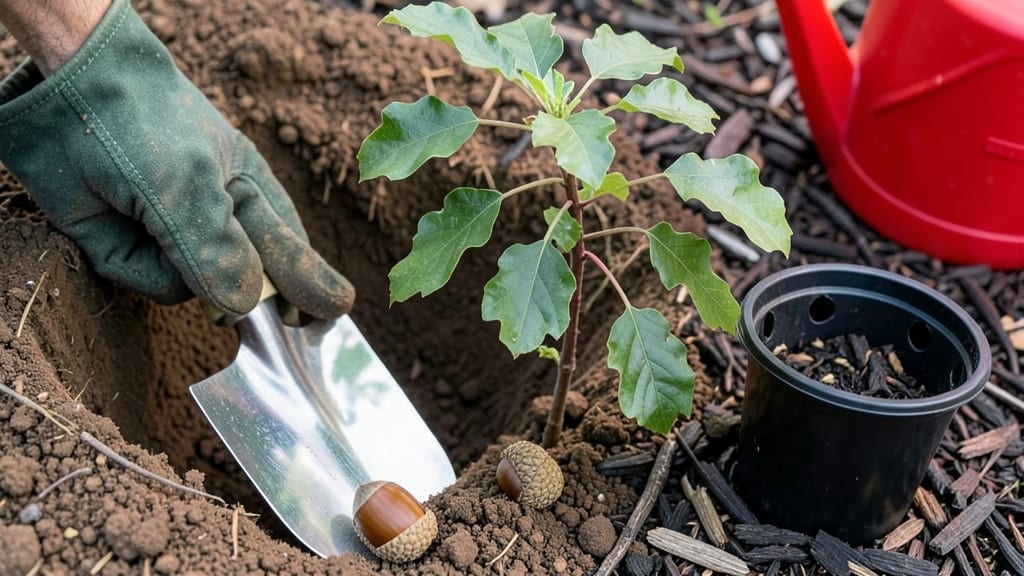
Planting an oak tree seed takes three months of cold stratification before you even plant it—no shortcuts, just nature’s timing. 🌰 I’ve watched acorns sprout into sturdy saplings after this process, and the patience pays off with a tree that could live for centuries.
The key isn’t rushing; it’s mimicking winter’s chill to break dormancy, then giving the tender sprout exactly what it needs to survive its first year.
You’ll need a few simple supplies: a large container for stratification, a well-draining soil mix, and a sunny spot with at least 6 hours of light daily. The soil should be loose and rich in organic matter—think of it as a cozy nest for your acorn.
Planting depth matters too: bury the seed twice its size deep, but don’t pack the soil too tightly. Water gently after planting, keeping it moist but never soggy, because oak seedlings hate wet feet.
Once the sprout emerges, you’ll see slow but steady growth—think 6-12 inches per year at first. The first year is critical: protect young seedlings from deer, rabbits, and harsh winds. By year three, you’ll have a 3-foot sapling that’s finally tough enough to handle a permanent spot.
The real magic happens after a decade, when roots spread deep and the tree starts casting shade.
This method works best in USDA Zones 4-9, where oak trees thrive naturally. For faster results, start with larger acorns from mature trees—they’ve got more energy stored. And remember: oak trees grow slow but steady, so give them space and time.
Your future shade tree is already sleeping in that acorn—now it’s time to wake it up.
📚 In This Guide
- What you need
- Instructions
- Tips and common mistakes
- Wrapping up and next steps
What you need
- ● Oak acorns (seeds): Fresh, mature acorns from Quercus species (e.g., red oak, white oak). Aim for 5–10 seeds to increase success rates.
- ● Cold-stratification supplies: Plastic bag or breathable container (e.g., ziplock or paper towel-lined box)
- ● Moistened peat moss or vermiculite (enough to fully surround seeds)
- ● Planting pots: Small, 3–4 inch pots with drainage holes (use 2–3 per seed for testing).
- ● Potting soil: Well-draining, seed-starting mix (avoid garden soil—it’s too dense!).
- ● Watering can or spray bottle (gentle watering is key!).
- ● Grow lights or sunny windowsill (oaks need bright light to thrive).
- ● Seedling heat mat (speeds up germination in cool climates).
- ● Fungicide (prevents damping-off in damp soil).
- ● Label markers (track planting dates and species).
- ● Transplant tray (for moving seedlings outdoors later).
- ● Garden gloves (acorns can stain hands!).
Step-by-step instructions for growing oak trees from seeds
Here's how I turn acorns into sturdy young oaks—no special tools needed, just patience.
🌱 Step 1: Collect and Prepare the Acorns
Gather acorns from healthy, mature oak trees in late fall or early winter. Look for plump, round nuts without cracks or holes—these are your best candidates. I like to collect them after they've fallen naturally, as they've already passed the squirrel test for quality. Store them in a breathable container like a paper bag or mesh sack in a cool, dry place until you're ready to stratify them.
Before planting, soak the acorns in lukewarm water for 24 hours. This softens the hard shell and kickstarts germination. After soaking, gently rub the shell between your fingers to create small cracks—just enough to let moisture in without damaging the seed inside. This step is crucial because oak seeds have incredibly hard shells that would otherwise take years to break down naturally.
❄️ Step 2: Cold-Stratify for 3 Months
Fill a container with a mix of moist sand and peat moss (equal parts) and place it in the refrigerator. The goal is to keep the mix damp but not soggy—think of a wrung-out sponge. Bury the acorns 2 inches deep in the mix, spacing them about 3 inches apart so they don't crowd each other. Label the container with the date and variety if you know it.
Leave the container in the fridge for 90 days. This cold stratification mimics winter conditions and breaks the seed's dormancy. You'll know it's working when you see tiny roots pushing through the shell after about 6-8 weeks. Check occasionally to ensure the mix stays moist—if it feels dry, spritz it lightly with water. Don't let it get waterlogged, or the seeds will rot.
🌿 Step 3: Plant the Stratified Acorns
After the 3-month stratification period, remove the acorns from the fridge and plant them in individual 4-inch pots filled with a well-draining potting mix. Press each acorn 1 inch deep into the soil, leaving the cracked side facing upward. This orientation helps the seedling emerge more easily. Water gently until the soil is moist but not saturated—you want the surface to look damp, not glistening.
Place the pots in a warm, bright spot with indirect light. A south-facing window works well, but avoid direct sunlight, which can overheat the soil. Keep the soil consistently moist by watering whenever the top inch feels dry to the touch. Germination can take 4-8 weeks, so be patient. You'll see the first true leaves appear as small, rounded cotyledons when the seedling is ready.
☀️ Step 4: Transplant and Care for Young Seedlings
Once the seedlings develop 3-4 sets of true leaves (about 6-12 months after planting), they're ready for their first transplant. Choose a spot in your garden with full sun and well-draining soil. Dig a hole twice as wide as the root ball but only as deep as the pot. Gently remove the seedling from its pot, loosen the roots if they're circling, and place it in the hole.
Backfill the hole with soil and water deeply to settle it around the roots. Mulch the area with 2-3 inches of organic mulch to retain moisture and protect the young root system. Oak seedlings are tough but slow-growing, so avoid overwatering—let the soil dry out slightly between waterings. In the first year, focus on protecting the seedling from pests and extreme weather rather than rapid growth.
⏰ Step 5: Monitor and Protect for Long-Term Growth
Young oak trees are vulnerable to deer, rabbits, and even curious pets, so protect them with a wire cage or tree guard during their first few years. Water deeply once a week during dry spells, but avoid overwatering, which can lead to root rot. You'll see steady growth in the form of new leaves and branches each spring, though oaks are famously slow—don't expect a mature tree overnight.
After 3-5 years, when the tree reaches about 6 feet tall, you can transplant it to its permanent location if needed. Keep an eye out for signs of stress, like yellowing leaves or stunted growth, which can indicate overwatering, poor soil, or pest issues. With patience and care, your cold-stratified acorn will grow into a majestic oak tree that provides shade and habitat for generations.
Tips & tricks for planting oak tree seeds
A few key insights that'll help you avoid common pitfalls and maximize your oak tree's potential from the very first acorn.
Seed Selection: When collecting acorns, prioritize those from white oak trees if you're in a region with deer pressure—they're less palatable to animals than red oak acorns. Look for nuts that are heavy for their size, as this indicates a well-developed seed inside. I've learned the hard way that cracked or shriveled acorns rarely sprout, no matter how carefully you follow the rest of the process.
Stratification Setup: For the 90-day cold stratification in Step 2, I recommend using a clear plastic container with a lid that has small ventilation holes. This lets you monitor moisture levels and root development without opening the container frequently. Place a small piece of cardboard or a mesh screen over the acorns to prevent them from floating to the surface when you check moisture—trust me, this saves frustration later.
Germination Timing: The 4-8 week germination window in Step 3 can feel like an eternity, especially when you're watching your seedling pots daily. To speed up the process slightly, place the pots on a seedling heat mat set to 65°F after planting. This mimics spring soil temperatures and can shave off a week or two without risking overheating. Just be prepared for the extra wait—the oak's natural slow growth starts from day one.
Transplanting Strategy: When your seedlings develop 3-4 sets of true leaves for their first transplant, harden them off by placing the pots outside in dappled shade for 2-3 hours daily during the week leading up to transplanting. This gradual adjustment prevents shock from the full sun and temperature swings. I've seen seedlings that looked perfect in pots wilt dramatically when moved directly to garden conditions without this step.
Pro Tips for Plant An Oak Tree Seed
- A few key insights that'll help you avoid common pitfalls and maximize your oak tree's potential from the very first acorn.
- Seed Selection: When collecting acorns, prioritize those from white oak trees if you're in a region with deer pressure—they're less palatable to animals than red oak acorns.
- Stratification Setup: For the 90-day cold stratification in Step 2, I recommend using a clear plastic container with a lid that has small ventilation holes.
Frequently asked questions
Got questions about growing oak trees from seeds? You’re not alone—these giants of the forest take patience and care! Here are answers to the most common queries to set you up for success.
How long does it take for an oak seed to sprout?
With cold stratification, oak acorns typically sprout in 3–6 months. Some may take longer, especially if the seed is old or stored improperly. Keep soil moist and warm (around 70°F) during germination to speed things up.
Do I have to cold-stratify oak seeds?
Yes! Oak seeds require cold stratification to break dormancy. Skipping this step often results in no germination. The good news? You can mimic winter by refrigerating seeds for 60–90 days before planting.
Can I plant an acorn directly in the ground?
While possible, direct planting has a lower success rate (often <10%). Cold-stratifying first boosts germination to 50–70%. If planting outdoors, choose a moist, shaded spot and bury the acorn 2–3 inches deep in fall for natural stratification.
Why aren’t my acorns sprouting?
Common culprits: old seeds (plant within 6 months of harvest), dry soil, or insufficient cold treatment. Check for mold (discard affected seeds) and ensure consistent moisture. If using store-bought seeds, verify freshness with the supplier.
What’s the best oak tree variety for beginners?
Start with white oak or red oak acorns—they’re hardier and faster-growing than bur or live oaks. Avoid black oak seeds, which often fail to germinate. Local nurseries may sell pre-stratified acorns for guaranteed results!
| Quick Fixes | Try This |
|---|---|
| Seed won’t sprout after stratification | Soak in lukewarm water for 24 hours, then replant. |
| Moldy acorns | Discard and use fresh seeds (or buy from a reputable seller). |
| Slow growth after sprouting | Transplant to a sunny spot with well-draining soil. |
Wrapping up and next steps
Planting an oak tree seed is a rewarding journey that blends patience with nature’s magic! 🌱 By following these steps—from cold stratification to nurturing your sprout—you’re not just growing a tree; you’re investing in a legacy. Remember, consistency is key: keep those seeds moist, monitor their progress, and trust the process.
Now that you’re ready to take action, why not share your excitement? Tag us in your planting photos or connect with fellow gardeners online. Your oak tree’s future starts today—happy planting! 🌳✨