
How To
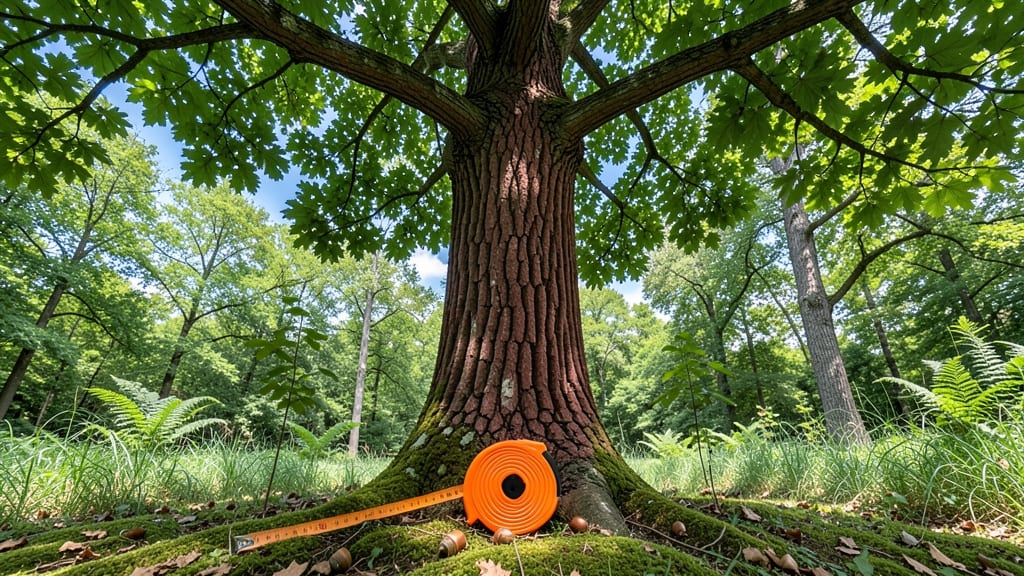
How tall does an oak tree grow? The answer varies widely, with heights ranging from 60 to over 100 feet depending on the species, as some varieties like white oaks reach skyscraper proportions while others stay more manageable.
If you’ve ever imagined a backyard towering with a majestic oak 🌳, the reality depends on the species you choose—some grow three times faster than others, and your soil or climate could push that growth even higher.
From the towering white oak to the slower-growing bur oak, each species has its own growth timeline, and where you plant it can make a 20-foot difference in mature height.
Here’s how to pick the right oak for your space, how to encourage (or limit) its growth, and the fastest ways to reach that dream canopy—without waiting decades.

Average oak tree heights by species: tallest to shortest growth comparison
Choosing the right oak tree for your landscape starts with understanding their mature height potential. Some species grow tall enough to rival city skylines, while others remain manageable for suburban backyards.
The white oak, for example, can reach 70-100 feet, making it a statement piece, while dwarf varieties like the chinquapin oak stay under 25 feet, perfect for small spaces. These differences aren’t just about aesthetics—they impact root spread, pruning needs, and even wildlife habitat.
Height isn’t the only factor—climate and soil quality play huge roles. A red oak in the humid Southeast might hit 80 feet, while the same species in a dry Western climate could max out at 60 feet.
Poor soil drainage can stunt growth by 20-30%, so testing your soil before planting is a game-changer. Let’s break down the top 10 oak species by height, from towering giants to compact cultivars, so you can pick the perfect fit for your space.
🌳 Pro Tip: Always check mature height and canopy spread together—some narrow oaks (like pin oak) grow tall but stay slim, while others (like bur oak) spread wider than they rise. This balance affects everything from power line clearance to garden layout.
| Species | Mature Height (ft) | Canopy Spread (ft) | Growth Rate (ft/year) | Best For |
|---|---|---|---|---|
| White Oak | 70–100 | 50–75 | 1–2 | Large estates, parks |
| Red Oak | 60–80 | 40–60 | 1.5–2.5 | Suburban yards, wildlife habitats |
| Bur Oak | 50–70 | 40–50 | 1–1.5 | Drought-prone areas, urban landscapes |
| Pin Oak | 40–60 | 30–40 | 2–3 | Small yards, narrow lots |
| Live Oak | 60–80 | 60–100 | 0.5–1.5 | Southern climates, shade trees |
| Chinquapin Oak | 25–35 | 20–30 | 1–1.5 | Small gardens, containers |
| Scarlet Oak | 50–70 | 30–40 | 1.5–2 | Wildlife gardens, open fields |
| Black Oak | 50–65 | 35–45 |
How fast oak trees grow: height growth rates by age and speciesOak trees are legendary for their longevity and grandeur, but their growth speed varies dramatically by species and life stage. As a gardener, knowing these rates helps you plan for shade, wildlife habitats, or even property boundaries. Young oak seedlings grow slowly—typically just 1-2 feet per year—while juvenile trees accelerate to 2-4 feet annually. Once mature, most oaks add minimal height, focusing energy on spreading their iconic canopies. Fast-growing species like pin oak or red oak can surge 3-5 feet per year in ideal conditions, while slow growers like live oak or white oak barely reach 1-2 feet annually. Your oak’s growth trajectory depends on soil quality, sunlight, and water availability—all factors you can influence as a gardener. 1
Seedling Stage (Years 1-5): 1-2 ft/year – Slow start due to root development. White oak and bur oak lead this phase.
2
Juvenile Stage (Years 6-20): 2-4 ft/year – Peak growth! Pin oak and red oak excel here, reaching 20-30 ft by age 20.
3
Mature Stage (Years 20+): 0-1 ft/year – Vertical growth slows as energy shifts to canopy expansion. Live oak may add just 1 ft every 5 years.
4
Fastest Growers: Pin oak (3-5 ft/year), red oak (2-4 ft/year). Ideal for quick shade solutions.
5
Slowest Growers: Live oak (1 ft/year), white oak (1-2 ft/year). Patience required for full potential.
Consider your pin oak planted as a sapling: by year 10, it could tower 25 feet—taller than most two-story homes! Meanwhile, a live oak might only reach 15 feet in the same time. This variance explains why some gardeners choose fast growers for instant shade, while others prefer slow growers for long-term stability. Climate plays a critical role. Oak trees in USDA Zone 7-9 (like live oak) grow slower due to warmer winters, while cooler zones (Zone 4-6) see faster growth in species like bur oak. Always check your local climate before planting—it’s the difference between a 60-foot giant and a 40-foot underachiever. Pro tip: Prune strategically in late winter to redirect energy upward during the growing season. Avoid heavy pruning on mature trees—it stresses them and can stunt future growth. For example, a red oak pruned annually might grow 10% faster than an unpruned counterpart. If you’re dreaming of a backyard oak, start small with a dwarf variety (like Chinese evergreen oak, which maxes out at 25 feet) or plan for a 100-foot specimen with ample space. Either way, your oak’s growth rate will shape your landscape for decades to come. 🌳 |