
Propagation
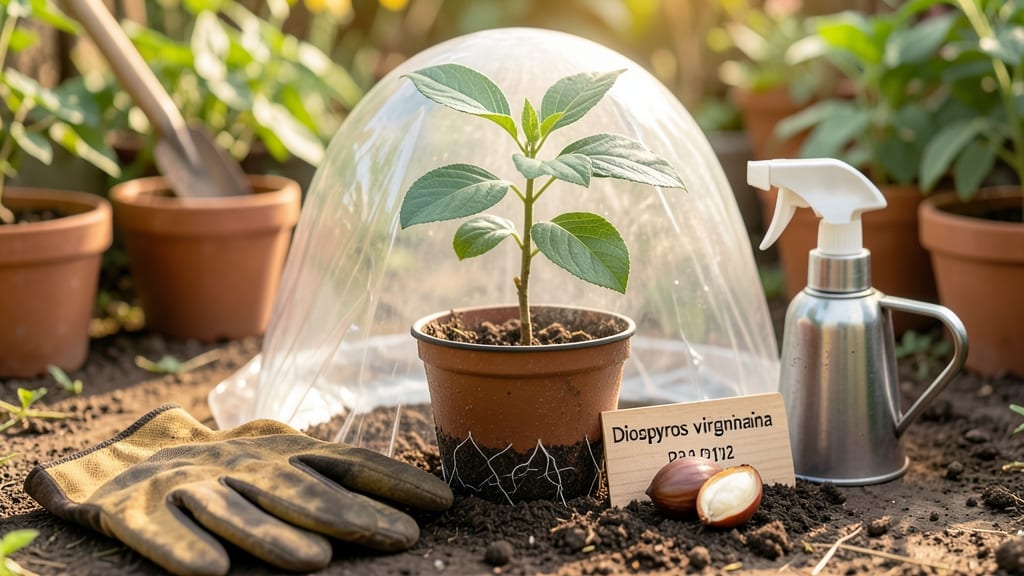
Starting a persimmon tree from seed is the ultimate slow-growth project—three years to fruit, but the reward is worth every wait. 🌱 The first step is picking a ripe, plump seed from a fresh persimmon (not the store-bought ones—they won’t germinate).
Once you’ve got your seed, the real magic happens in the soil prep and timing.
Here’s the secret: persimmon seeds need cold stratification—think of it as a winter nap. Plant them in moist potting mix, cover the pot, and refrigerate for 90 days before moving to warmth.
Without this step, seeds either rot or never sprout. I’ve tried skipping it, and trust me, you’ll end up with a sad, moldy mess.
By spring, you’ll see tiny green leaves pushing through the soil—seedlings grow fast once they break dormancy. Keep them in bright, indirect light and water when the top inch feels dry.
Within a year, you’ll have a sturdy sapling ready for transplanting outdoors, where it’ll spend the next two years building roots and branches.
Patience is key: most homegrown persimmons won’t fruit until year three, but the payoff is heirloom-quality fruit you won’t find in nurseries. If you’re eager for faster results, grafting onto a mature rootstock cuts that wait to just two years.
Either way, this project teaches you more about tree biology than any other.
Why Seeds Struggle to Grow
Growing a persimmon tree from seed can be a rewarding but sometimes frustrating journey. If your seeds aren’t sprouting—or your seedlings aren’t thriving—it’s often due to a mix of natural challenges. Understanding these roadblocks is the first step to overcoming them.
Let’s break down the most common reasons why persimmon seeds might fail to grow, and what’s really going on behind the scenes.
Persimmon seeds are often dormant, meaning they won’t sprout immediately even when conditions seem ideal. This isn’t laziness—it’s a survival strategy!
Many tree seeds, including those from persimmons (Diospyros species), rely on chemical dormancy (due to compounds like tannins) or physical dormancy (a hard seed coat that blocks water absorption).
- Chemical dormancy acts like a natural brake, preventing germination until the seed has undergone enough breakdown—usually through stratification (exposure to cold, mimicking winter) or scarification (damaging the seed coat).
- Physical dormancy is like wearing a waterproof jacket—until the seed coat cracks (naturally or artificially), water and oxygen can’t reach the embryo inside.
Actionable fix: Soak seeds in warm water for 24–48 hours or lightly sand the outer layer to encourage water uptake. For tougher seeds, stratify them in a damp paper towel in the fridge for 6–8 weeks before planting.
If you’ve planted persimmon seeds in warm soil without any cold exposure, they may simply wait—sometimes for months or even years—before germinating. This is especially true for astringent persimmons (like Diospyros virginiana), which often need a cold period to break dormancy.
- Why it matters: In the wild, seeds germinate in spring after surviving winter.
Without this cold trigger, the seed’s internal clock stays on "pause." - Signs it’s happening: Seeds planted in summer might sprout slowly or not at all, while those stratified in fall often shoot up within weeks of warming.
Actionable fix: Mimic winter by stratifying seeds in a moist medium (like peat moss) at 35–45°F (2–7°C) for 4–12 weeks before planting. For faster results, try alternating warm/cold cycles (e.g., 1 week at 70°F, then 2 weeks at 40°F).
Persimmon seeds are delicate when it comes to moisture. Too little water, and they won’t activate; too much, and they’ll rot before germinating. The ideal balance is consistently moist but not waterlogged—like a damp sponge, not a swamp.
- Too dry: Seeds shrivel or remain hard, unable to absorb water.
This is common if planted in dry soil or if the growing medium dries out between waterings. - Too wet: Oxygen is crowded out, leading to anaerobic conditions (like a sealed jar), which causes seeds to rot or develop mold.
Actionable fix:
- Use a well-draining mix (e.g., 50% peat moss, 30% perlite, 20% sand).
- Keep the soil evenly moist—stick your finger in 1 inch deep; if it’s dry, water lightly. A clear plastic dome (without sealing tightly) can help maintain humidity.
- Avoid overhead watering—direct streams can dislodge seeds or create anaerobic pockets.
Persimmon seeds are temperature-sensitive. If the soil is too hot (above 85°F/29°C), germination slows or stops. If it’s too cold (below 50°F/10°C), metabolic activity grinds to a halt.
- Hot soil issues: High temperatures can denature enzymes needed for germination, essentially "cooking" the seed’s growth signals.
- Cold soil issues: Below 50°F, the seed’s embryo stays dormant, waiting for warmth. This is why spring planting often works better than summer planting in warm climates.
Actionable fix:
- Ideal germination temp: 68–77°F (20–25°C). Use a seedling heat mat if your home runs cold.
- Avoid direct sunlight on seed trays—use indirect light or a grow light to prevent overheating.
- If planting outdoors, wait until soil temps stabilize above 60°F (15°C) in spring.
Even before your seed sprouts, pests and fungi can move in and sabotage germination.
Common culprits include: - Mold (Rhizopus, Fusarium): Thrives in overly wet conditions, smothering seeds. - Insects (fungus gnats, ants): Lay eggs in moist soil, and their larvae can eat seeds or disrupt root development. - Rodents or birds: May dig up freshly planted seeds, thinking they’re snacks.
Actionable fix:
- Sterilize soil with a 10-minute bake at 200°F (93°C) or use hydrogen peroxide (3%) to kill fungi.
- Add diatomaceous earth to soil to deter insects.
- Plant seeds deeper (½ inch) to protect them from surface-dwelling pests.
- Use fine mesh over trays if birds are a problem.
Not all persimmons produce viable seeds. If the fruit was overripe, underripe, or diseased, the seeds inside may be non-viable or weak.
- Old seeds: Persimmon seeds lose viability quickly—fresh seeds (less than 1 year old) germinate best.
- Damaged seeds: If the seed coat is cracked or the embryo is compromised (e.g., from a rotting fruit), it won’t grow.
- Hybrid or sterile seeds: Some persimmons (especially grafted varieties) produce non-viable seeds because they’re bred for fruit, not reproduction.
Actionable fix:
- Use fresh seeds from healthy, fully ripe persimmons (they should be soft and slightly mushy when ripe).
- Test floatation: Drop seeds in water—viable seeds sink; floaters are likely empty.
- Choose open-pollinated varieties (like Diospyros kaki or Diospyros virginiana) for better seed success.
Some gardeners assume seeds need light to germinate, but persimmon seeds actually prefer darkness. Planting them too shallow or in clear containers can trick them into waiting for the "right" conditions.
- Too much light: Can cause seeds to dry out or develop weak, leggy sprouts.
- Shallow planting: If seeds aren’t buried ½ inch deep, they may not sense the security of soil and hesitate to grow.
- Clear containers: Transparent trays can overheat seeds or expose them to too much light.
Actionable fix:
- Plant seeds ½ inch deep in opaque containers (like peat pots or small plastic cells).
- Cover trays with a dark cloth until sprouts appear (then remove for light).
- Use a humidity dome (without sealing tightly) to keep conditions stable.
Finally, some persimmon seeds are slow germinators—not because of poor care, but because of their genetic makeup. Certain varieties (like Diospyros lotus) can take weeks to months to sprout, even under perfect conditions.
- Why it happens: Some species have deep dormancy cycles or slow metabolic rates.
- Signs it’s normal: If other seeds in the same batch sprout but yours don’t, wait at least 3 months before declaring them failed.
Actionable fix:
- Be patient—keep soil moist and warm, and check weekly.
- Label seeds by variety to track which types germinate fastest.
- Try the "paper towel method" for stubborn seeds: Sandwich them between damp paper towels in a sealed bag at 70°F (21°C) for up to 6 weeks.
Fixing Common Growing Mistakes
Growing a persimmon tree from seed is a rewarding but delicate process, and even experienced gardeners can run into hiccups. Below, we’ve mapped out the most common issues—from slow germination to weak seedlings—and provided practical, step-by-step fixes to keep your persimmon tree thriving.
Prevention tips are included to help you avoid these challenges in the first place!
Why it happens: Persimmon seeds often struggle with dormancy, poor moisture, or improper stratification. Cold stratification (mimicking winter) is critical, but if skipped, seeds may rot or stay dormant for months.
How to Fix It ✅ Step 1: Verify Stratification 🥶
- If you skipped cold treatment, place seeds in a damp paper towel inside a sealed plastic bag.
- Store in the fridge (34–40°F / 1–4°C) for 6–8 weeks before planting.
- Pro tip: 💡 Test for viability—soak seeds in water for 24 hours.
Sinkers are good; floaters are dead.
✅ Step 2: Optimize Planting Conditions 🌱
- Plant seeds ½-inch deep in a moist, well-draining mix (50% potting soil + 50% perlite/sand).
- Keep soil consistently moist (not soggy) under clear plastic wrap or a humidity dome.
- Place in indirect sunlight (a sunny windowsill or grow light) at 70–75°F (21–24°C).
✅ Step 3: Be Patient (But Not Too Patient) ⏳
- Germination can take 4–12 weeks. If nothing sprouts after 3 months, the seeds may be non-viable.
- Prevention: 🌡️ Use fresh seeds—persimmon seeds lose viability quickly (plant within 1–2 weeks of harvest).
Why it happens: Overcrowding, poor light, or nutrient deficiencies cause spindly, weak stems that snap easily. Persimmon seedlings need strong light and space to develop sturdy roots and branches.
How to Fix It
✅ Step 1: Thin Seedlings Early 🌱
- Once 2–3 true leaves appear, thin seedlings to 4–6 inches apart in the same pot or transplant to individual containers.
- Pro tip: 🎯 Use a dibble tool to avoid damaging roots when separating seedlings.
✅ Step 2: Boost Light Exposure ☀️
- Move seedlings to a south-facing window or under grow lights (12–14 hours/day).
- If outdoors, harden off gradually (acclimate to sun over 1–2 weeks) to prevent shock.
- Prevention: ✨ Avoid overwatering—soggy soil leads to fungal issues like damping-off.
✅ Step 3: Fertilize Lightly 🌱
- Wait until seedlings have 4–6 leaves before fertilizing with a balanced, water-soluble fertilizer (5-5-5 or 10-10-10) at ¼ strength.
- Warning: 🚫 Never fertilize newly sprouted seeds—it burns tender roots!
Why it happens: Persimmon seedlings are prone to damping-off (a fungal disease causing stem rot) or powdery mildew if humidity is too high or airflow is poor.
How to Fix It
✅ Step 1: Isolate Affected Seedlings 🛑
- Remove mushy stems or yellowing leaves immediately and discard (don’t compost).
- Pro tip: 🔥 Sterilize tools with rubbing alcohol between plants to prevent spread.
✅ Step 2: Improve Airflow & Reduce Humidity 🌬️
- Space seedlings 2–3 inches apart and use a small fan on low setting (24/7) to circulate air.
- Remove plastic domes once seedlings sprout to prevent excess moisture.
- Prevention: 💡 Water at the base (avoid overhead spraying) and use sterilized potting mix.
✅ Step 3: Treat Fungus Naturally 🌿 - Baking soda spray: Mix 1 tsp baking soda + 1 quart water + a drop of dish soap.
Spray leaves every 7–10 days. - Neem oil (1%): Apply as a preventative spray every 2 weeks (follow label instructions). - For severe cases: 🚨 Use copper fungicide (last resort—follow package directions).
Why it happens: Persimmon trees are tender as seedlings—sudden temperature drops below 32°F (0°C) or heatwaves above 90°F (32°C) can kill them.
How to Fix It
✅ Step 1: Protect from Cold Snaps ❄️
- Move pots to a garage or unheated shed if temps drop below 40°F (4°C).
- Cover with frost cloth if outdoor overnight temps fall below 35°F (2°C).
- Prevention: 🌡️ Wait until spring (after last frost) to transplant seedlings outdoors.
✅ Step 2: Shield from Scorching Sun 🔥
- Acclimate seedlings to full sun over 10–14 days (start with 2–3 hours/day).
- Provide shade cloth (30–50%) if temps exceed 85°F (29°C).
- Pro tip: 💦 Water deeply in the morning to reduce heat stress.
✅ Step 3: Monitor Soil Temperature 🌱
- Ideal soil temp for growth: 60–75°F (15–24°C).
- Use a soil thermometer—if below 50°F (10°C), delay outdoor planting.
Once your seedlings are thriving, keep them healthy with these pro tips: - Prune in late winter to remove weak branches and encourage a strong structure. - Mulch heavily (3–4 inches of organic mulch) to retain moisture and regulate soil temp. - Test soil pH (persimmons prefer 6.0–7.0).
Amend with lime if too acidic. - Watch for pests (aphids, scale)—treat with insecticidal soap if needed.
By addressing these common issues early and proactively, your persimmon seedlings will grow into vigorous, fruit-bearing trees in no time. 🍊🌳 Happy growing!
Frequently asked questions
How do I know if my persimmon seeds are viable?
Test viability by placing seeds in a glass of water. Viable seeds sink within 24 hours, while floaters are non-viable. For extra assurance, gently rub the seed coat with sandpaper to encourage water absorption before planting. Fresh seeds from fully ripe fruit have the highest success rate.
Can I grow a persimmon tree from store-bought fruit?
Store-bought persimmons are often hybrids bred for shelf life, not reproduction. Their seeds may be sterile or non-viable. For best results, use seeds from fresh, open-pollinated persimmons grown in your region. Look for varieties like Diospyros virginiana or Diospyros kaki.
How long does it take for a seed-grown persimmon to bear fruit?
Expect to wait 3–5 years for fruit production, depending on variety and growing conditions. The first year focuses on root development, years two and three build the canopy, and year four may produce small, immature fruit. Patience pays off with heirloom-quality persimmons!
What's the fastest way to get fruit if I'm impatient?
Grafting is your best shortcut. Buy a 1–2 year old persimmon sapling and graft compatible scions onto it. This reduces the wait to just 2 years for fruit. Alternatively, purchase a mature tree from a nursery for instant results, though it won't have your seed's unique genetic traits.
Can I grow persimmons in containers?
Yes, but choose dwarf varieties like Diospyros lotus and use a 20-gallon container with excellent drainage. Persimmons need deep roots, so repot every 2–3 years. Place in full sun and water when the top 2 inches of soil dry out. Container-grown trees may fruit slightly later than ground-planted ones.