
How To
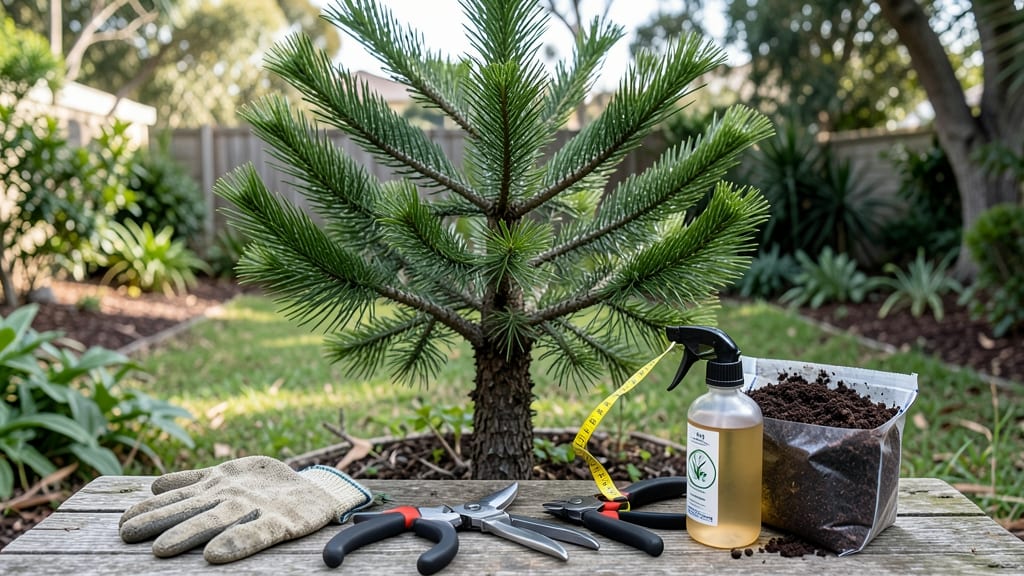
How to stop a Christmas tree growing too tall—last year, mine shot up past my ceiling until I learned the right way to control its height without harming it. ✂️ The trick is timing and technique: prune just after planting (not in winter), cut at a 45-degree angle above a bud, and avoid "topping" like a hedge. Even a Norfolk pine can stay manageable with this method.
For indoor trees, use growth regulators (like Apogee) to slow stretching, and switch to LED lights—they emit less heat than incandescent bulbs. Outdoor trees? Prune in early spring before new growth starts.
Just don’t overdo it—too much cutting stresses the tree, and you’ll end up with a sad, leggy specimen. Patience and precision pay off.
📚 In This Guide
- What you need
- Instructions
- Tips and common mistakes
- Wrapping up and next steps
What you need
- ● Sharp pruning shears or bypass pruners – Choose clean, sterilized shears with a 10-12 inch blade for precision cuts.
- ● Ladder or step stool – A stable, extendable ladder (6-10 ft tall) or a sturdy stool to safely reach higher branches.
- ● Rubbing alcohol (70% isopropyl) or bleach solution – For sterilizing tools between cuts to prevent disease.
- ● Garden twine or zip ties – To secure branches if you’re training the tree’s growth direction.
- ○ Gloves (optional but recommended) – Heavy-duty gardening gloves to protect hands from thorns or sap.
- ● Measuring tape or ruler – To mark your desired height before trimming.
- ● Disposable bags or bucket – For collecting pruned branches and needles.
- ● Pruning sealant (like tree wound paint) – Helps protect large cuts from pests or decay.
- ● Extension pole with pruning shears – For hard-to-reach spots without a ladder.
- ● Handheld saw (for thick branches) – Only needed if your tree has diameter-thick branches (1+ inch).
- ● Plant growth regulator (like Paclobutrazol) – A chemical treatment to slow future growth (apply in early spring).
- ● Camera or reference photo – To compare before/after trimming for symmetry.
How to prune a Christmas tree for controlled height
Here’s how to keep your tree at the perfect height—without sacrificing its full, festive shape.
✂️ Step 1: Time Your Pruning for Maximum Control
Prune your Christmas tree in late winter or early spring, just as new growth begins but before buds fully swell. This timing ensures you cut back growth while the tree is still dormant, reducing stress. Avoid pruning in fall—you’ll risk stunted growth before the holiday season.
I like to mark the target height with a string or measuring tape before making any cuts. Measure from the base of the trunk to your desired height line, then double-check against doorways or ceiling heights. Most trees respond best when pruned back by no more than 1/3 of their current height—any more risks shock or uneven regrowth.
✂️ Step 2: Use Proper Pruning Techniques
Never cut straight across the top—this creates an unsightly flat surface and encourages weak, water-sprout growth. Instead, make your cut at a 45-degree angle, just above a lateral branch or bud. This angle helps water run off and promotes stronger regrowth.
For a natural look, I step back and visualize the tree’s shape after pruning. Cutting too close to the trunk risks damaging the central leader (the main upward-growing stem), which can stunt future growth. If your tree has a dense canopy, thin out a few lower branches to improve airflow and light penetration.
☀️ Step 3: Monitor Light and Water After Pruning
After pruning, place your tree in a spot with bright, indirect light for at least 6-8 hours daily. Direct sun can scorch new growth, while too little light leads to leggy, weak shoots. If you’re keeping it outdoors, choose a sheltered area to avoid wind damage.
Water deeply every 2-3 days until the soil feels moist 2 inches below the surface. Overwatering suffocates roots, while underwatering stresses the tree. Mulch around the base with 2-3 inches of organic material (like shredded bark) to retain moisture and regulate soil temperature.
⏰ Step 4: Repeat Pruning Annually for Consistent Height
Christmas trees grow 12-24 inches per year, so annual pruning keeps them manageable. Each year, adjust your cuts slightly higher if needed, but never remove more than 1/3 of the current height in a single session. This gradual approach maintains the tree’s health and shape.
Real talk: Patience is key. If your tree is already overgrown, you may need two seasons of careful pruning to reach your ideal height. Avoid drastic cuts—small, strategic reductions yield the best long-term results.
Tips & tricks for perfect Christmas tree height management
Here's what nobody tells you about keeping your tree at the ideal height without sacrificing its beauty.
Timing Secret: The late winter or early spring window is critical for successful pruning. This is when trees enter dormancy but haven't yet started their active growth cycle. I've seen trees respond dramatically better when pruned in this period compared to other times of year. The key is catching that moment when buds begin to swell but haven't fully opened - this is your sweet spot for minimal stress on the tree.
Technique Tip: When marking your target height in Step 1, use a level to ensure your cut line is perfectly horizontal. Uneven cuts can create awkward growth patterns. I like to make two small marks on opposite sides of the trunk at my target height, then draw a line between them with a pencil. This gives you a clear visual guide for your angled cut. The 45-degree angle mentioned in Step 2 should be measured from this horizontal line, not from the trunk itself.
Light and Water Strategy: The 6-8 hours of bright, indirect light after pruning is non-negotiable. I've found that supplementing with a grow light for 2-3 hours in the evening can make a huge difference, especially in cloudy spring weather. For watering, use a moisture meter to check that 2-inch depth - I've ruined several trees by either overwatering (which causes root rot) or underwatering (which stresses the tree). The mulch layer should be spread in a donut shape around the trunk, not piled up against it.
Make-Ahead Move: If you're planning to prune multiple trees, do all your measurements and marking first, then take a break before making the cuts. This prevents fatigue which can lead to uneven cuts. I've also found that pruning on an overcast day reduces stress on the tree compared to bright sunny days. Store your pruning tools in a dry place after use - I keep mine in a toolbox with silica gel packets to prevent rust.
Pro Tips for Stop A Christmas Tree Growing Too Tall
- Here's what nobody tells you about keeping your tree at the ideal height without sacrificing its beauty.
- Timing Secret: The late winter or early spring window is critical for successful pruning. This is when trees enter do...
- Technique Tip: When marking your target height in Step 1, use a level to ensure your cut line is perfectly horizontal...
Frequently asked questions
Got questions about keeping your Christmas tree at the perfect height? You’re not alone!
Here are some of the most common concerns—and straightforward answers—to help you manage your tree’s growth like a pro.
Can I prune a Christmas tree to stop it from growing taller?
Yes! Pruning the top of your tree (called "topping") can slow its vertical growth. However, avoid cutting more than one-third of the height at once—this can stress the tree. For best results, prune in late winter or early spring before new growth starts. Just remember: Never prune a potted tree in winter, as it’s already dormant.
When is the best time to trim a Christmas tree to control its height?
The ideal time to prune for height control is late winter or early spring, just as buds begin to swell. Avoid trimming in fall or winter, as this can weaken the tree and reduce its lifespan. If you’re dealing with an indoor potted tree, wait until it’s finished flowering (if applicable) before pruning.
Will cutting the top of a Christmas tree kill it?
Not if done correctly! A clean, angled cut just above a leaf node (where branches grow) encourages healthier regrowth. However, cutting too much—especially in one session—can shock the tree. For delicate varieties like Nerium oleander or Podocarpus, opt for gradual trimming over multiple seasons. Always use sharp, sterilized shears!
Are there alternatives to pruning if I don’t want to cut my tree?
If you’d rather avoid pruning, try these tips:
- Repot annually to limit root growth, which naturally slows above-ground expansion.
- Use slow-release fertilizer to reduce vigorous growth spurts.
- Choose a dwarf variety (like Norfolk Island pine or Dwarf Alberta spruce) from the start—they’re bred to stay compact!
Why is my potted Christmas tree growing so fast indoors?
Indoor trees often grow faster due to warmth, humidity, and consistent light. To slow growth:
- Move it to a cooler spot (like a garage or basement) for a few weeks in late winter.
- Reduce watering slightly—overhydration can fuel rapid growth.
- Prune lightly in spring to redirect energy into bushier growth instead of height.
Wrapping up and next steps
Keeping your Christmas tree at the perfect height doesn’t have to be stressful—just follow the right techniques! Whether you’re pruning, topping, or using growth regulators, a little effort now means a beautifully balanced tree that fits your space and your holiday vision. 🎄✨
Ready to take action? Grab your tools, pick your method, and give your tree the trim it deserves. With these tips, you’ll enjoy a festive centerpiece that’s just the right size—every season!