
How To
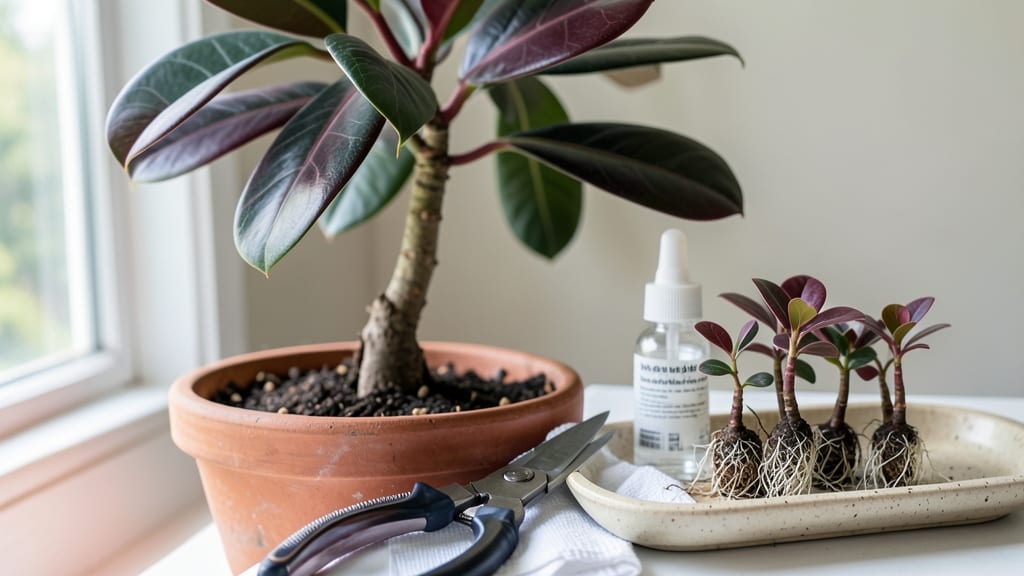
If you're wondering how to stop your rubber tree growing too tall, the solution isn’t harsh pruning—it’s strategic cuts that encourage fuller, bushier growth while keeping the height in check. I’ve turned my once-lanky rubber tree into a compact, vibrant centerpiece using these simple techniques.
Start by cutting just above a leaf node (where leaves attach) to redirect energy toward side branches. Use clean, sharp pruners to avoid damaging the stem, and don’t trim more than one-third of the plant at once—this prevents shock.
For extra control, pinch back new growth tips in early spring to slow elongation and promote denser foliage. The result? A rubber tree that stays at your desired height while looking fuller and healthier than ever.
📚 In This Guide
- What you need
- Instructions
- Tips and common mistakes
- Wrapping up and next steps
What you need
- ● Sharp bypass pruners – Choose a pair with clean, bypass blades (avoid anvil pruners to prevent crushing stems). Size recommendation: 6-8 inches for medium-sized branches.
- ● Sterilized pruning shears or loppers – For thicker branches (½ inch or larger). Quantity: 1 pair (sterilize with rubbing alcohol before/after use).
- ● Rubbing alcohol (70% isopropyl) or hydrogen peroxide (3%) – Purpose: Sterilizing tools to prevent disease spread. Quantity: Small bottle (4 oz).
- ● Garden gloves – Type: Heavy-duty, cut-resistant (e.g., nitrile-coated). Purpose: Protects hands from sap and sharp edges.
- ○ Pruning saw (optional but helpful) – For very thick branches (1+ inch diameter). Type: Fine-toothed saw for clean cuts.
- ● Ladder or step stool – Height requirement: Reaches at least 8 feet (adjust based on tree height). Safety note: Use a stable, non-slip model.
- ● Newspaper or drop cloth – Size: Large enough to cover your workspace (e.g., 3x4 feet). Purpose: Catches sap and debris.
- ○ Sealing wax or pruning paste – Quantity: Small tube (2 oz). Purpose: Optional but helps wounds heal faster on large cuts.
- ● Disposable pruning bag – Collects trimmings for composting or disposal.
- ● Plant food or fertilizer – Type: Balanced liquid fertilizer (e.g., 10-10-10). Purpose: Revitalizes the tree post-pruning.
- ● Spray bottle with water – Keeps leaves damp during trimming to reduce stress.
- ● Camera or phone – Document the tree’s shape before trimming for reference!
Instructions for managing rubber tree height through strategic trimming
Here's how I've learned to control rubber tree growth without harming the plant's health.
Identify the Right Time to Trim
Spring is the ideal time to trim your rubber tree, just as new growth begins. You'll notice fresh, bright green leaves emerging from the stems—this is your signal that the plant is entering active growth mode. Avoid trimming in fall or winter when the plant is dormant, as this can stress the tree and lead to slow recovery.
If you missed spring, you can still trim in early summer, but be mindful not to cut back too aggressively. The goal is to shape the tree gradually, not shock it with drastic changes. I like to wait until the tree has at least three sets of mature leaves before trimming, as this ensures the plant has enough energy to recover.
Gather the Right Tools
Use sharp, clean pruning shears or a pruning saw for thicker branches. Dull tools can crush stems and leave jagged cuts that invite disease. Before you start, sterilize your tools with rubbing alcohol or a 10% bleach solution to prevent spreading any pathogens between cuts. I always wipe down the blades after each cut to keep everything sanitary.
Have a small bucket or bag ready to collect trimmings. This keeps your workspace tidy and makes it easier to dispose of or compost the cuttings. Rubber tree leaves contain a milky sap that can irritate skin, so wear gloves if you're sensitive to it. The sap also dries quickly, so work in a well-ventilated area to avoid inhaling any fumes.
Determine Where to Make Cuts
To control height, focus on the topmost leaves and stems. Look for a leaf node—this is where a leaf meets the stem—and make your cut just above it at a 45-degree angle. This angle helps water run off the cut, reducing the risk of rot. Avoid cutting too close to the trunk, as this can damage the tree's vascular system and leave unsightly stubs.
If you're aiming for a bushier tree, trim back some of the taller branches to encourage lateral growth. You'll see new shoots forming below the cut within a few weeks. For a more formal look, trim the top branches evenly to create a flat or rounded canopy. The key is to step back occasionally and visualize the tree's shape—this helps you make balanced cuts.
Trim Gradually and Monitor Growth
Never remove more than one-third of the tree's foliage in a single session. This rule prevents stress and allows the rubber tree to recover without struggling. After trimming, place the tree in a bright, indirect light spot and water it thoroughly. You'll notice new growth emerging from the leaf nodes below your cuts within 4-6 weeks.
Keep an eye on the tree's response over the next few months. If it looks stressed—yellowing leaves, wilting, or slow growth—you may have trimmed too much. In this case, reduce watering slightly and provide extra humidity with a pebble tray or occasional misting. A healthy rubber tree will bounce back with proper care, but patience is key during recovery.
Maintain the Tree's Shape Over Time
Rubber trees grow quickly, so plan to trim them every 6-12 months to maintain your desired height. Light touch-ups between major trims keep the tree looking neat without overstressing it. For example, if you notice a branch growing too long or out of place, trim it back to a leaf node as soon as you spot it.
Rotate the tree occasionally to ensure even growth. Rubber trees tend to grow toward light sources, so turning the pot a quarter turn every few weeks encourages balanced, symmetrical growth. This small habit saves you from having to do more aggressive trimming later. With consistent care, your rubber tree will stay at a manageable height while thriving indoors.
Tips & tricks for managing rubber tree growth
These simple strategies will help you maintain your rubber tree's height without stressing the plant.
Timing is Everything: Spring is your best window for trimming because that's when your rubber tree enters active growth mode. Look for those fresh, bright green leaves emerging—this tells you it's ready for shaping. If you miss spring, early summer works too, but avoid fall and winter when the tree is dormant. I've learned the hard way that trimming during dormancy can shock the plant and slow its recovery.
The Tool Factor: Sharp, clean tools make all the difference. I can't stress enough how important it is to sterilize your pruning shears between cuts—just a few seconds with rubbing alcohol prevents disease spread. The milky sap from rubber tree leaves can also irritate skin, so gloves are a good idea if you're sensitive. Pro tip: Wipe down your tools after each cut to maintain cleanliness throughout the process.
Precision Cuts Matter: When you're ready to trim, focus on making clean cuts just above a leaf node at a 45-degree angle. This angle helps water run off the cut, reducing rot risk. I always step back and visualize the tree's shape before making cuts—this helps me make balanced decisions. Remember, you're not just controlling height; you're shaping the tree's future growth pattern.
Gradual Approach: Never remove more than one-third of the foliage in a single session. This rule prevents stress and allows the tree to recover properly. After trimming, place your tree in bright, indirect light and water thoroughly. You'll start seeing new growth emerge from those leaf nodes below your cuts within 4-6 weeks. Patience is key—rushing the process can lead to stressed plants that take much longer to recover.
Pro Tips for Stop Rubber Tree Growing Too Tall
- These simple strategies will help you maintain your rubber tree's height without stressing the plant.
- Timing is Everything: Spring is your best window for trimming because that's when your rubber tree enters active growth mode.
- The Tool Factor: Sharp, clean tools make all the difference.
Frequently asked questions
Got questions about managing your rubber tree’s height? You’re not alone!
Here are answers to the most common concerns—so you can keep your plant lush and under control.
How often should I trim my rubber tree to keep it from growing too tall?
Trim your rubber tree once a year during spring or early summer (its active growing season). For faster growth control, you can do a light prune every 6–8 months. Avoid heavy trimming in fall/winter—it stresses the plant.
Will trimming my rubber tree stunt its growth permanently?
No—trimming doesn’t permanently stunt growth, but it does encourage a bushier shape. Regular pruning (especially at the top) slows vertical growth by redirecting energy to lateral branches. Think of it like a haircut: shorter hair grows back, but it stays manageable!
Can I use regular scissors or do I need special pruning shears?
For small branches (<½ inch thick), clean bypass pruners or sharp scissors work fine. For thicker stems, invest in bypass shears (avoid anvil shears—they crush stems). Sterilize tools with rubbing alcohol to prevent disease.
What if my rubber tree keeps growing tall even after trimming?
If it’s still shooting up, you might be pruning too late (fall/winter) or not cutting back enough. Try:
- Trimming 1/3 of the top growth in spring.
- Pinching back new shoots early.
- Repotting in a smaller container to limit root growth (which fuels height).
Is there a way to stop my rubber tree from growing tall without cutting it?
While pruning is the most effective method, you can slow growth naturally by:
- Moving it to lower light (but not dark—it needs indirect light).
- Reducing water slightly (overwatering = faster growth).
- Using a growth regulator (like diluted seaweed extract) sparingly.
Wrapping up and next steps
Managing your rubber tree’s height doesn’t have to be overwhelming—with the right techniques, you can keep it lush and under control while promoting healthier growth.
Remember, consistency is key: regular pruning, proper tools, and a little patience will transform your towering tree into a manageable, beautiful addition to your space. 🌿
Now that you’re armed with the know-how, take action! Grab your pruning shears and give your rubber tree the care it deserves. Start small, observe how it responds, and adjust as needed—your green thumb is closer than you think! 🌟