
Diseases
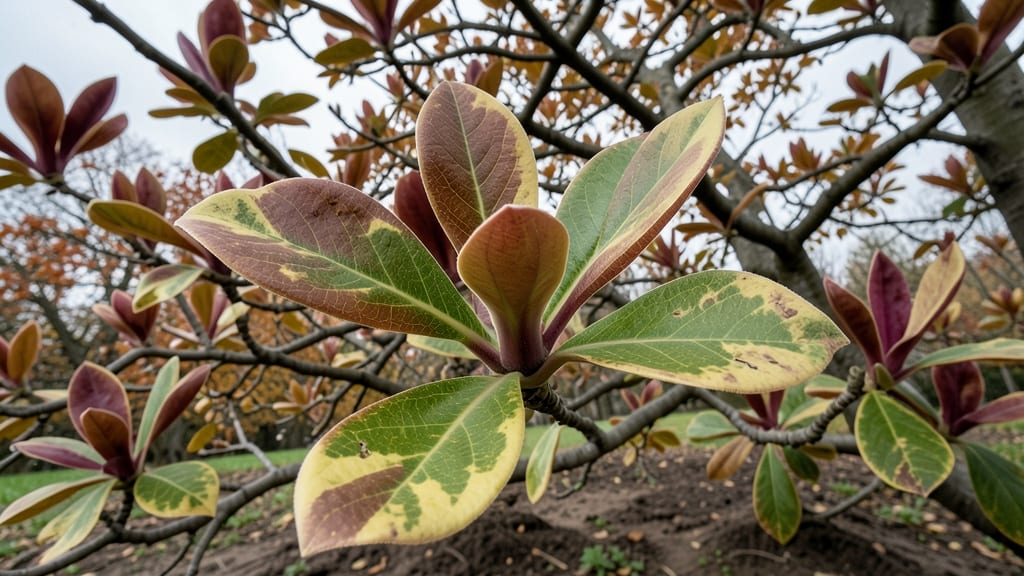
Fall transforms magnolia leaves into a stunning display of color—but also signals potential diseases. Learn to identify these 10 distinct leaf patterns and act early to protect your tree’s health before winter.
Classic Yellow-Green Fall Foliage
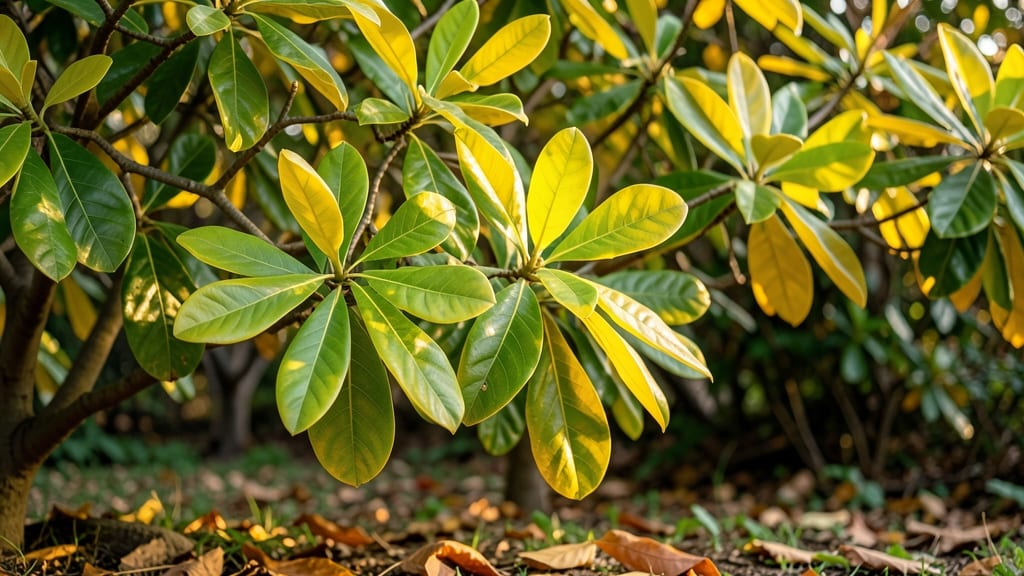
When your magnolia tree sports bright yellow-green foliage in fall, it’s nature’s way of showing you’re doing something right! This vibrant hue—especially in Magnolia grandiflora—is a hallmark of a healthy tree, but any browning or spotting means it’s time to investigate.
Healthy leaves should remain crisp and free of blemishes, while disease-prone varieties like Magnolia grandiflora are particularly sensitive to stress. Check for uneven coloration or small dark spots, which could signal early fungal infections or nutrient deficiencies. Act fast by pruning affected leaves and adjusting care routines to prevent spread.
This early warning system is a game-changer for gardeners in humid climates—where fungal diseases thrive. Keep an eye out, and you’ll catch issues before they become winter threats. 🌱
Brown Spots on Magnolia Leaves
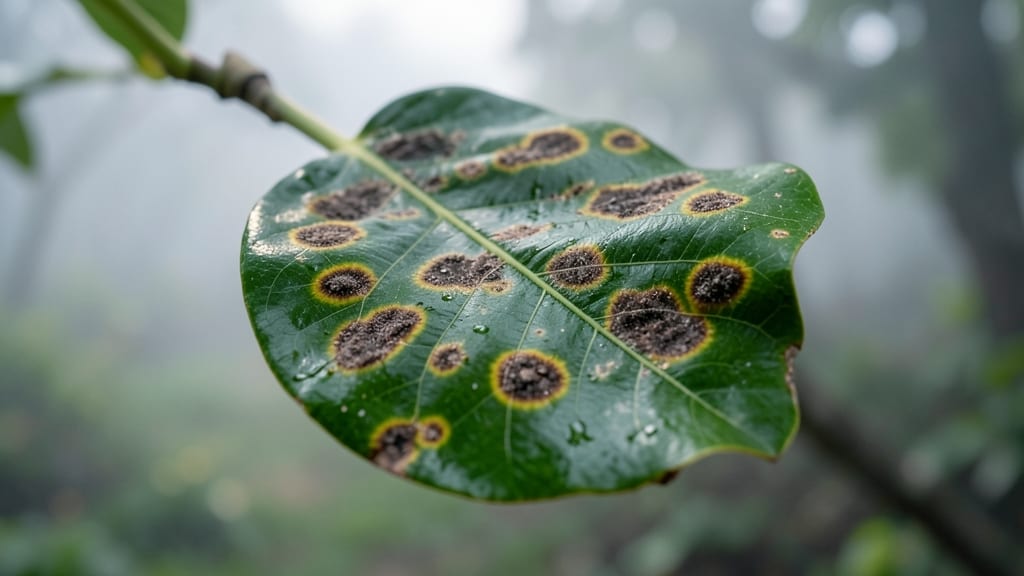
Those mysterious brown spots on your magnolia leaves aren’t just unsightly—they’re often a red flag for anthracnose, a fungal infection that thrives in humid climates. Unlike environmental stress, which causes uniform browning, anthracnose creates irregular, dark patches with yellow halos, often appearing in wet seasons.
To confirm the issue, check for spots on the upper leaf surface and look for premature leaf drop. Prune infected leaves immediately and avoid overhead watering to reduce humidity around the tree. For severe cases, apply a copper fungicide in early spring before spores spread.
This problem hits gardeners in southeastern U.S. states hardest, but even northern growers should watch for it after rainy spells. Early action prevents the fungus from weakening your tree’s winter resilience. 🌿
Curling and Distorted Leaf Edges
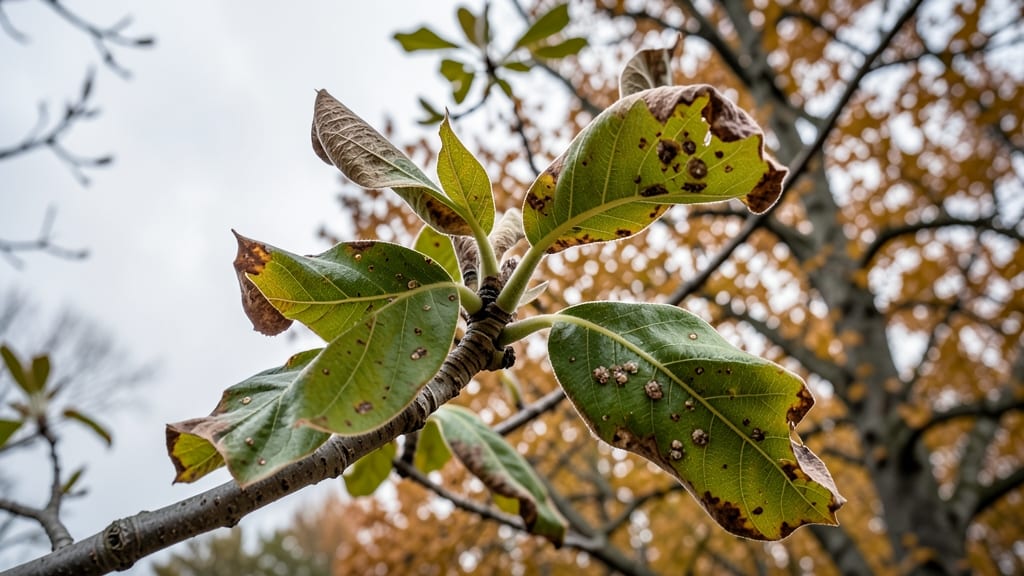
When your magnolia tree leaves start curling inward like a wave or upward at the edges, it’s not just an odd quirk—it’s a red flag for serious pests or disease. Unlike the natural fall color shifts, this distortion often signals magnolia scale infestation or bacterial leaf spot, both of which can spread rapidly if left unchecked.
Start by examining the undersides of leaves for tiny, waxy scale insects or sticky residue (a sign of sap-sucking pests). For bacterial leaf spot, look for water-soaked spots that eventually turn brown and crispy. Prune affected leaves immediately, sterilizing your tools with rubbing alcohol between cuts to prevent cross-contamination. Follow up with a targeted treatment: horticultural oil for scale or a copper-based fungicide for bacterial infections.
This issue is especially critical for gardeners in humid climates or those with mature magnolias, where pests thrive. Early action can save your tree from decline and ensure it thrives next season. 💚
Blackened Leaf Tips and Margins
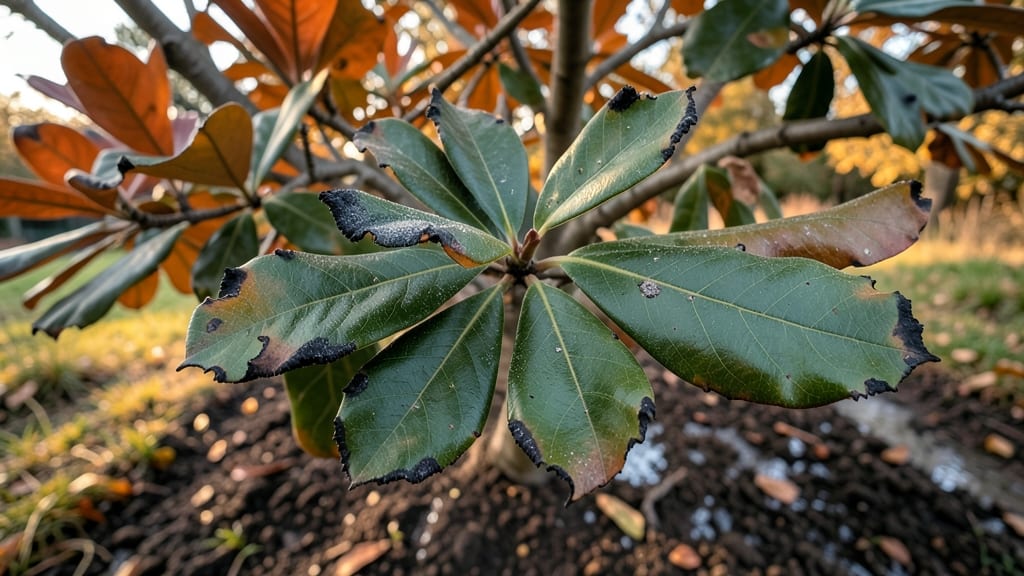
Seeing crispy, blackened edges on your magnolia leaves? This isn’t just fall stress—it’s often a sign of nutrient burn or magnolia leaf blight, two issues that thrive in over-fertilized or poorly drained soils. Unlike healthy autumn color shifts, these blackened tips are a red flag that your tree’s roots are struggling with excess salts or fungal activity.
To fix this, start by pruning affected leaves with sterilized shears to prevent spread. Then, test your soil’s pH—magnolias prefer slightly acidic conditions (pH 5.0-6.0). If drainage is poor, amend the soil with compost or sand to improve aeration. For severe cases, a fungicide spray (like copper-based treatments) can help break the blight cycle before winter sets in.
Gardeners in humid climates or those who fertilize heavily should monitor their magnolias closely—this issue often appears after spring feeding. With timely action, your tree can bounce back and keep its lush foliage next season. 🌿
Purple-Black Leaf Discoloration
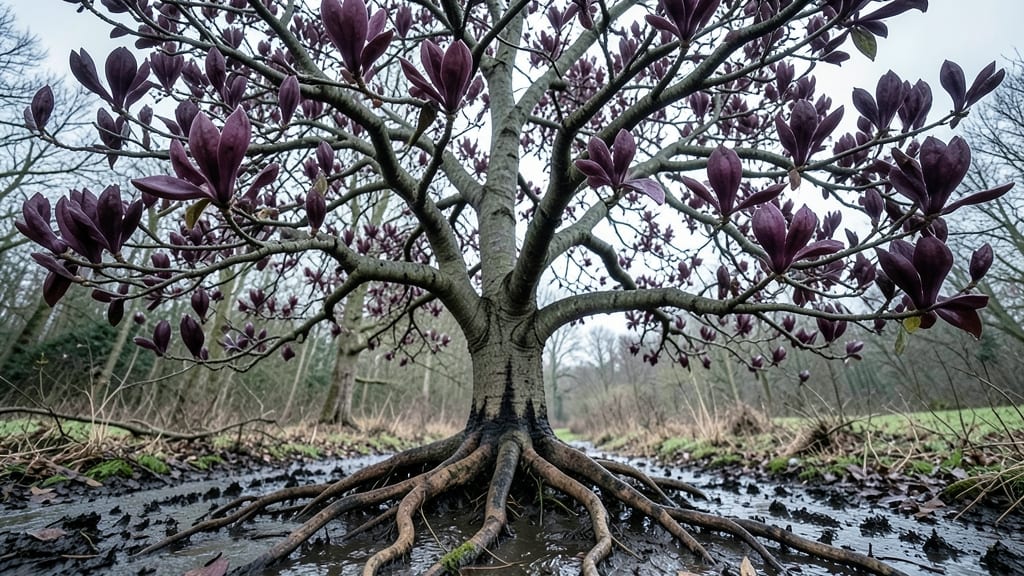
When your magnolia’s leaves turn an unnatural purple-black in fall, it’s not just a seasonal shift—this is a root rot red flag. Unlike the healthy yellow-green hues of autumn, this discoloration signals waterlogged roots, a condition that worsens as winter approaches and the tree enters dormancy.
Start by testing the soil around your magnolia’s base: if it feels soggy even two days after rain, improve drainage immediately. Amend the soil with compost or organic matter to loosen compacted areas, and consider installing a French drain if water pools persistently. Avoid overwatering and mulch with a 2-3 inch layer of organic mulch to regulate moisture levels.
This issue hits homeowners in clay-heavy or low-lying garden beds hardest, but even well-drained soils can develop root rot if drainage pathways become clogged. Acting now can save your magnolia from irreversible decline before winter sets in. 💚
White Fuzzy Mold on Leaves
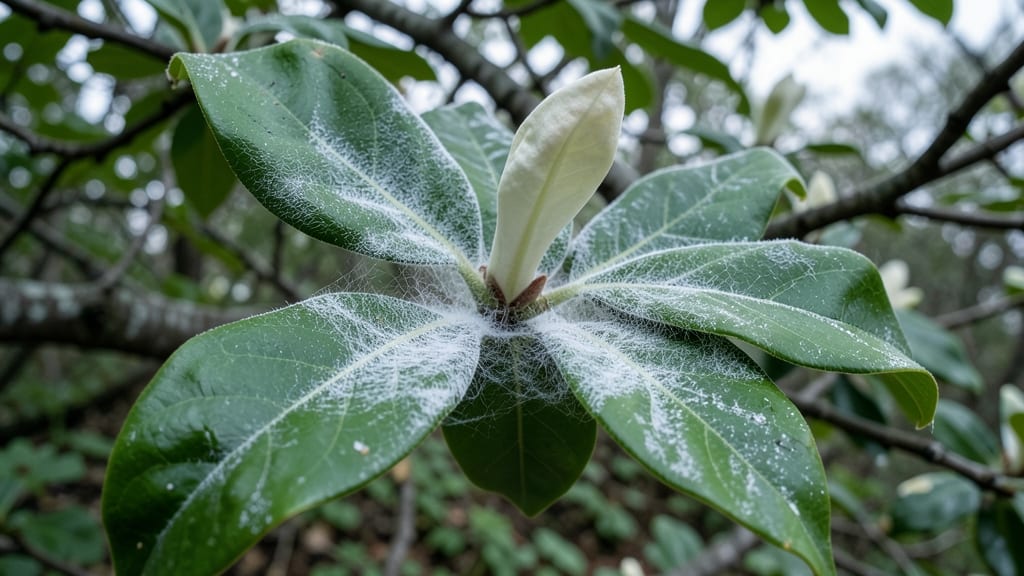
That white fuzzy mold creeping across your magnolia leaves isn’t just unsightly—it’s a red flag for powdery mildew, a fungal infection that thrives in damp, shaded conditions. Unlike other leaf issues, this mold spreads rapidly, turning vibrant foliage into a ghostly white blanket that weakens your tree’s health.
Start by pruning back crowded branches to improve airflow, especially in tight clusters where humidity lingers. Apply a fungicidal spray (like neem oil or sulfur-based treatments) every 7–10 days until the mold disappears. For severe cases, remove heavily infected leaves and dispose of them in the trash—not your compost—to prevent reinfection.
This problem hits shaded magnolias hardest, so gardeners in dense landscapes or urban yards should stay vigilant. Catching it early saves your tree from winter stress and keeps your garden thriving. ✨
Holes and Chewed Edges
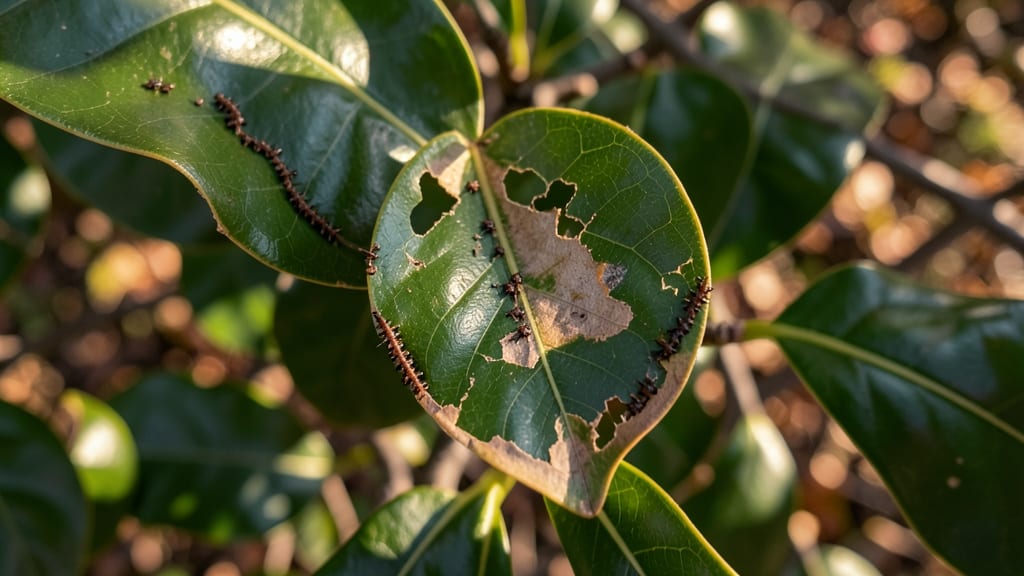
Noticed irregular holes or jagged edges on your magnolia leaves? These aren’t just cosmetic issues—they’re a clear sign of magnolia scale insects or hungry caterpillars feasting on your tree’s foliage. Unlike fungal spots or environmental stress, these pests create ragged, uneven damage that can weaken your tree over time.
Start by handpicking visible pests (especially the armored, scale-like bumps) or their egg sacs, then dispose of them in soapy water. For a more thorough approach, apply horticultural oil in early spring before new growth emerges—this smothers eggs and young insects without harming beneficial pollinators. Focus on the undersides of leaves and branch crevices, where pests love to hide.
This is especially critical for young magnolias or newly planted trees, as heavy infestations can stunt growth. Even mature trees benefit from early intervention—healthy leaves in fall mean stronger blooms next spring. 🌿
Premature Leaf Drop in Fall
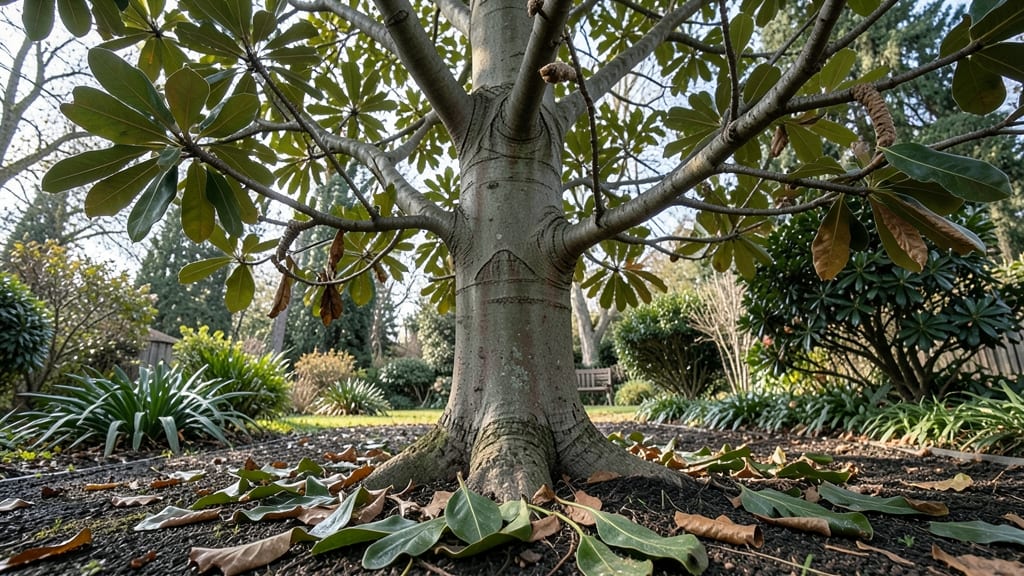
Seeing your magnolia tree drop leaves earlier than usual? While some varieties naturally shed in fall, premature leaf drop could signal magnolia leaf gall—a fungal disease that weakens branches—or environmental stress from sudden temperature swings. This issue often goes unnoticed until winter, when trees struggle to recover.
To protect your tree, apply a 3-4 inch layer of mulch around the base to insulate roots and retain moisture. Check for small, gall-like bumps on stems or leaves—a telltale sign of infection—and prune affected areas immediately. Avoid overwatering, as soggy soil worsens fungal growth. For severe cases, a copper fungicide spray in early fall can help prevent spread.
This proactive care is especially critical for young magnolias or those in humid climates, where leaf gall thrives. Acting now ensures your tree stays healthy through winter and blooms beautifully next spring. 🌿
Orange-Rust Colored Spots
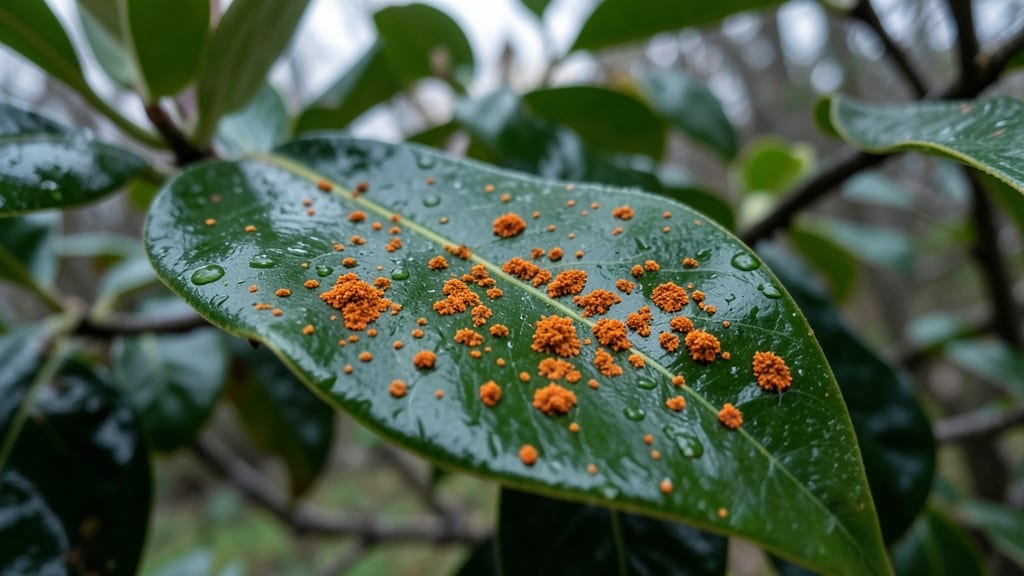
Those orange-rust colored spots on your magnolia leaves aren’t just unsightly—they’re a red flag for magnolia rust fungus, a highly contagious disease that spreads rapidly in damp conditions. Unlike other leaf issues, this fungal infection thrives in crowded plantings and poor airflow, making it a sneaky threat to your tree’s health.
Act fast by removing and destroying infected leaves immediately to prevent spores from spreading. Thin out nearby branches to improve air circulation around the tree, which is your best defense against recurrence. For severe cases, apply a fungicide labeled for rust diseases in early spring before new growth appears. This proactive step can save your magnolia from losing leaves entirely next season.
Gardeners in humid climates or those with multiple magnolia trees should prioritize this preventative care—it’s the difference between a thriving tree and one struggling with persistent fungal infections. 🌟
Yellowing Between Veins

When your magnolia’s leaves turn yellow between the veins—not just at the edges—it’s a red flag for chlorosis, a nutrient deficiency that often means your tree isn’t absorbing enough iron from the soil. Unlike normal fall color shifts, this pattern appears in patches while veins stay green, signaling a deeper issue.
To fix it, start by applying chelated iron (a plant-safe iron supplement) to the soil, especially if your garden is alkaline or compacted. Aerate the root zone with a garden fork to improve nutrient uptake, and consider a soil test to check pH levels—magnolias thrive in slightly acidic soil (pH 5.0–6.5). For container-grown trees, use iron-boosting fertilizers designed for acid-loving plants.
This issue is most common in young magnolias or those planted in amended soil, but even mature trees can suffer if soil health declines. Addressing chlorosis early prevents leaf drop and keeps your tree vibrant through winter. 💚