
Pruning
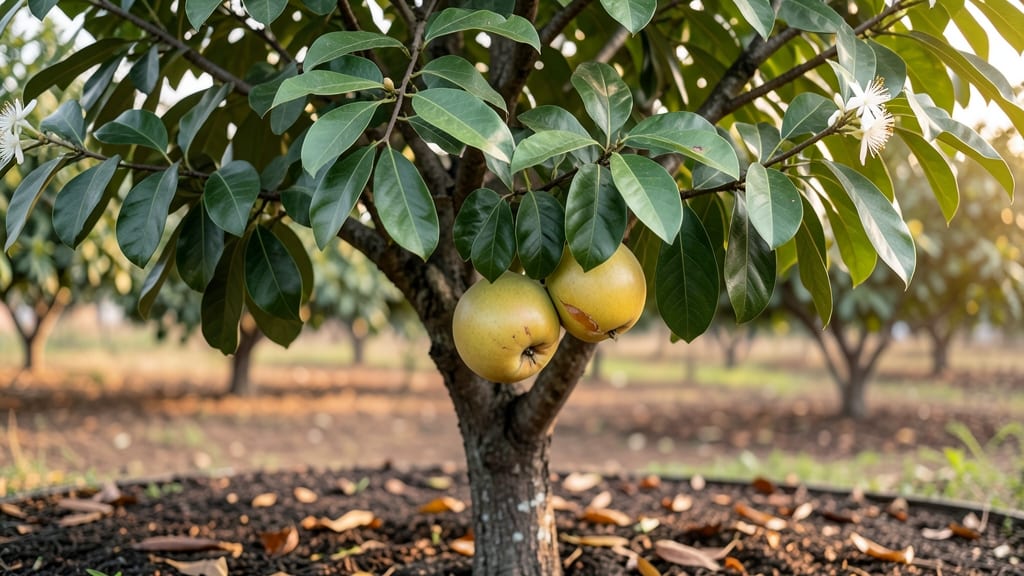
Growing Indian tree fruits like mangoes and jackfruit transforms your yard into a tropical oasis. 🌿 The real secret to year-round harvests isn't just planting—it's mastering the art of strategic pruning that keeps these giants productive for decades.
I've spent years watching my mango tree go from scraggly to a heavy-fruiting powerhouse, and the difference comes down to when and how you cut. These trees thrive in warm climates but need specific care: well-draining soil, full sun, and regular watering that mimics their natural monsoon patterns.
Most gardeners overlook pruning until the branches get unruly, but the best time to shape them is right after harvest when they're not stressed. A few well-placed cuts now mean 50% more fruit next season. You'll end up with a tree that produces consistently, even in challenging years.
The first harvest after proper pruning is always the sweetest reward—imagine plucking ripe mangoes straight from your own branches. The process also makes harvesting easier and keeps the tree's shape manageable. Works for mangoes, jackfruit, tamarind, and guava trees alike.
Whether you're starting from seed or grafting, these techniques apply to all major Indian fruit trees. Let's get those branches in shape!
📚 In This Guide
- What you need
- Instructions
- Tips and common mistakes
- Wrapping up and next steps
What you need
- ● Pruning Shears: Bypass pruners (for small branches, 4-6 inches long, sharp and corrosion-resistant). Quantity: 1 pair.
- ● Pruning Saw: Folding handsaw (for thicker branches, 8-12 inches, with a fine-tooth blade). Quantity: 1.
- ● Loppers: Long-handled bypass loppers (for medium branches, 20-24 inches, with a comfortable grip). Quantity: 1 pair.
- ● Pole Pruner: Extendable pruning saw or shears (for high branches, 6-10 feet, with a sturdy pole). Quantity: 1.
- ● Gloves: Heavy-duty gardening gloves (cut-resistant, with a snug fit). Quantity: 1 pair.
- ○ Pruning Sealant: Tree wound dressing (optional but recommended for large cuts, like Tanglefoot Tree Wound Pruning Seal). Quantity: Small jar.
- ● Disinfectant: 70% isopropyl alcohol or bleach solution (1 part bleach to 9 parts water, for sterilizing tools). Quantity: Small spray bottle.
- ● Safety Gear: Safety goggles and ear protection (if using a chainsaw for very thick branches).
- ● Ladder: Sturdy, non-slip ladder (for reaching higher branches, ensure it’s rated for your weight).
- ● Tarp or Drop Cloth: Heavy-duty canvas (to collect debris, 4x6 feet).
- ● Sharpener: Pruner sharpening tool (to keep blades razor-sharp between uses).
- ● Notebook & Pen: For tracking pruning notes (dates, cuts made, tree health observations).
- ● Basic knowledge of tree anatomy (e.g., identifying water sprouts, dead wood, or suckers).
- ● Understanding of seasonal pruning (best times for Indian tree fruits like mango, jackfruit, or guava).
- ● Weather check: Prune on a dry, cloudy day to avoid stressing the tree.
- ● Tree health assessment: Ensure the tree is free of pests/diseases before pruning.
Step-by-step instructions for pruning Indian tree fruit
Here's how I keep my Indian tree fruit producing year-round with smart pruning.
✂️ Step 1: Identify the Right Time to Prune
Prune your Indian tree fruit during its dormant season, which is typically late winter or early spring before new growth begins. This is usually around February to March in most climates. You'll know it's the right time when the tree has no leaves and the weather is still cool—ideally between 40-60°F.
If you live in a warmer climate, you can prune in early summer after the fruit has been harvested. Avoid pruning during active growth or flowering periods, as this can stress the tree and reduce fruit production. I always mark the branches with a piece of twine before cutting to keep track of what I've pruned.
✂️ Step 2: Remove Dead, Diseased, or Weak Branches
Start by inspecting the tree for any branches that are dead, diseased, or crossing each other. Use clean, sharp pruning shears to make clean cuts at a 45-degree angle, about ¼ inch above a bud or branch collar. This helps the tree heal faster and prevents water from pooling on the cut.
Look for branches that are rubbing against each other or growing inward—they can create wounds that invite pests and diseases. Remove any branches that are smaller than a pencil in diameter, as they won’t contribute much to the tree’s structure or fruit production. I always work from the bottom up to avoid standing on ladders unnecessarily.
✂️ Step 3: Shape the Tree for Better Airflow and Light
Next, focus on shaping the tree to improve airflow and sunlight penetration. Aim for an open-center shape, where the branches spread out evenly rather than clustering in the center. This reduces humidity inside the tree, which helps prevent fungal diseases like powdery mildew.
Cut back any branches that are growing too close to the trunk or other main branches. Leave only the strongest, most vigorous branches to encourage healthy growth. I like to step back every few minutes to visualize the tree’s shape—it’s easier to see what needs adjusting from a distance.
✂️ Step 4: Thin Out Overcrowded Branches
If the tree has too many branches competing for space, thin them out to improve fruit quality and size. Remove about 20-30% of the branches, focusing on the smaller, weaker ones. This allows the remaining branches to grow stronger and produce larger, healthier fruit.
Pay special attention to branches that are growing straight up—these often produce less fruit and can block sunlight from reaching the lower branches. Cut them back to a lateral branch or bud that’s growing outward. I always leave at least three strong branches per main scaffold to ensure the tree maintains its structure.
🌿 Step 5: Maintain the Tree Throughout the Year
After the initial pruning, keep an eye on the tree throughout the growing season. Remove any suckers (shoots growing from the base or along the trunk) as soon as you see them, as they drain energy from the main tree. Lightly trim any branches that are growing too long or becoming leggy to encourage bushier growth.
In late summer or early fall, you can do a light pruning to remove any dead or diseased branches that appear after the growing season. Avoid heavy pruning at this time, as it can stimulate new growth that won’t have time to harden off before winter. I also make a note of any branches that need more attention during the next dormant season pruning.
Tips & tricks for pruning Indian tree fruit
Smart pruning transforms your tree from seasonal to year-round producer—and these tricks will help you avoid common pitfalls.
Timing is Everything: The February-to-March window is critical because your tree needs to focus energy on new growth, not recovery from stress. I once pruned in April and noticed stunted fruit production that year—don't make that mistake! If you're in a warmer climate, stick to early summer after harvest, but never during flowering. That's when the tree's energy is already committed to fruit development.
Tool Prep Matters: Sterilize your pruning shears with rubbing alcohol between cuts to prevent spreading disease. I keep a small bottle in my tool belt and wipe blades after every 3-4 cuts, especially when dealing with diseased branches. Sharp tools also make cleaner cuts—dull blades tear bark, creating larger wounds that take longer to heal. Invest in a good pair of bypass pruners if yours feel like they're struggling through cardboard.
Visualize the Structure: Step back every 10-15 minutes to check your progress. I've learned this the hard way—once I spent 2 hours pruning only to realize the center was still too dense. Aim for that open vase shape where sunlight can reach all branches. For young trees, focus on creating 3-4 main scaffold branches spaced evenly around the trunk. This gives your tree its strongest foundation for future growth.
Seasonal Maintenance Hack: Keep a small pruning kit in your gardening shed with a few extra twine pieces for marking branches. I've found that doing quick 10-minute checks every few weeks during growing season catches problems early. Remove those suckers immediately—they're like little vampires siphoning energy from your fruit production. A little regular attention prevents major pruning jobs later.
Pro Tips for Indian Tree Fruit
- Smart pruning transforms your tree from seasonal to year-round producer—and these tricks will help you avoid common pitfalls.
- Timing is Everything: The February-to-March window is critical because your tree needs to focus energy on new growth, not recovery from stress.
- Tool Prep Matters: Sterilize your pruning shears with rubbing alcohol between cuts to prevent spreading disease.
Frequently asked questions
Got questions about growing and pruning Indian tree fruit? You’re not alone! Here are some of the most common queries—plus quick, actionable answers to keep your harvest thriving year-round.
When is the best time to prune Indian tree fruit for maximum yield?
The ideal time to prune is late winter or early spring (before new growth starts) or summer after harvest. Avoid heavy pruning in fall—it can stimulate tender growth vulnerable to frost. Light shaping in summer helps airflow and reduces disease risk. Pro tip: Prune on a dry, cloudy day to minimize stress on the tree!
How do I know if I’m over-pruning or under-pruning my Indian tree fruit?
Over-pruning signs: bare branches, stunted growth, or no fruit in 1–2 years. Under-pruning signs: crowded branches, poor airflow, or small, misshapen fruit. Aim to remove 20–30% of the canopy annually for healthy balance. If your tree looks "hairy" with too many shoots, it’s time to thin!
Can I prune Indian tree fruit during the rainy season?
Pruning during heavy rains is not recommended—wet tools spread disease, and cuts heal slower. If you must prune, do it early in the morning so branches dry quickly. Wait for a 3–5 day dry spell post-pruning to let wounds seal. Pro tip: Sterilize tools with rubbing alcohol to prevent fungal infections!
What should I do if my Indian tree fruit isn’t bearing fruit after pruning?
No fruit? Check these fixes:
- Age: Young trees (under 3–5 years) focus on growth—be patient!
- Nutrients: Test soil for potassium and phosphorus (key for fruiting).
- Water stress: Drought or overwatering can halt flowering.
- Pruning error: Too much top-heavy cuts may reduce flowering. Balance vertical and horizontal cuts.
Are there alternative pruning methods for small-space Indian tree fruit gardens?
Yes! Try:
- Espalier: Train branches flat against a wall/fence to save space (great for patios!).
- Central leader vs. open vase: For dwarf varieties, use an open vase shape to improve light penetration.
- Pollarding: Cut back hard every few years to encourage dense, low branches (ideal for urban gardens).
Wrapping up and next steps
Indian tree fruits—like mangoes, jackfruit, and guava—are nature’s gift, offering year-round harvests with the right pruning care. By mastering techniques like selective trimming, shaping, and disease prevention, you can boost fruit quality and productivity while keeping your trees healthy.
Whether you’re a beginner or a seasoned gardener, every snip brings you closer to a bountiful orchard!
🌱 Ready to transform your backyard? Start small—pick one tree this season, gather your tools, and begin pruning with confidence. Your future harvest (and neighbors!) will thank you! 🍈✨