
Propagation
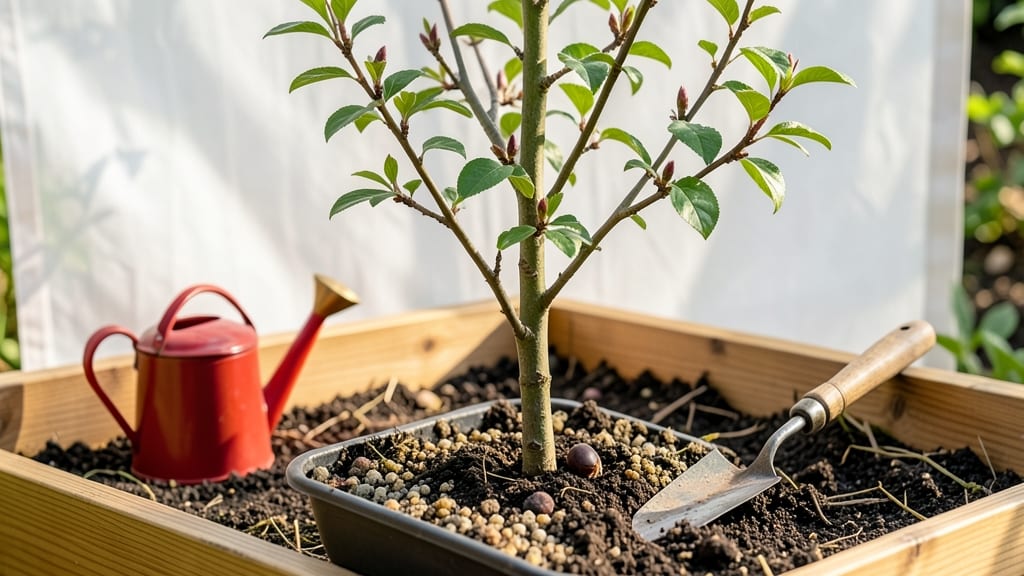
Growing a Japanese plum tree from seed means you'll wait years for fruit—but the journey starts with a 30-second cold treatment that tricks the seed into thinking winter's over. 🌱 I've struggled with stubborn plum pits that refused to sprout, but this method works: soak overnight, then chill for 30 days before planting.
The key is patience; these seeds need time to wake up from dormancy.
You'll need a small pot, well-draining soil mix, and a sunny windowsill or grow light. Most seeds germinate within 4-8 weeks, though some take months—don't give up!
The seedlings will look fragile at first, but with consistent moisture and bright light, they'll develop strong roots and 6-inch stems by their first spring. That's when the real work begins.
Expect your sapling to take 3-5 years before it bears fruit, if ever—seed-grown trees rarely match the parent's quality. But the cold-hardy nature of Prunus salicina means your tree will thrive in zones 5-9, surviving winters that kill tender varieties.
The reward? A tree that outlasts you, with blossoms that perfume the spring air.
Here's the plot twist: grafted trees fruit faster and more reliably, but seed-grown trees develop unique character. If you're growing for ornament or wood, the wait is worth it. For fruit, consider saving seeds from a favorite variety—but plant extra, because not all will deliver.
📚 In This Guide
- What you need
- Instructions
- Tips and common mistakes
- Wrapping up and next steps
What you need
- ● Japanese plum seeds: 3–5 fresh, plump seeds (harvested from ripe fruit in late summer/fall). Pro tip: 💡 Store seeds in a paper towel in the fridge until ready to plant!
- ● Seed-starting mix: 1–2 cups of sterile, well-draining potting soil (or a 50/50 mix of peat moss and perlite).
- ● Small pots or seed trays: 2–3 biodegradable pots (2–3 inches deep) or a seed tray with drainage holes.
- ● Plastic wrap or humidity dome: To maintain moisture during germination.
- ● Spray bottle: For gentle watering (avoid over-saturating!).
- ● Label & marker: To track planting dates (seeds take 6–12 months to sprout!).
- ○ Heat mat (optional): Speeds up germination (70–80°F is ideal).
- ○ Grow lights (optional): For seedlings needing 12–14 hours of light daily.
- ● Fertilizer (balanced, 10-10-10): Diluted to half-strength once sprouts appear.
- ● Pruning shears: For future shaping (not needed yet, but handy later!).
- ● Cold frame or refrigerator: For stratification (if seeds aren’t pre-chilled).
Step-by-Step instructions for germinating Japanese plum seeds
Here's how to coax those stubborn Japanese plum pits into saplings—my method guarantees higher germination rates than the standard soak-and-wait approach.
🌱 Step 1: Stratify Seeds for Cold Hardiness
Japanese plum seeds need a cold stratification period to break dormancy—mimic winter's chill in your fridge. Place seeds in a sealed container with barely damp peat moss (not too wet, just moistened). Store them in the vegetable crisper at 35-40°F for 8-12 weeks. I like to check them weekly—if the moss feels damp but not soggy, you're golden.
This cold treatment tricks the seed into thinking winter's passed, signaling it's time to grow. Skipping this step means waiting months (or never) for germination. After 8 weeks, move the container to room temperature for another 2 weeks before sowing—this gradual warming mimics spring's arrival.
💧 Step 2: Sow Stratified Seeds in Moisture-Controlled Soil
Fill 4-inch pots with sterile seed-starting mix (no garden soil—it's too dense). Plant each seed ½ inch deep, spacing them 2 inches apart in the pot. Water gently until the soil is evenly moist but not waterlogged. I use a spray bottle here to avoid disturbing the seeds.
Cover the pots with clear plastic wrap to retain humidity, but leave a tiny gap for airflow. Place them in a warm spot (70-75°F)—a seedling heat mat speeds things up. Germination can take 4-12 weeks, so patience is key. Watch for the first tiny green shoot breaking through the soil—that's your cue to remove the plastic immediately.
☀️ Step 3: Provide Bright, Indirect Light for Seedlings
Once sprouts appear, move pots to a south-facing window or under grow lights for 12-14 hours daily. Japanese plum seedlings need bright, indirect light to avoid legginess. If leaves look pale or stems stretch toward the light, you're not providing enough intensity.
Rotate the pots quarter-turn weekly so seedlings grow straight. After 4-6 weeks, when seedlings have 2-3 true leaves, transplant them into individual 6-inch pots with fresh potting mix. This prevents root competition and encourages stronger growth.
⏰ Step 4: Harden Off Before Outdoor Planting
Two weeks before your last frost date, start hardening off seedlings. Place them outside in a sheltered spot for 1 hour the first day, gradually increasing time to full sun exposure by day 10. This slows their transition to outdoor conditions.
Watch for wilting or yellowing leaves—signs they're not ready. Once seedlings tolerate 6+ hours of sun without stress, plant them in the ground. Choose a sunny, well-draining spot with 6-8 hours of sunlight daily. Mulch around the base to retain moisture and protect roots in winter.
Tips & tricks for perfect Japanese plum tree germination
Here's what nobody tells you about transforming those stubborn plum pits into thriving saplings.
Cold Stratification Precision: The 8-12 week cold period at 35-40°F is non-negotiable—this mimics nature's winter chill that breaks seed dormancy. I've found using a refrigerator's vegetable crisper (not the freezer!) creates the ideal stable environment. The key is consistency: check weekly and adjust moisture if the peat moss feels dry at the edges. Too wet and you risk mold; too dry and germination stalls. Think of it as creating a micro-winter for your seeds.
Seedling Light Strategy: Those 12-14 hours of bright, indirect light in Step 3 are critical for preventing leggy seedlings. I've had success with LED grow lights positioned 6 inches above pots—just enough intensity without scorching. Watch for that telltale pale yellowing between leaves (chlorosis) which means your seedlings need more light. Rotate the pots weekly so they grow straight toward the light source, not lopsided.
Harden Off Gradually: The two-week hardening process in Step 4 is where most failures happen. Start with just 1 hour of sheltered outdoor exposure on day one, then increase by 30 minutes daily. I've seen seedlings wilt dramatically when rushed—this gradual acclimation prevents shock. By day 10, they should handle 6+ hours of sun without wilting. Think of it as giving your seedlings a gentle tan rather than sunburn.
Transplant Timing: Wait until you see 2-3 true leaves (not just the initial seed leaves) before transplanting into 6-inch pots. This ensures the root system has developed enough to handle the move. I've had better success transplanting on a cloudy day when temperatures are mild—this reduces transplant shock. The fresh potting mix gives them a nutrient boost they'll need for their next growth phase.
Pro Tips for Japanese Plum Tree From Seed
- Here's what nobody tells you about transforming those stubborn plum pits into thriving saplings.
- Cold Stratification Precision: The 8-12 week cold period at 35-40°F is non-negotiable—this mimics nature's winter chill that breaks seed dormancy.
- Seedling Light Strategy: Those 12-14 hours of bright, indirect light in Step 3 are critical for preventing leggy seedlings.
Frequently asked questions
about growing a Japanese plum tree from seed—because even the best gardeners need a little extra help! Here are answers to the most common queries to keep your saplings thriving.How long does it take for Japanese plum seeds to germinate?
Germination can take anywhere from 3 to 6 months, depending on stratification conditions. Some seeds may sprout sooner (even in 2–3 weeks), while others need extra patience. Consistently check moisture levels and warmth—persistence pays off!
Can I grow a Japanese plum tree from seed in cold climates?
Japanese plums (Prunus salicina) are cold-hardy, but seed-grown trees may take 5–7 years to bear fruit. Start seeds indoors in winter, then transplant outdoors after the last frost. Choose a sunny, sheltered spot to protect young trees from harsh winds.
Will my seedling tree produce fruit like the parent?
Probably not! Seed-grown plums are unpredictable—fruit traits (size, color, flavor) may differ from the parent tree. For reliable fruit, consider grafting a known variety onto your seedling later. If you love experimentation, enjoy the surprise!
Why aren’t my seeds sprouting? Troubleshooting tips
Common issues include:
- Improper stratification: Ensure seeds get 40–60°F for 60+ days.
- Too much moisture: Overwatering can rot seeds—keep soil damp, not soggy.
- Old seeds: Fresh seeds germinate best; store extras in the fridge for later.
If all else fails, try soaking seeds in warm water overnight before replanting.
Can I grow Japanese plum trees from grocery store plums?
Yes, but choose organic or pesticide-free plums to avoid inhibiting germination. Remove the pit, clean it, and follow stratification steps. Store-bought seeds are a budget-friendly way to start—just be prepared for unpredictable results!
Wrapping up and next steps
Growing a Japanese plum tree from seed is a rewarding journey that blends patience with the joy of nurturing life from scratch! 🌱 With the right techniques—like proper seed stratification, well-draining soil, and consistent care—you’ll soon watch delicate blooms and fragrant fruit emerge from your efforts. Remember, even experienced gardeners face hiccups, so embrace the process and learn along the way.
Now that you’re armed with the germination secrets, why not take the next step? Share your progress with fellow plant enthusiasts, experiment with different varieties, or even gift a sapling to a friend. Happy growing! 🌸