
Pruning
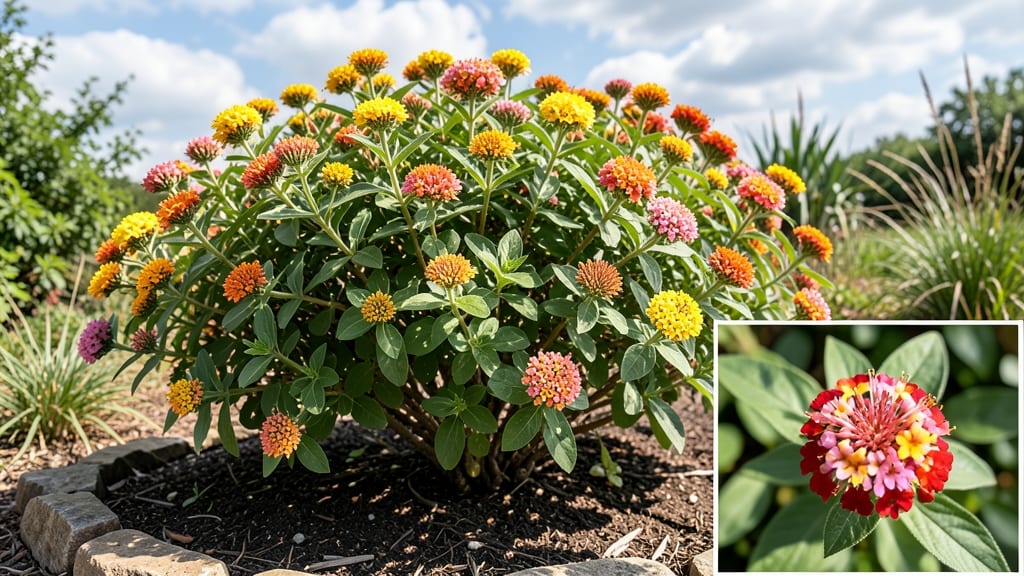
Turning lantana into a tree form starts with a single cut—and ends with a showstopping focal point for your landscape. 🌿 I’ve shaped mine into a 5-foot-tall specimen with a single trunk and cascading blooms, and the secret isn’t complicated: it’s all about strategic pruning and patience.
Most gardeners treat lantana as a sprawling shrub, but with the right approach, you’ll coax it into a structured, bloom-heavy tree that steals the show.
The trick begins with selecting the right variety—‘New Gold’ or ‘Bandana’ series lantanas respond best to shaping because they’re naturally bushy. You’ll need full sun (6+ hours daily), well-draining soil, and a clean pruning cut to avoid disease.
Start by removing lower branches to create a bare trunk, then prune back one-third of the plant in early spring to encourage dense, upward growth. The result? A compact, tree-like shape that blooms nonstop from summer through fall.
By midsummer, your lantana will reward you with vibrant clusters of flowers—yellow, orange, or purple—draped like confetti along the branches. The key to keeping it lush is regular light pruning: trim back leggy growth after each flush of blooms to maintain shape and density.
With this method, you’ll end up with a small tree that’s easier to maintain than a full-sized one but just as dramatic.
Works in containers too—just use a 15-gallon pot for dwarf varieties like ‘Lemon Swirl’. The same pruning rules apply, and you’ll get the same neighborhood-turning-heads results. Here’s how to shape yours without sacrificing those butterfly-magnet blooms.
📚 In This Guide
- What you need
- Instructions
- Tips and common mistakes
- Wrapping up and next steps
What you need
- ● Pruning shears: Bypass pruners (for clean cuts on small stems) – sharp, high-quality, and sanitized (e.g., Fiskars or Felco).
- ● Loppers: For thicker branches (½"–1½" diameter) – long-handled for leverage (e.g., Corona or Bahco).
- ● Pruning saw: For stubborn, woody branches (1½"+ diameter) – fine-toothed for clean cuts.
- ● Gloves: Heavy-duty gardening gloves – cut-resistant for protection (e.g., Mechanix or Dr. Tygers).
- ● Disinfectant: 70% isopropyl alcohol or bleach solution (1 part bleach to 9 parts water) – to sterilize tools between cuts.
- ● Rubbing alcohol or hand sanitizer: For cleaning hands before/after pruning.
- ○ Pruning sealant (optional): For large cuts (½"+) – prevents disease entry (e.g., Tanglefoot Tree Wound Pruning Seal).
- ● Trash bags or bucket: For collecting pruned debris – 1–2 large bags or a 5-gallon bucket.
- ● Ladder or step stool: If your lantana is tall (6 ft+) – stable, non-slip model.
- ● Notebook & pen: To jot down pruning notes (e.g., branch locations, growth patterns).
- ● Best time to prune: Early spring (just as new growth begins) or late winter – avoid pruning during flowering season.
- ● Weather check: Prune on a dry, cloudy day (or early morning) to reduce stress on the plant.
- ● Safety first: Wear long sleeves/pants and eye protection if working near thorny varieties.
- ● Hydration & snacks: Water bottle and light snacks – pruning can be a workout! 💦🍏
- ● 🔥 Sharpen your tools: Dull blades tear stems, inviting disease. Hone shears/loppers with a file or sharpening stone before starting.
- ● 🌡️ Work in layers: Remove ⅓ of the plant’s foliage in one session for lantanas under stress (e.g., drought or heat).
- ● ✨ Label your cuts: Use a marker to tag branches you’re unsure about—revisit them later for a second opinion.
Instructions for crafting a lantana tree form through strategic pruning
Here's how I transform leggy lantana into a lush, tree-like specimen with year-round blooms.
✂️ Step 1: Select Your Central Leader Stem
Choose the straightest, strongest upright stem—this becomes your trunk. Lantana naturally grows multi-stemmed, so look for a vertical shoot that's at least 12 inches tall and free of major bends. If no clear leader exists, select the most vertical branch and gently tie it to a small stake for support.
Make your first cut just above a leaf node (where leaves attach) about 6 inches from the base. This encourages branching below the cut. I always use clean, sharp pruners to avoid tearing the stem—ragged cuts invite disease. Remove all side branches below your selected leader to create a clean trunk.
✂️ Step 2: Prune for Structural Balance
Once your leader reaches 18-24 inches, it's time to shape the canopy. Cut back the top 1/3 of the leader to stimulate lateral branching. This is where the tree form begins to emerge. For each lateral branch you want to keep, trim back to just above a leaf node where you see buds forming.
Remove any crossing or inward-growing branches immediately—they'll compete for energy and create a messy interior. I like to leave 3-5 main scaffold branches spaced evenly around the trunk. These will form your primary "arms." Each should be cut back to a strong outward-facing bud to encourage outward growth.
🌿 Step 3: Encourage Bushy Growth Through Strategic Cuts
After establishing your main branches, focus on creating a dense canopy. Cut back all new growth by half when it reaches 6-8 inches long. This might seem drastic, but it triggers bushier growth from the base of each cut. The key is to always cut just above a leaf node where you can see healthy buds.
For flowering abundance, I make a habit of removing only the oldest blooms—never the new flower buds. Lantana blooms on new wood, so pruning spent flowers encourages constant reblooming. Use sterilized pruners between cuts to prevent spreading any potential pathogens through the plant.
⏰ Step 4: Seasonal Maintenance for Year-Round Form
After your initial shaping, maintain the tree form with three seasonal prunes. In early spring, remove any dead or crossing branches and trim back any overgrowth by 1/3. This keeps the plant compact and encourages fresh spring growth. In mid-summer, give the plant a light haircut—just trim the tips of branches to encourage bushier fall blooms.
For winter care in colder zones, cut back 1/2 to 2/3 of the plant before the first frost. Lantana is semi-tender, so protecting the base with mulch helps it survive winter. In warmer climates, minimal pruning is needed—just remove dead wood and shape as needed. The goal is to keep the plant open at the center for airflow and prevent disease.
☀️ Step 5: Position for Optimal Growth
Place your pruned lantana in full sun—at least 6-8 hours daily—for best flowering. The more sunlight, the more blooms you'll get. In hot climates, provide afternoon shade to prevent leaf scorch, especially after heavy pruning when the plant is vulnerable. Water deeply once weekly during establishment, then reduce to every 10-14 days once established.
Fertilize lightly in early spring with a balanced 10-10-10 formula to support new growth. Avoid heavy feeding—lantana blooms best when slightly stressed. I always check the soil first with my finger: if the top 2 inches feel dry, it's time to water. Overwatering leads to root rot, which can undo all your pruning efforts.
Tips & tricks for perfect lantana tree form
Transforming leggy lantana into a stunning tree form takes patience—but these pro strategies make all the difference.
Pruning Precision: When making your first cut in Step 1, look for a leaf node with at least two healthy buds below the cut point. This ensures you'll get two strong branches growing from that spot. I've learned the hard way that cutting too close to a single bud often results in weak, spindly growth. Always make clean cuts at a 45-degree angle just above the node—this prevents water from pooling and causing rot.
Branch Selection Strategy: In Step 2, prioritize branches that grow at a 45-60 degree angle from the trunk. These will develop into your sturdiest scaffold branches. Avoid selecting branches that grow straight up or directly downward—they'll create a weak structure. I like to visualize the final shape before cutting, spacing my 3-5 main branches evenly around the trunk like spokes on a wheel.
Growth Stimulation: The half-cutting technique in Step 3 works wonders for bushiness. When you see new growth reaching 6-8 inches, make a shallow cut about halfway through the stem (don't cut all the way through). This triggers growth from the base while keeping the top alive. It's like giving your plant a natural haircut—what seems drastic actually creates fuller, healthier foliage.
Seasonal Timing: For your early spring prune, time it just as new growth begins to appear—usually when you see fresh leaves emerging. This 1/3 reduction prevents overgrowth while encouraging vigorous spring blooms. In mid-summer, aim for the light haircut right after your lantana finishes its first major flowering flush. This triggers the bushiest fall growth I've seen in my own garden.
Pro Tips for Lantana Tree Form
- Transforming leggy lantana into a stunning tree form takes patience—but these pro strategies make all the difference.
- Pruning Precision: When making your first cut in Step 1, look for a leaf node with at least two healthy buds below the cut point.
- Branch Selection Strategy: In Step 2, prioritize branches that grow at a 45-60 degree angle from the trunk.
Frequently asked questions
Got questions about shaping your lantana into a thriving, bushy beauty? Here are answers to the most common ones—so you can prune with confidence!
How often should I prune my lantana for the best form?
Prune your lantana lightly every 4–6 weeks during the growing season (spring to fall) to encourage bushiness. For dramatic shaping, do a hard prune once a year in early spring before new growth starts. Avoid heavy cuts in winter—they stress the plant.
Can I prune lantana in winter? What if it’s dormant?
Winter is not the best time for heavy pruning—lantana is semi-dormant and may not recover well. If you must trim, stick to light cleanup cuts (removing dead or damaged branches). Wait until late winter or early spring for major reshaping when new growth resumes.
Will pruning make my lantana bloom more?
Pruning stimulates new growth, which leads to more flowers. Focus on cutting back leggy stems and thinning crowded areas. Just avoid over-pruning—lantana thrives on balanced cuts (never removing more than ⅓ of the plant at once).
What’s the best way to shape lantana into a bushy form?
For a full, rounded look:
- Pinch back tips of new growth when stems are 6–8 inches tall.
- Trim outward-facing branches to encourage inward growth.
- Use hand pruners for small cuts and loppers for thicker stems.
My lantana looks leggy after pruning. What went wrong?
Leggy growth usually means too much pruning at once or cutting too low. Fix it by:
Patience is key—lantana bounces back with proper care!
Wrapping up and next steps
Mastering the lantana tree form through pruning unlocks a world of vibrant blooms and lush, bushy growth—no green thumb required! With the right tools, timing, and techniques, you’ll transform your lantana into a thriving, eye-catching centerpiece. Remember, consistency is key, and even small adjustments can yield big rewards.
Ready to take the next step? Grab your pruners, mark your calendar for the best pruning seasons, and start shaping your lantana today! Your future garden will thank you—one cheerful bloom at a time. 🌸✂️