
Pruning
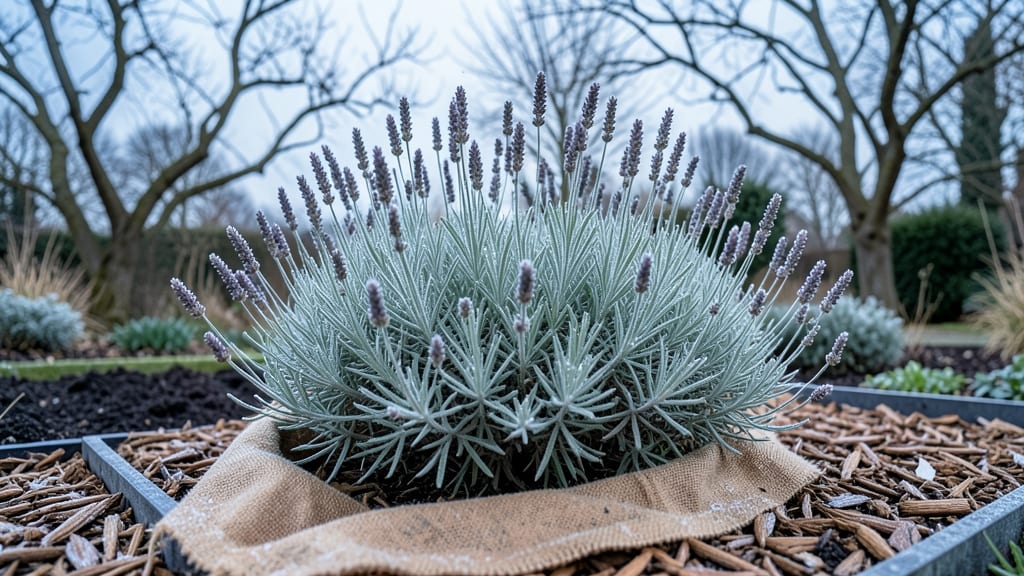
Your lavender tree’s winter care starts with a single, sharp cut—done right, it wakes up stronger in spring. ✂️ I’ve seen lavender trees go from ragged and frost-bitten to lush and fragrant just by mastering this dormant-season routine, and it’s simpler than you’d think. The key?
Pruning at the right time, protecting tender growth, and avoiding the three mistakes that kill lavender every winter. Most gardeners mess up by pruning too late, leaving tender new growth vulnerable to late frosts.
Instead, time your cuts right after the first hard freeze but before January’s deep chill—this ensures the tree’s energy goes into root development, not regrowing leaves. A 10-minute trim with the right tools makes all the difference between a bush that recovers and one that struggles.
What you’ll end up with is a neat, compact shape that blooms earlier and denser than ever. The pruned branches make fantastic potpourri, and the tree’s scent—even in winter—becomes noticeably stronger. The secret? Mulch heavily, water sparingly, and shield young plants from 20-degree nights with burlap wraps.
Works for both Mediterranean lavender (Lavandula angustifolia) and the hardier Lavandula x intermedia varieties. Let’s get those shears ready—spring’s revival starts now.
📚 In This Guide
- What you need
- Instructions
- Tips and common mistakes
- Wrapping up and next steps
What you need
- ● Bypass pruners – Sharp, clean pruners (size: 5-7 inches) for precise cuts on small to medium branches.
- ● Loppers – Heavy-duty loppers (18-24 inches) for thicker branches (up to 2 inches in diameter).
- ○ Hand saw (optional but helpful) – A pruning saw with a curved blade for stubborn, larger branches.
- ● Garden gloves – Thick, cut-resistant gloves (e.g., mechanics’ gloves) to protect hands from thorns and rough bark.
- ● Disinfectant (70% isopropyl alcohol or bleach solution) – 1 part bleach to 9 parts water to sterilize tools between cuts.
- ● Heavy-duty trash bags – 2-3 large bags (30+ gallons) for pruned debris.
- ○ Mulch (optional) – 2-3 inches of organic mulch (e.g., straw, shredded bark) to insulate roots.
- ○ Pruning sealant (optional) – A tree wound sealant (like Tanglefoot Tree Wound Pruning Seal) for large cuts (1-inch diameter or wider).
- ● Dry, frost-free day – Choose a morning with temps above 40°F (4°C) to avoid stressing the plant.
- ● Clear workspace – Remove nearby plants, furniture, or obstacles within a 6-foot radius.
- ● Sunlight awareness – Know your lavender tree’s sun exposure to avoid over-pruning (e.g., full sun = more aggressive trimming).
Step-by-Step guide for lavender tree winter pruning
Here's how I prep lavender trees for winter dormancy—these steps keep them healthy and ready to burst back into bloom next spring.
🌿 Step 1: Assess the Tree Structure After Leaf Drop
Wait until your lavender tree has completely shed its leaves—this usually happens in late fall after the first hard frost. The bare branches make it easier to see the tree's natural shape and identify dead or crossing branches. I run my hand along each branch to feel for dry, brittle sections that snap easily (these should be removed immediately).
Look for branches that grow inward or rub against others—these create wounds that invite disease. Mark these with a small piece of twine or a waterproof marker. Lavender trees naturally grow in a rounded shape, so aim to maintain that silhouette while removing only what's necessary. Never remove more than one-third of the tree's foliage in a single pruning session.
✂️ Step 2: Prune for Airflow and Shape
Start with your pruning shears and make clean cuts just above a set of healthy buds or at the branch collar where it meets the main trunk. I always cut at a 45-degree angle to prevent water from pooling on the wound. For thicker branches, use your pruning saw to avoid tearing the bark. Remove any branches that are dead, diseased, or growing in an awkward direction first.
Next, shape the tree by cutting back any branches that spoil its natural form. Lavender trees respond well to light pruning, so focus on opening up the center to improve airflow. This prevents moisture buildup during winter rains, which can lead to rot. Step back frequently to visualize the tree's new shape—you're sculpting, not hacking.
🪴 Step 3: Apply Protective Measures for Winter
After pruning, give the tree a final inspection for any exposed wood or cuts that might be vulnerable to winter cold. I apply a thin layer of dormant oil spray to any fresh cuts to seal them and prevent disease entry. For younger lavender trees or those in particularly harsh climates, wrap the base with burlap or frost cloth to protect against freezing temperatures.
Mulch the base of the tree with 2-3 inches of organic mulch like shredded bark or straw, but keep it 6 inches away from the trunk to prevent rot. This insulates the roots while allowing moisture to evaporate. Water the tree deeply before the first hard frost to ensure the roots have enough moisture to sustain dormancy. Avoid overwatering—lavender trees prefer dry conditions even in winter.
⏰ Step 4: Monitor and Prepare for Spring Revival
Check your lavender tree periodically during winter to ensure the protective measures are holding. Remove any accumulated snow from the branches, as heavy snow can break them. If you notice any signs of pest activity or unusual browning, address it immediately—dormant trees are still vulnerable to infestations.
In early spring, when you see the first signs of new growth (tiny green buds), it's time to remove any remaining winter protection. Prune again lightly to shape the tree and encourage bushier growth. The goal is to stimulate the tree to produce strong, healthy new shoots for the upcoming growing season. With proper winter care, your lavender tree will reward you with vibrant blooms and a fragrant display come spring.
Tips & tricks for perfect lavender tree winter pruning
Real talk: Winter pruning can make or break your lavender's spring comeback—here's how to nail it every time.
Timing is Everything: Don't rush the first hard frost! Prune only after leaves have completely fallen, typically 2-3 weeks after the first frost. This ensures the tree is fully dormant and won't bleed sap. I've learned this the hard way after seeing trees struggle when pruned too early—wait for that crisp morning when branches feel brittle to the touch.
The 45-Degree Angle Secret: When making cuts in Step 2, that 45-degree angle isn't just decoration—it's about water management. The sloped cut directs rainwater away from the wound, preventing rot. For thicker branches, I use my pruning saw to make clean cuts at the branch collar, which is where the branch meets the trunk. This encourages faster healing and reduces disease risk.
Protective Layering: In Step 3, that dormant oil spray is your first line of defense against winter diseases. Apply it to all fresh cuts within 24 hours of pruning. For extra protection in harsh climates, I double up with burlap wraps around the base—think of it like a cozy sweater for your tree. Just remember to remove these wraps in early spring before new growth appears.
Snow Removal Strategy: During winter monitoring (Step 4), never ignore accumulated snow. Heavy snow can weigh down branches and cause permanent damage. I use a soft broom to gently remove snow, starting from the outer branches and working inward. This prevents sudden breakage while keeping the tree's structure intact.
Pro Tips for Lavender Tree Winter Care
- Real talk: Winter pruning can make or break your lavender's spring comeback—here's how to nail it every time.
- Timing is Everything: Don't rush the first hard frost!
- The 45-Degree Angle Secret: When making cuts in Step 2, that 45-degree angle isn't just decoration—it's about water management.
Frequently asked questions
about lavender tree winter care—because even the toughest plants need a little TLC! Here’s what you’ve been wondering:When is the best time to trim my lavender tree for winter?
Trim your lavender tree after the first hard frost but before new growth starts in early spring (typically late fall to early winter). This timing ensures you’re pruning dormant wood while avoiding late-season regrowth, which can be damaged by cold snaps. Aim for November to December in most climates.
Do I need to protect my lavender tree from frost or snow?
Lavender trees are hardy but can benefit from light protection in harsh winters. Use burlap wraps or frost cloth to shield stems from heavy snow or icy winds. Avoid plastic, which traps moisture and causes rot. Mulch the base lightly (1–2 inches) to insulate roots, but keep it away from the trunk.
How much should I cut back my lavender tree in winter?
Reduce the plant by 1/3 to 1/2 of its height, focusing on dead, crossing, or overly leggy branches. Avoid shearing—use sharp pruners to make clean cuts just above a leaf node or bud. Over-pruning can stress the tree, while under-pruning may lead to a woody, unkempt appearance.
What if my lavender tree looks sad after winter? Can I revive it?
Don’t panic! If your tree looks brown or bare, it’s likely dormant. Wait until spring to assess—new growth should emerge by late winter or early spring. If it stays leafless past March, check for root rot (soggy soil) or pests (like spider mites). Adjust watering (less is more!) and fertilize lightly in early spring.
Can I grow lavender indoors over winter if I live in a cold climate?
Yes! Move potted lavender trees to a sunny, cool indoor spot (50–60°F) with bright light (south-facing window or grow lights). Reduce watering to every 2–3 weeks—overwatering causes root rot. Prune lightly indoors, then acclimate the plant back outdoors in spring to avoid shock.
Wrapping up and next steps
Caring for your lavender tree during winter isn’t just about survival—it’s about setting the stage for a vibrant, fragrant spring. 🌿 By pruning strategically, protecting it from frost, and feeding its roots, you’re giving it the best chance to thrive when warmer weather returns.
With just a little effort now, you’ll be rewarded with lush foliage and intoxicating blooms come next season.
Ready to see your lavender tree flourish? Grab your tools and start today! 🌱 Whether you’re a seasoned gardener or just beginning, every small step counts. Happy pruning—and here’s to a blooming future!