
Container Gardens
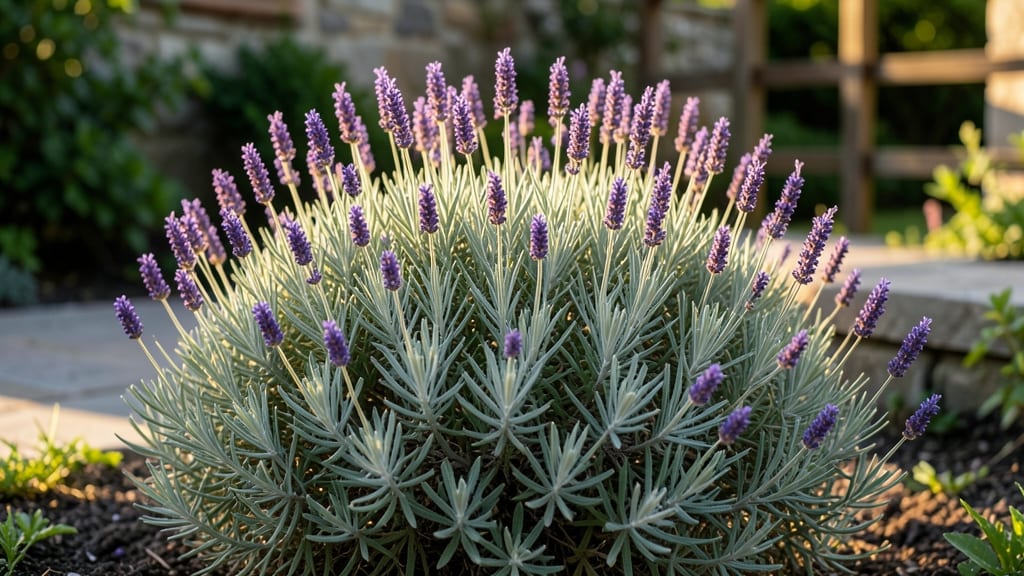
A potted lavender tree brings fragrant height to patios and balconies without the sprawl. 🌿 I’ve grown mine in 15-gallon pots for years, and the key is mimicking its Mediterranean roots—dry soil, bright sun, and minimal fuss.
The trickiest part? Most people drown these drought-lovers, turning their woody stems into sad, leggy sticks.
Start with a terracotta pot (at least 12 inches deep) and cactus mix—lavender hates soggy feet. Plant in early spring, burying the root ball just below soil level, and water only when the top inch is bone-dry.
Too much love kills it faster than neglect. Within weeks, you’ll see those signature silvery-green spikes reaching for the sky.
By summer, your potted lavender will smell like Provence on a breeze—stronger than its bushy cousins—and stay compact with annual pruning. The secret? Trim right after blooming to encourage bushier growth, and move pots indoors before frost (or wrap in burlap).
No winter care? Just remember: lavender’s survival instinct is legendary.
Perfect for small spaces, this tree thrives in partial shade too—just expect fewer blooms. The biggest mistake? Overwatering. Once established, these plants tell you when they’re thirsty: droopy stems mean it’s too late. Stick to the "dry-as-a-bone" rule, and you’ll have fragrant, woody beauty for decades.
📚 In This Guide
- What you need
- Instructions
- Tips and common mistakes
- Wrapping up and next steps
What you need
- ● Potted Lavender Tree: A dwarf or compact variety (e.g., Lavandula angustifolia ‘Hidcote’ or Lavandula dentata), 1-3 years old, with a well-established root system.
- ● Container: A pot with drainage holes, 12–18 inches in diameter and depth (terracotta or ceramic preferred).
- ● Well-Draining Soil: 3–5 gallons of a mix designed for Mediterranean herbs or cacti (e.g., 50% potting soil + 50% perlite/pumice).
- ● Drainage Layer: 1–2 inches of small gravel, pebbles, or broken pottery shards.
- ● Pruning Shears: Sharp, clean shears (sterilize with rubbing alcohol).
- ● Watering Can or Hose: With a gentle spray nozzle.
- ○ Balanced Fertilizer: 5–10–5 or 10–10–10, diluted to half-strength (optional for first year).
- ● Decorative Mulch: Gravel or lava rocks to suppress weeds and retain moisture.
- ● Slow-Release Granules: For a 3–6 month nutrient boost (e.g., Osmocote).
- ● Sunlight Meter: To track light exposure (lavender loves 6+ hours of sun/day).
- ● Support Stake: For top-heavy varieties (bamboo or metal).
- ● Lavender-Scented Candle or Diffuser: To enjoy the aroma while you work!
Step-by-step instructions for growing a lavender tree in pots
Here's how to cultivate a fragrant, manageable lavender tree that thrives in containers while keeping its height in check.
🪴 Step 1: Select the Right Pot and Drainage
Choose a container with drainage holes at least 12-14 inches deep—lavender roots despise soggy conditions. I prefer unglazed terra cotta because it breathes and prevents root rot better than plastic. The pot should be wide enough to accommodate the plant's mature spread, which can reach 3-4 feet for dwarf varieties.
Place a 2-inch layer of gravel or coarse sand at the bottom before adding soil. This ensures excess water drains away from the roots, preventing the fungal issues that often plague potted lavender. If your pot lacks drainage, drill holes yourself—just be sure to cover them with wire mesh to keep soil in place.
🌱 Step 2: Prepare Well-Draining Soil Mix
Lavender thrives in fast-draining, alkaline soil—never use regular garden soil. Mix equal parts potting soil, perlite, and coarse sand (or 50% potting soil and 50% gritty compost). This blend prevents compaction and mimics the rocky Mediterranean conditions lavender loves.
Fill the pot one-third full with your mix, then tap the container gently to settle the soil. Avoid pressing it down too firmly—lavender roots need air pockets to breathe. I always add a slow-release fertilizer (like 10-10-10) at this stage, following the package rate for potted plants.
☀️ Step 3: Plant and Position for Full Sun
Dig a hole in the soil mix twice as wide as the root ball and no deeper—lavender roots are shallow and dislike being buried too deeply. Gently remove the plant from its nursery pot and loosen any circling roots with your fingers. Place it in the hole so the top of the root ball sits just below the pot’s rim. Fill around the roots with more soil mix, pressing lightly to eliminate air pockets.
Lavender needs 6+ hours of direct sunlight daily—a south- or west-facing spot is ideal. If you’re growing it indoors near a window, supplement with a grow light for 12-14 hours per day. Without enough light, stems stretch and flowers become sparse. You’ll know the light is right when new growth stays compact and bushy, not leggy.
💧 Step 4: Water Sparingly and Prune for Shape
Water only when the top 2 inches of soil feel completely dry—lavender is drought-tolerant once established. Overwatering is the #1 killer, so I use a watering can with a narrow spout to direct moisture straight to the roots. After watering, let the pot drain completely; never let it sit in saucers of standing water.
To control height, prune in early spring before new growth begins. Cut back one-third of the previous year’s growth to encourage bushiness. For a tree-like shape, select 3-4 strong stems and remove weaker growth at the base. Use clean, sharp shears to avoid tearing stems—this prevents disease and promotes faster healing.
✂️ Step 5: Maintain Through Seasons
Fertilize once in early spring with a low-nitrogen, high-phosphorus formula (like 5-10-10) to support flowering. Skip fertilizers in summer—they encourage leafy growth at the expense of fragrant blooms. Deadhead spent flowers regularly to encourage continuous blooming from mid-summer through fall.
In winter, reduce watering to once every 3-4 weeks unless your home has dry indoor air. If growing outdoors in cold climates, move pots to a sheltered, unheated space (like a garage) where temperatures stay above 20°F. Lavender is hardy to USDA Zone 5, but potted plants need extra protection from freezing soil.
Tips & tricks for perfect potted lavender trees
Here's what I've learned after years of growing lavender in containers—and how to avoid the mistakes that kill most potted specimens.
Pot Selection Wisdom: The 12-14 inch depth requirement isn't arbitrary—lavender roots grow aggressively downward in search of moisture, and shallow pots cause stress. I've found that wider pots (18+ inches) actually work better for dwarf varieties because they accommodate the plant's mature spread without becoming top-heavy. If using a decorative pot without drainage, nest it inside a cache pot with gravel—this hidden drainage system saves your lavender from root rot without ruining your aesthetic.
The Soil Science: That equal parts potting soil, perlite, and coarse sand mix is non-negotiable—lavender roots need oxygen as much as water. I've ruined plants using regular garden soil because it compacts and suffocates roots. For extra insurance, add a handful of crushed granite to your mix; it mimics the rocky Mediterranean soil lavender evolved in and improves drainage even further. Think of it as creating a miniature rocky hillside in your pot.
Lighting Secrets: The 6+ hours of direct sunlight isn't just about photosynthesis—it's about preventing that dreaded "leggy" growth. I've seen lavender stretch toward windows like a plant reaching for salvation, and it's heartbreaking. If you're growing indoors, position your plant within 2 feet of a south-facing window and supplement with a full-spectrum LED grow light for 12-14 hours. The key visual cue? Healthy lavender should look like it's wearing a compact little sweater—never like it's trying to escape its pot.
Pruning Precision: That one-third prune in early spring isn't just about shaping—it's about forcing the plant to grow bushier rather than tall. I always make my cuts just above a leaf node or side branch to encourage new growth from there. For tree-shaped lavender, I select the 3-4 strongest stems and remove everything else at the base. This creates that elegant, layered look while keeping the plant manageable. And here's the secret: prune on a dry day with clean shears—wet plants and dirty tools invite fungal infections.
Pro Tips for Lavender Tree Potted
- Here's what I've learned after years of growing lavender in containers—and how to avoid the mistakes that kill most potted specimens.
- Pot Selection Wisdom: The 12-14 inch depth requirement isn't arbitrary—lavender roots grow aggressively downward in search of moisture, and shallow pots cause stress.
- The Soil Science: That equal parts potting soil, perlite, and coarse sand mix is non-negotiable—lavender roots need oxygen as much as water.
Frequently asked questions
How often should I water my potted lavender tree?
Water your potted lavender only when the top 1-2 inches of soil feel dry. Overwatering is the #1 killer—these drought-loving plants thrive on neglect! Aim for every 7-10 days in summer (less in winter) and always use a pot with drainage holes to prevent root rot.
When and how should I prune my lavender tree?
Prune right after flowering (late spring/early summer) to encourage bushier growth. Use clean, sharp shears to trim 1/3 of the new growth—never cut into old wood. Avoid heavy pruning in fall/winter, as lavender needs its stems to harden off for winter. Pro tip: Shape it lightly to maintain its tree-like form!
Can I grow a lavender tree indoors, or does it need full sun?
Lavender craves sunlight—place your potted tree in a south-facing window or under grow lights (12+ hours/day) for best results. If indoors, expect slower growth and less fragrance. Outdoor spots with 6+ hours of direct sun (morning sun is ideal) yield the most vibrant blooms.
What’s the best soil mix for a potted lavender tree?
Use a well-draining mix like 50% cactus/succulent soil + 30% perlite + 20% coarse sand. Avoid rich garden soil—lavender hates soggy roots! Add a handful of gravel or pumice to the pot’s bottom for extra drainage. Bonus: A slightly alkaline pH (7.0+) keeps it happy!
Why are my lavender leaves turning yellow or brown?
Yellowing leaves often signal overwatering, while brown tips mean underwatering or low humidity. Check for pests like aphids or spider mites (wipe leaves with soapy water if needed). If the soil smells sour, flush it with water to reset pH. Pro tip: Move your pot to a sunnier spot and adjust watering!
How do I overwinter my potted lavender tree?
Lavender is hardy but needs protection in cold climates (<30°F). Move pots to a garage or sheltered porch (not freezing!). Reduce watering and avoid fertilizing until spring. If temps drop below 20°F, wrap the pot in burlap or bubble wrap for insulation.
Wrapping up and next steps
Growing a lavender tree in a pot is a rewarding way to bring fragrant beauty into small spaces—whether you're a seasoned gardener or just starting out. With the right container, soil mix, and pruning techniques, you can enjoy its stunning blooms and soothing scent year after year.
The key is patience, consistency, and a little love for your fragrant green friend!
Ready to take the next step? Start small—pick your pot, gather your supplies, and give your lavender tree the perfect home. Before you know it, you’ll be savoring its calming aroma and admiring its elegant height, all while keeping your space lush and inviting. Happy gardening! 🌿✨