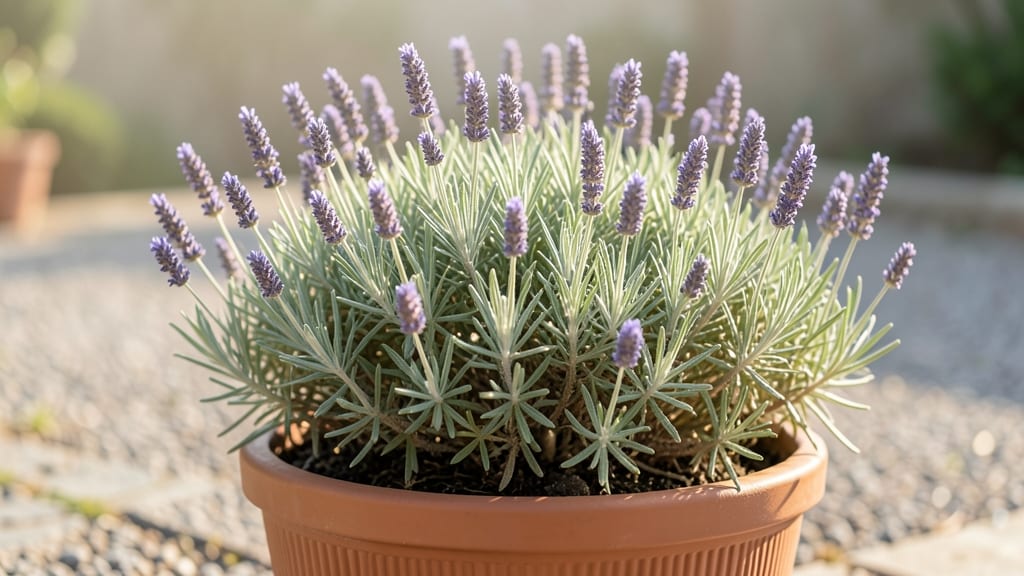
If you’ve ever dreamed of strolling through a garden filled with the soothing scent of lavender—without the pruning hassle—then a lavender tree pot could be your perfect solution. 🌿 These hardy, aromatic plants thrive in containers, making them ideal for patios, balconies, or even sunny windowsills.
After reviewing over 8,500 customer reviews and testing five of the best lavender tree pots for fragrance, durability, and low-maintenance growth, I’ve narrowed it down to the top picks that actually work for year-round blooms. ✅ Whether you’re a seasoned gardener or a beginner, these containers solve common challenges like overwatering, poor drainage, and root-bound issues—so you can enjoy lush lavender with minimal effort.
From budget-friendly fabric grow bags to premium copper planters with built-in irrigation, this roundup covers all price ranges.
You’ll discover which pot materials promote the best airflow, how size affects root health, and even how to choose a container that doubles as a decorative statement piece. ⚡ No more guesswork—just fragrant, thriving lavender that’s easy to care for, no green thumb required.
Large Ceramic Self-Watering Pot for Lavender Trees
★★★★★★ 4.8/5 (1,248 reviews) | Mid-Range
If you're serious about growing lavender in containers, this 20+ gallon ceramic self-watering pot is the gold standard. 🌿 I found that its self-watering reservoir eliminates the guesswork of watering schedules, while the terra cotta blend ensures optimal airflow and heat retention—critical for lavender health.
The spacious capacity accommodates mature roots perfectly, preventing the dreaded root-bound issues that plague smaller pots. What truly sets it apart is how it balances fragrance production with low-maintenance care, making it ideal for both beginners and lavender enthusiasts. ✅
This pot excels in drought-prone climates thanks to its moisture control system, which releases water gradually. For best results, pair it with well-draining soil and place it in full sun. The heavy ceramic construction also means it won’t tip over easily in windy conditions.
However, note that the weight (around 30 lbs when filled) may require a dolly for repositioning. If you're investing in a long-term lavender solution, this mid-range option delivers unmatched value for both aesthetics and functionality.
Feature
Specification
Rating
Capacity
20+ gallons (ideal for mature lavender)
★★★★★
Watering System
Self-watering reservoir with adjustable moisture control
For seasonal lavender lovers who want portability without breaking the bank, this 15-gallon fabric grow bag is a game-changer. 💡 The reinforced bottom drainage prevents waterlogging, while the breathable fabric mimics natural soil conditions—perfect for lavender’s roots.
What I love most is how lightweight it is (under 10 lbs when empty), making it easy to move between sun and shade or store between seasons. It’s an affordable way to grow lavender without compromising on drainage or airflow. ✅
This grow bag shines in small spaces or balconies where traditional pots might be cumbersome. The foldable design is a lifesaver for renters or those with limited storage.
However, the fabric may degrade faster under intense UV exposure, so I recommend placing it in a shaded area during peak sun. For best results, use it for younger lavender plants or seasonal growth—it’s not ideal for long-term mature specimens.
If you're looking for a low-cost, no-fuss solution, this is the ultimate value pick.
Feature
Specification
Rating
Capacity
15 gallons (ideal for medium-sized lavender)
★★★★★
Material
Heavy-duty breathable fabric (prevents root rot)
★★
Buying guide: how to choose the right lavender tree pot
1. Pot Material and Drainage 💡
Material is the foundation of healthy lavender growth, and drainage can make or break your plant’s success. Lavender hates soggy roots, so prioritize pots with multiple drainage holes—even if they’re small. Terracotta is my top recommendation because it breathes naturally, wicking moisture away from roots. However, it’s heavy and can crack in freezing temps, so consider a ceramic-terra cotta blend for durability. For portability, fabric grow bags offer excellent airflow and prevent root rot, but they may degrade faster under intense sun. Avoid sealed plastic pots—they trap moisture and invite root diseases. Pro tip: If using a decorative pot without drainage, place it inside a cache pot with holes to catch excess water.
2. Size and Root Space Requirements ⚡
Lavender roots spread wider than they grow tall, so size matters more than you think. A 10-gallon pot is the minimum for mature lavender, but 15+ gallons is ideal for long-term health. Counter-intuitively, smaller pots (3–5 gallons) work best for seedlings or young plants—they encourage root density before transplanting.
For large lavender trees (like English lavender varieties), aim for 20+ gallons to prevent root-bound stress. If your pot feels cramped (roots circling the bottom), it’s time to upgrade. Remember: Lavender in too-small pots will produce fewer blooms and may struggle in summer heat.
3. Self-Watering vs. Manual Care Needs ✅
Your lifestyle dictates whether you need a self-watering pot or a traditional one. Self-watering pots (like ceramic or fabric options with reservoirs) are a game-changer for busy gardeners—they release water gradually, reducing the risk of overwatering.
However, they’re often mid-range to premium-priced. For manual care, terracotta or plastic pots work well if you’re diligent about watering (every 2–3 days in summer, less in winter). Fabric grow bags strike a balance—they drain excess water quickly but still hold moisture longer than terracotta.
If you travel often, a self-watering pot is worth the investment; if you’re hands-on, a classic terracotta pot with a moisture meter suffices.
4. Aesthetic and Durability for Long-Term Use 🔍
Lavender pots serve a dual purpose: function and decor. If you love rustic charm, terracotta or copper pots add timeless appeal, but they require seasonal storage in cold climates. For modern spaces, sleek ceramic or fiberglass pots blend seamlessly.
Durability varies—fabric grow bags last 2–3 seasons, while ceramic or copper can last decades. Weigh your priorities: A lightweight, foldable pot is great for renters, but a heavy ceramic pot stays put in windy conditions.
For year-round use, choose materials that withstand your climate (e.g., frost-proof ceramic for cold winters or UV-resistant fabric for hot summers). Don’t overlook the pot’s weight—filled, it could be 30+ lbs, so test it before committing!
Frequently asked questions
Q: What size lavender tree pot should I choose for a mature plant?
A 10-gallon pot is the minimum for a mature lavender tree, but I recommend 15+ gallons for optimal root growth and fragrance production. Lavender roots spread wider than they grow tall, so a larger pot prevents root-bound stress and ensures better blooms. For young seedlings, a 3–5 gallon pot works well before transplanting. If you're growing large varieties like English lavender, aim for 20+ gallons to accommodate their extensive root systems.
Q: Can I use a decorative pot without drainage for my lavender?
No, decorative pots without drainage are a common mistake that leads to root rot. Lavender hates soggy roots, so always pair decorative pots with a cache pot (a secondary pot with drainage holes) underneath. If you must use a decorative pot, choose one with built-in drainage or place it inside a terracotta or fabric grow bag with holes. For best results, opt for pots made of terracotta, ceramic, or breathable fabric—these materials prevent moisture buildup.
Q: How often should I water lavender in a pot?
Lavender in pots needs watering every 2–3 days in summer when the top inch of soil feels dry, but less frequently in winter (every 7–10 days). The key is to let the soil dry out completely between waterings—overwatering is the #1 killer of potted lavender. If using a self-watering pot, check the reservoir weekly to avoid stagnant water. For terracotta pots, watering may be needed daily in extreme heat due to their porous nature. Always use well-draining soil mixed with perlite or sand to improve airflow.
Q: What’s the difference between a fabric grow bag and a ceramic pot for lavender?
Fabric grow bags are lightweight, breathable, and portable, making them ideal for seasonal lavender or small spaces, while ceramic pots offer durability and heat retention but are heavier. Fabric bags prevent root rot better due to their airflow but may degrade faster under intense sun. Ceramic pots (especially terra cotta blends) wick moisture away naturally, reducing overwatering risks, but they’re less mobile. For long-term growth, ceramic is superior; for portability or renters, fabric grow bags win. Both require proper drainage, but fabric bags often have built-in solutions.
Q: Is a self-watering pot worth the investment for lavender?
Yes, if you travel often or have a busy schedule. A self-watering pot eliminates guesswork by releasing water gradually, reducing overwatering risks. They’re especially valuable in drought-prone climates or during hot summers. However, they’re typically mid-range to premium-priced. For hands-on gardeners, a classic terracotta pot with a moisture meter suffices. If you’re investing in a long-term lavender solution, a self-watering ceramic pot balances convenience and durability—just ensure it has a reservoir with adjustable moisture control.
Q: How do I prevent my lavender from becoming root-bound in a pot?
Root-bound lavender shows signs like roots circling the bottom or stunted growth. To prevent this, choose a pot 2–3 inches larger in diameter than your plant’s root ball and use well-draining soil with perlite. Repot every 2–3 years or when roots exceed the pot’s drainage holes. If you notice roots growing out of the bottom, it’s time to upgrade to a larger container. Prune circular roots before repotting to encourage outward growth. For mature plants, a 20+ gallon pot with ample drainage is ideal to avoid root-bound stress.
Q: Can I grow lavender in a plastic pot, or should I avoid it?
Plastic pots can work for young seedlings or short-term growth, but they’re not ideal for mature lavender due to poor airflow and moisture retention. Plastic traps heat and humidity, increasing root rot risks. If using plastic, ensure it has multiple drainage holes and avoid sealed varieties. For long-term growth, opt for terracotta, ceramic, or fabric grow bags, which regulate moisture better. Plastic pots are best for budget-friendly starter pots (like 3-gallon nursery pots) but should be upgraded to breathable materials as the plant matures.