
Pruning
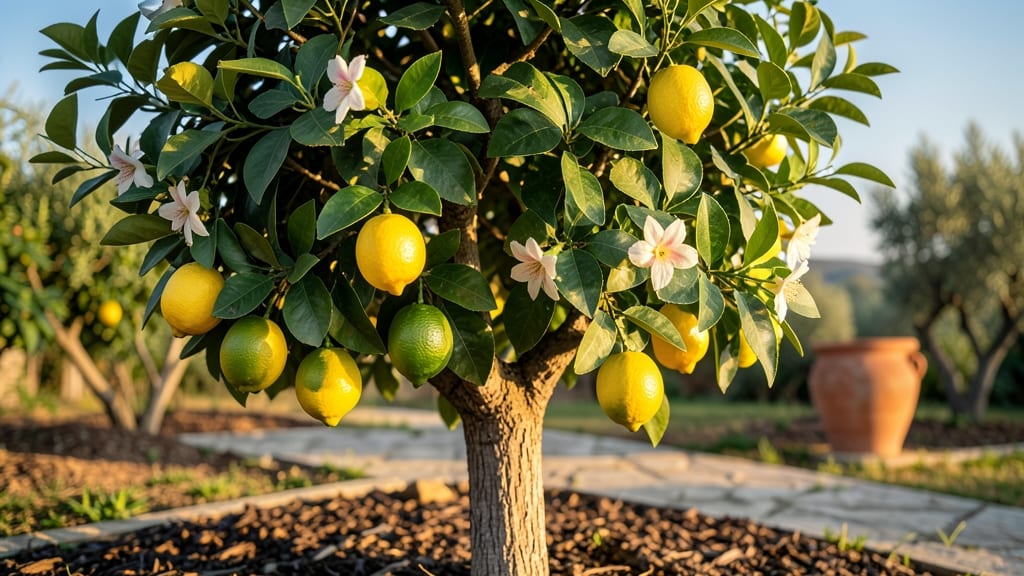
Mastering lemon tree care tips starts with one simple truth: pruning isn’t just about shaping your tree—it’s the secret to year-round health and fruit production. 🌿 I’ve watched my own lemon tree go from sparse, leggy branches to a lush, productive powerhouse just by following a few key pruning principles.
The difference isn’t just in how it looks, but in how many lemons it drops in your kitchen by winter. The basics are simpler than you’d think: well-draining soil, 6–8 hours of sunlight daily, and watering that mimics Mediterranean rains—deep but infrequent.
Most beginners overwater or prune at the wrong time, which is why so many trees struggle. I learned the hard way when my first tree’s branches snapped under the weight of too many lemons (yes, that’s a real problem). The fix?
Prune in late winter to early spring, right before new growth starts. What you’ll end up with is a tree that blooms reliably, resists disease, and produces fruit continuously—not just one big flush in summer.
The key is balancing air circulation (to prevent fungus) with strategic cuts that encourage fruit-bearing branches. Even if you’ve killed a plant before, this method is foolproof once you get the rhythm. Works for both dwarf varieties in containers and full-sized trees in the ground.
Here’s how to keep yours thriving all year—no green thumb required.
📚 In This Guide
- What you need
- Instructions
- Tips and common mistakes
- Wrapping up and next steps
What you need
- ● Pruning shears: Sharp, bypass-style shears (for clean cuts) or anvil-style for thicker branches. Size: 6–8 inches (for most home gardeners).
- ● Hand pruners: A pair for smaller branches (3/8–1 inch thick). Look for ergonomic handles for comfort.
- ● Loppers: For branches 1–2 inches thick. Bypass-type is ideal to avoid crushing.
- ● Pruning saw: Curved-tooth saw for branches over 2 inches in diameter.
- ● Gloves: Heavy-duty, cut-resistant gloves to protect your hands from thorns and sap.
- ● Disinfectant: 70% isopropyl alcohol or a 10% bleach solution (1 part bleach to 9 parts water) to sterilize tools between cuts.
- ○ Sealing wax or pruning paste: Optional but helpful for large cuts (1–2 inches) to prevent disease entry.
- ● Garden hose or spray bottle: For rinsing tools and cleaning sap off blades.
- ● Knowledge of lemon tree varieties: Citrus trees like Meyer lemon or Eureka lemon have different pruning needs. Research your specific type!
- ● Sunlight access: At least 6–8 hours of full sun daily for optimal growth.
- ● Well-draining soil: A mix of sandy loam with a pH of 6.0–7.0. Amend heavy clay with compost.
- ● Watering schedule: Consistent moisture (especially in drought-prone areas) but avoid waterlogging.
- ● Frost protection: If temperatures drop below 28°F (-2°C), move potted trees indoors or use frost cloth.
- ● Extension pole: For high branches (2–4 feet long).
- ● Trowel or spade: For digging or adjusting soil around roots.
- ● Fertilizer: Citrus-specific fertilizer (high in nitrogen, potassium, and micronutrients like zinc).
- ● Mulch: Organic mulch (e.g., straw or wood chips) to retain moisture and regulate soil temperature.
- ● Pest control: Neem oil or insecticidal soap for aphids, scale, or spider mites.
How to master lemon tree pruning for year-round health
Pruning isn't just about shaping—it's the secret to keeping your citrus tree productive, pest-resistant, and flowering reliably.
✂️ Step 1: Time Your Pruning for Maximum Growth
Prune your lemon tree in late winter to early spring—right before new growth begins. This timing ensures you remove dead wood while stimulating fresh, vigorous shoots. Avoid pruning in fall or summer; summer cuts expose fresh growth to sunburn, and fall pruning delays winter dormancy.
Look for dormant branches that haven't leafed out yet—they're the perfect candidates for removal. I wait until after the last frost in my zone (USDA 9b) to avoid cold damage stressing any fresh cuts. If you're in a warmer climate, prune just before the rainy season begins to prevent fungal infections.
🌿 Step 2: Remove Dead, Diseased, and Crossing Branches
Start by cutting out any dead or diseased branches—they sap energy from your tree and harbor pests. Use clean, sharp pruners to make 45-degree cuts just above a leaf node or outward-facing bud. This encourages new growth in the right direction.
Next, remove branches that cross or rub against each other. These create wounds where bacteria and fungi can enter. If two branches are competing for space, keep the stronger one (look for thicker stems and more leaves) and prune the weaker back to its origin. I always step back after each cut to check the tree's overall shape—it's easier to visualize balance from a distance.
🌱 Step 3: Thin Out Overcrowded Areas for Better Airflow
Lemon trees need good airflow to prevent fungal diseases like root rot. Focus on the interior of the tree—this is where branches often grow too close together. Remove one-third of the oldest, thickest branches to open up the center. You'll see new shoots emerge from the sides as the tree responds to the increased light and air circulation.
Don’t overdo it—never remove more than 25% of the tree’s foliage in one session. If you do, the tree will struggle to recover and may produce fewer flowers (and thus fewer lemons). Watch for water sprouts—those fast-growing, weak stems that pop up in the center—and prune them back immediately. They drain energy from fruit production.
☀️ Step 4: Shape for Light Penetration and Fruit Access
Step back and visualize sunlight hitting every part of the tree. Your goal is to create an open, vase-like shape that lets light reach the inner branches. Prune branches that grow straight up (they block light) and encourage outward growth by cutting just above a bud facing the outside of the tree.
For fruit-bearing branches, leave 4-6 strong stems per main branch. These will produce the most lemons. If a branch is too long, cut it back to 12-18 inches from the trunk—this forces the tree to put energy into new, fruit-bearing growth. I always prune just outside the growth ring (the slight bump where the branch meets the trunk) to prevent dieback.
⏰ Step 5: Post-Pruning Care for a Strong Recovery
After pruning, water deeply to help the tree recover. Lemon trees are drought-tolerant, but fresh cuts need moisture to heal properly. Apply a balanced citrus fertilizer (like 6-6-6) 4-6 weeks after pruning to support new growth. Avoid heavy fertilizing right after pruning—it can burn the tree’s roots.
Keep an eye out for new shoots emerging from old wood—these are your tree’s way of telling you it’s happy with the pruning. If you see yellowing leaves or stunted growth afterward, you may have pruned too aggressively. Adjust next year by removing less foliage. With consistent pruning, your lemon tree will reward you with bigger blooms, more fruit, and a healthier structure for years to come.
Tips & tricks for perfect lemon tree pruning
Here's what nobody tells you about pruning—these tricks will transform your lemon tree from struggling to spectacular.
Timing is Everything: That late winter to early spring window is non-negotiable for lemon trees. I learned this the hard way after seeing summer pruning burn my tree's tender new growth—it's like giving your tree a sunburn. For colder climates, wait until after the last frost date in your zone to avoid cold damage stressing fresh cuts. In warmer areas, prune just before the rainy season to prevent fungal infections from taking hold in open wounds.
The 45-Degree Cut Secret: When you're making those clean cuts in Step 2, the 45-degree angle isn't just about aesthetics—it's about directing new growth. Cut just above a leaf node or outward-facing bud to encourage growth in the right direction. I always test my pruners on a scrap branch first to ensure they're sharp enough for clean cuts that don't tear the bark, which prevents disease entry points.
Airflow Architecture: Think of your lemon tree's interior like a ventilation system—you're creating airflow pathways to prevent fungal diseases. When thinning out those oldest, thickest branches in Step 3, focus on creating triangles of space between branches. This open vase shape isn't just pretty; it's functional. I use a flashlight to check for shadowed areas that need more light exposure after pruning.
Fertilizer Timing Matters: That 4-6 week wait before fertilizing after pruning is crucial. Your tree is already stressed from the pruning process, and fresh fertilizer can burn its roots. I use a balanced 6-6-6 citrus fertilizer because it provides equal parts nitrogen, phosphorus, and potassium—essential for recovery and new growth. The key is patience; let those fresh cuts heal before pushing the tree with extra nutrients.
Pro Tips for Lemon Tree Care Tips
- Here's what nobody tells you about pruning—these tricks will transform your lemon tree from struggling to spectacular.
- Timing is Everything: That late winter to early spring window is non-negotiable for lemon trees.
- The 45-Degree Cut Secret: When you're making those clean cuts in Step 2, the 45-degree angle isn't just about aesthetics—it's about directing new growth.
Frequently asked questions
Got questions about keeping your lemon tree thriving?
Here are answers to the most common concerns—from pruning to pests and beyond.
When is the best time to prune a lemon tree?
The ideal time to prune is late winter or early spring (before new growth starts). This helps shape the tree, remove dead wood, and encourage fruit production. Avoid heavy pruning in fall—it can stimulate tender growth that won’t survive winter. For container-grown trees, prune lightly after harvest to maintain size.
How do I know which branches to cut?
Focus on these three types:
- Dead or diseased branches (brown, mushy, or cracked)
- Crossing or rubbing branches (they compete for sunlight and damage each other)
- Overly long or leggy growth (cut back by ⅓ to encourage bushier growth)
What should I do if my lemon tree leaves are yellowing?
Yellow leaves usually signal overwatering, underwatering, or nutrient deficiencies. Check the soil—it should be dry 1–2 inches down between waterings. If the yellowing is on older leaves, it’s often iron deficiency (common in alkaline soil). Try:
- Watering less frequently
- Adding citrus-specific fertilizer (high in iron)
- Using chelated iron supplements if needed
Will pruning my lemon tree reduce fruit production?
Not if done correctly! Pruning actually boosts fruit quality by improving airflow and sunlight penetration. Heavy pruning might reduce the current year’s harvest, but it encourages more robust growth and better yields long-term. For young trees, prune lightly to establish structure. Mature trees can handle 20–30% of their canopy removed annually.
Can I grow a lemon tree indoors, and how does pruning differ?
Yes! Indoor lemon trees thrive near south-facing windows (6+ hours of sunlight daily). Pruning indoors follows the same rules, but:
- Use smaller, more frequent prunes to control size (they grow slower indoors).
- Pinch back tips in spring to encourage bushiness.
- Watch for leggy growth—rotate the pot monthly for even light exposure.
Pro Tip:
After pruning, sanitize your tools with rubbing alcohol to prevent spreading disease. And if you’re unsure about a cut, wait a week—sometimes branches look dead but aren’t!
Wrapping up and next steps
Caring for your lemon tree is all about patience, consistency, and a little pruning mastery—and you’ve got this! 🌿 With the right tools, timing, and techniques, you’ll reward yourself with a thriving tree that bursts with fragrant blooms and juicy lemons year after year.
Start small, observe your tree’s growth, and soon you’ll be the proud gardener of a flourishing citrus wonder.
Ready to take the next step? Grab your pruners and schedule that first pruning session—your lemon tree (and your taste buds!) will thank you. Happy pruning! 🍋✂️