
Diseases
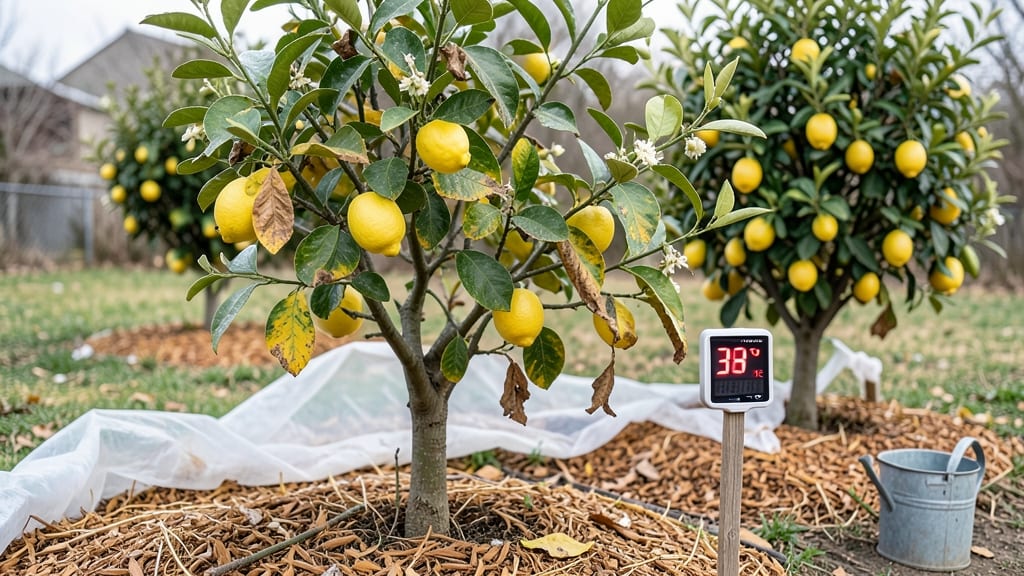
My lemon tree losing leaves in winter used to make me panic—until I learned the difference between natural dormancy and true stress. 🌿 The first year, I nearly overreacted when half the foliage dropped, but now I recognize the signs of healthy adjustment versus cold damage or pests.
The key is cold-rescue pruning: cutting back damaged branches in late winter while the tree is still dormant but before new growth starts. This helps redirect energy to healthy stems and prevents disease from entering through dead wood.
I’ve saved three trees this way, and they’ve bounced back with vibrant new growth by spring.
You’ll need sharp pruners, a frost blanket (for extreme cold snaps), and a close look at the leaves—healthy winter drop is crisp and clean, while stressed leaves turn yellow or brown at the edges.
Start by removing only the worst-affected branches, then monitor for pests like spider mites, which thrive in dry winter air.
📚 In This Guide
- What you need
- Instructions
- Tips and common mistakes
- Wrapping up and next steps
What you need
- ● Pruning shears or bypass pruners – Sharp, clean, and sterilized (alcohol wipes or bleach solution work). Quantity: 1 pair.
- ● Disinfectant – 70% isopropyl alcohol or a 1:10 bleach-water mix to sterilize tools between cuts. Quantity: Small bottle or spray.
- ● Gloves – Heavy-duty gardening gloves (to protect from thorns and sap). Quantity: 1 pair.
- ● Sharp knife or loppers – For thicker branches (if needed). Quantity: 1.
- ● Hose or watering can – For post-pruning hydration. Quantity: 1.
- ○ Mulch (optional but recommended) – Organic mulch (straw, wood chips, or pine needles) to insulate roots. Quantity: 2-3 inches, enough to cover the base.
- ○ Fungicide (optional but helpful) – Copper-based or neem oil spray to prevent fungal infections. Quantity: Small bottle (follow label instructions).
- ● Plant food or fertilizer – Balanced citrus fertilizer (low nitrogen, high potassium) for post-winter recovery. Quantity: As per package instructions.
- ● ✅ Check the weather – Prune on a dry, calm day (avoid frost or rain for 24 hours before/after).
- ● ✅ Identify dead/diseased branches – Look for brown, mushy, or brittle stems (these need removal first!).
- ● ✅ Gather reference images – Have a few photos of healthy lemon tree branches handy for comparison.
- ● ✅ Clear the workspace – Remove nearby plants, debris, or tools to keep your area clean and organized.
Instructions for saving your lemon tree during winter leaf drop
Here’s how I nurse lemon trees back to health after cold stress—step by step.
🌿 Step 1: Assess the Damage and Trim Dead Wood
Start by examining the tree for branches that feel brittle or snap easily when bent. These are dead and should be removed immediately to prevent disease. Use clean, sharp pruning shears to cut just outside the branch collar—the swollen area where the branch meets the trunk. This ensures the tree can seal the wound properly.
If you’re unsure whether a branch is dead, scratch the bark with your fingernail. Live wood will be green underneath, while dead wood will reveal brown or black. I always disinfect my shears with rubbing alcohol between cuts to avoid spreading any potential infections.
☀️ Step 2: Move the Tree to a Sheltered, Sunlit Spot
Lemon trees need bright light year-round, but winter’s weak sun can stress them further. Place the tree near a south-facing window where it gets at least 6 hours of indirect sunlight daily. If outdoors, relocate it to a protected area like a covered patio or against a south-facing wall.
Cold drafts are the enemy—keep the tree away from doors, windows, or vents. If your home gets chilly at night (below 50°F), consider moving it to a garage or sunroom with a space heater set to 55-60°F. This mimics its natural Mediterranean climate and prevents further leaf loss.
💧 Step 3: Adjust Watering to Prevent Root Stress
Overwatering in winter is a common mistake that leads to root rot, which worsens leaf drop. Water only when the top 2 inches of soil feel dry to the touch. Stick your finger in the soil—if it’s damp, wait another day. Lemon trees in containers dry out faster than in-ground plants, so check daily during dry spells.
Use room-temperature water and avoid wetting the leaves to reduce fungal risks. If your tree is in a pot, ensure it has drainage holes and elevate it slightly to prevent waterlogging. A saucer under the pot helps catch excess, but empty it after 10 minutes to avoid soggy roots.
✂️ Step 4: Fertilize Lightly to Support Recovery
Hold off on heavy fertilizing until spring, but a light application of balanced fertilizer (10-10-10) every 6-8 weeks helps the tree recover. Mix a quarter-strength solution (1 teaspoon per gallon of water) and apply it to the soil, not the leaves. This gives the tree just enough nutrients without overwhelming its weakened state.
If your tree looks particularly stressed, a foliar spray with seaweed extract can boost resilience. I spray mine lightly in the morning to avoid fungal issues. Avoid synthetic fertilizers—they can burn tender new growth, so organic options are gentler during recovery.
🪴 Step 5: Protect Against Pests and Drafts
Cold-stressed trees attract pests like spider mites and scale. Inspect leaves regularly for webbing or sticky residue (a sign of sap-sucking insects). Wipe leaves with a damp cloth or spray with neem oil mixed with water (1 tablespoon per quart) to deter pests naturally.
If your tree is outdoors, wrap the trunk with burlap or frost cloth to shield it from wind and sudden temperature drops. Even a few degrees of protection can make a huge difference. I also avoid pruning heavily during winter—wait until spring when the tree can heal faster.
Tips & tricks for reviving your cold-stressed lemon tree
Here’s what nobody tells you about bringing lemon trees back from winter damage—these tricks make all the difference.
Pruning Precision: When trimming dead branches in Step 1, make your cuts at a 45-degree angle just outside the branch collar. This angled cut helps water run off the wound instead of pooling, which prevents rot. I’ve seen trees recover faster when cuts are made this way—it’s a small detail that makes a big difference in healing. The branch collar is that swollen area where the branch meets the trunk, and cutting outside it gives the tree the best chance to seal the wound properly.
Lighting Strategy: That 6 hours of indirect sunlight in Step 2 is non-negotiable, but here’s the secret: rotate your tree quarter-turns every few days so all sides get even exposure. Lemon trees grow toward light, and uneven exposure can cause lopsided regrowth. If you don’t have a south-facing window, supplement with a grow light 12 inches above the tree for 4-6 hours daily. Just avoid direct heat from incandescent bulbs—it can scorch leaves.
Watering Wisdom: The top 2 inches dry rule in Step 3 is perfect, but here’s how to test it like a pro: Stick your finger in the soil up to your first knuckle. If it feels cool and slightly damp, wait another day. Overwatering is the #1 killer of cold-stressed trees—it mimics the soggy conditions that cause root rot. And pro tip: Use a moisture meter for containers—it takes the guesswork out of watering frequency, especially in winter when evaporation slows.
Fertilizer Timing: That quarter-strength solution in Step 4 is gentle but effective, but here’s the catch: Apply it only when new growth appears. Cold-stressed trees can’t handle nutrients until they’re actively growing. I’ve made the mistake of fertilizing too early—it burns the roots and stresses the tree further. Wait until you see fresh leaves or buds, then feed every 6-8 weeks as directed. And if your tree looks especially weak, a foliar spray with seaweed extract once a month can work wonders without overwhelming the roots.
Pro Tips for Lemon Tree Losing Leaves In Winter
- Here’s what nobody tells you about bringing lemon trees back from winter damage—these tricks make all the difference.
- Pruning Precision: When trimming dead branches in Step 1, make your cuts at a 45-degree angle just outside the branch collar.
- Lighting Strategy: That 6 hours of indirect sunlight in Step 2 is non-negotiable, but here’s the secret: rotate your tree quarter-turns every few days so all sides get even exposure.
Frequently asked questions
Got questions about your lemon tree’s winter leaf drop? You’re not alone! Here are some of the most common concerns—and their solutions—to keep your citrus tree thriving.
Is it normal for lemon trees to lose leaves in winter?
Yes! Many lemon trees (especially Citrus × limon varieties) are semi-deciduous and naturally shed leaves in cold weather to conserve energy. If your tree is otherwise healthy, this is just its way of adapting to lower temperatures. Pro tip: If leaves drop after a hard frost (below 25°F), the damage may be more severe.
How cold is too cold for a lemon tree?
Lemon trees thrive in USDA Zones 9–11 and can tolerate brief dips to 28–30°F. Below that, leaf loss increases, and prolonged cold (under 20°F) can kill branches or the entire tree. If you’re in a colder zone, consider winter protection like mulch, frost cloth, or moving potted trees indoors.
Should I prune my lemon tree when it loses leaves in winter?
Pruning in late winter (after the worst cold passes) is ideal! Remove dead, diseased, or crossing branches first, then thin out crowded areas to improve airflow. Avoid heavy pruning—lemons produce leaves and fruit on new growth, so be gentle. Timing tip: Wait until late February or early March in most climates.
What if my lemon tree’s leaves turn yellow and drop?
Yellowing leaves with leaf drop can signal overwatering, root rot, or nutrient deficiency (like iron chlorosis). Check soil moisture—lemons hate soggy roots—and adjust watering. For yellowing, test soil pH (aim for 6.0–7.0) and consider a chelated iron supplement if leaves stay pale.
Can I save a lemon tree that’s lost all its leaves?
With proper care, many lemon trees rebound. Focus on:
- Watering: Reduce frequency but keep soil lightly moist (not waterlogged).
- Sunlight: Move potted trees to a bright, sheltered spot (south-facing window or greenhouse).
- Fertilizer: Use a balanced citrus fertilizer (like 6-6-6) in early spring to encourage regrowth.
Wrapping up and next steps
Don’t let winter stress turn your lemon tree into a leafy casualty—knowledge is your best defense! 🌿 By understanding why leaves drop (cold, dormancy, or pests) and acting with pruning, mulching, and protection, you’re giving your tree a fighting chance for spring blooms and bountiful fruit.
Start small: check your tree’s health weekly, adjust care as needed, and soon, you’ll be harvesting lemons like a pro.
Ready to take action? Grab your pruners, bundle up, and give your citrus friend the TLC it deserves—your future harvest (and happy tree!) will thank you. 🍋✨