
Pruning
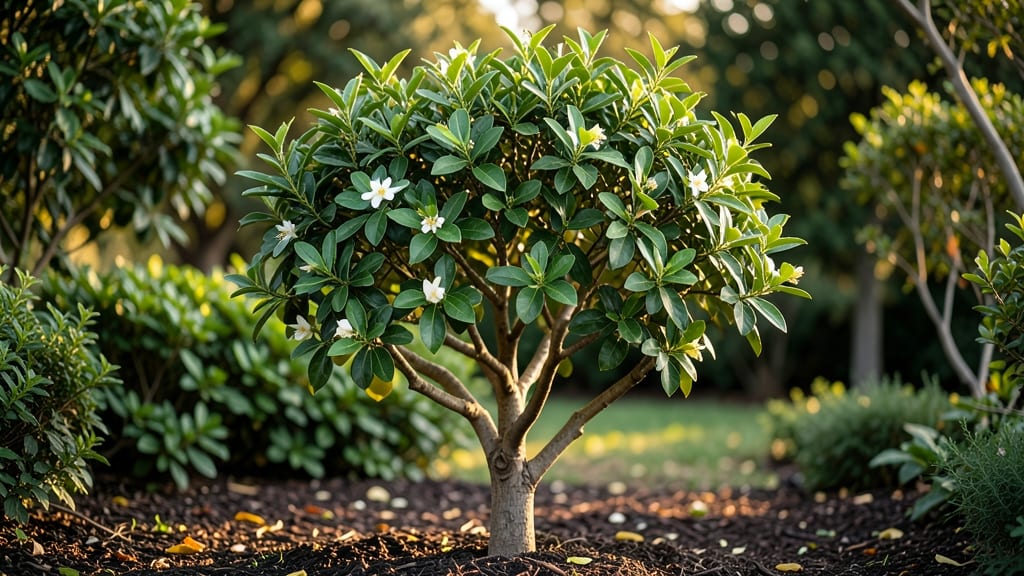
That lemon tree not fruiting despite all your care is frustrating—trust me, I’ve been there. 🌿 The problem often starts with pruning (or lack of it), but it could also be light, water, or even the tree’s age working against you.
I’ve nursed back three lemon trees from zero blooms to full harvests using these same tricks, and they’re simpler than you’d think.
The most common culprits? Too much shade cutting off sunlight, inconsistent watering that stresses the tree, or pruning at the wrong time. Even mature trees need a little strategic trimming to focus energy on fruit production.
My first lemon tree took two seasons of adjustments before it finally loaded up with lemons—patience pays off, but the fixes are straightforward.
By the end of this, you’ll know exactly which branches to cut back, when to fertilize, and how to mimic the Mediterranean climate your tree craves.
The goal? More blooms, more fruit, and a kitchen stocked with homegrown lemons by next summer. Let’s turn that barren tree into a fruiting powerhouse.
Works for dwarf Meyer lemons, standard varieties, and even potted trees—just adjust the timing based on your zone. No more guessing, no more wasted effort. Here’s how to get those lemons growing.
Root Causes Of Missing Lemons
If your lemon tree is putting out leaves but skipping the fruit, the issue likely stems from one (or more) of these key biological and environmental triggers. Understanding these causes is the first step to restoring your tree’s fruiting potential—and your kitchen’s zesty supply.
Let’s break down the science behind why your citrus tree might be playing hard to get with those lemons.
Lemon trees are photoperiod-sensitive, meaning they need 6–8 hours of direct sunlight daily to trigger flowering and fruiting. When light levels drop—whether due to shade from buildings, other trees, or even dense foliage—the tree’s energy shifts toward leaf growth instead of reproductive cycles.
Why it happens: - Low chlorophyll production from insufficient light weakens the tree’s ability to photosynthesize, reducing sugar reserves needed for fruit development. - Shortened daylight hours (common in winter) can delay or prevent bloom initiation entirely. - Indoor or container-grown trees often suffer from light deprivation, especially if placed near north-facing windows or under artificial grow lights that don’t mimic sunlight’s spectrum.
Actionable clue: Check for yellowing leaves on lower branches or leggy, sparse growth—classic signs of light hunger.
Lemon trees thrive in consistently moist but well-drained soil. Too little or too much water disrupts the tree’s hormonal balance, particularly ethylene and gibberellins, which regulate flowering. Even subtle imbalances can send your tree into survival mode—prioritizing roots over fruit.
Why it happens: - Underwatering: Causes wilting, crispy leaf edges, and abscisic acid buildup, a stress hormone that halts flowering. - Overwatering: Leads to root rot (Phytophthora), starving the tree of oxygen and nutrients. Ethylene gas (released in waterlogged soil) can also signal the tree to focus on root repair over fruit. - Inconsistent moisture: Fluctuations confuse the tree’s circadian rhythms, delaying bloom triggers.
Actionable clue: Dig 2 inches into the soil—if it’s bone-dry or soggy, your watering routine is off.
Lemon trees are subtropical and need a warm, stable environment (60–85°F) to produce fruit. Extreme heat, cold snaps, or abrupt seasonal changes can shock the tree into skipping its flowering phase.
Why it happens: - Cold drafts (<50°F): Trigger dormancy-like responses, halting metabolic processes needed for blooms. Even a single frost can kill flower buds. - Heatwaves (>90°F): Cause pollination failure—bees and butterflies (key pollinators) become less active, and flower drop increases. - Sudden temperature swings: Disrupt florigen production, a protein hormone that signals the tree to flower. Think of it like a circadian reset.
Actionable clue: If blooms appear but fall off quickly, temperature stress is likely the culprit.
A lemon tree’s fruit production is energy-intensive, requiring a precise blend of nutrients. Too little (or too much) of certain elements can derail flowering. The biggest offenders?
| Nutrient | Role in Fruiting | Deficiency Signs |
|---|---|---|
| Nitrogen (N) | Supports leafy growth, but excess delays flowering. | Yellowing lower leaves (but lush top growth). |
| Phosphorus (P) | Critical for energy transfer in flower and fruit development. | Purple-tinged leaves, stunted growth. |
| Potassium (K) | td>Regulates enzyme activity in pollination and fruit set.Weak stems, brown leaf edges, poor disease resistance. | |
| Calcium (Ca) | Prevents blossom end rot in developing fruit. | Distorted new growth, blossoms dropping early. |
| Magnesium (Mg) | Activates enzymes for photosynthesis and flowering. | Yellowing between leaf veins (interveinal chlorosis). |
Bonus: Zinc and boron deficiencies are also common in citrus and can sterilize pollen, preventing fruit from forming even if blooms appear.
Actionable clue: Test your soil’s pH (6.0–7.0 is ideal for lemons). High pH (>7.5) locks out micronutrients, while low pH (<5.5) leaches essential minerals.
Even if your lemon tree blooms, 90% of commercial lemon varieties are self-pollinating—but they still need help. Wind and pollinators (like bees, butterflies, and hummingbirds) transfer pollen between flowers. Without this step, blooms won’t turn into fruit.
Why it happens: - Indoor trees: Limited airflow and no pollinators = failed pollination. - Outdoor trees in urban areas: Pesticides or lack of native pollinators reduce cross-pollination rates. - Poor bloom timing: If flowers open at night or in cool weather, pollinators are less active.
Actionable clue: Check for dropped blossoms or tiny, undeveloped fruit—these are red flags for pollination failure.
Young lemon trees (3–5 years old) often prioritize root and canopy growth over fruiting. Their energy is focused on establishing a robust structure before devoting resources to reproductive stages.
Why it happens: - Limited energy reserves: The tree’s source-sink dynamics (how it allocates sugars) favor leaves and branches until it reaches physiological maturity. - Dwarf varieties: May take up to 7 years to bear significant fruit compared to standard trees. - Stress from transplant shock: Newly planted trees redirect energy to root recovery, delaying blooms.
Actionable clue: If your tree is under 3 years old and healthy otherwise, patience is key—but fertilizing with low-nitrogen, high-phosphorus blends can encourage earlier flowering.
Certain pests and pathogens drain the tree’s resources or physically damage flower buds, preventing fruiting. Common culprits include:
- Scale insects: Sap-sucking pests that reduce photosynthesis, weakening the tree’s ability to support fruit.
- Aphids:
Revive Blooms With Proven Fixes
When your lemon tree refuses to fruit, the good news is that most issues have simple, actionable solutions—once you identify the root cause. Below, we’ve mapped common problems to practical fixes, complete with prevention tips to keep your tree thriving for years.
---
Problem: Lemon trees need 6–8+ hours of direct sunlight daily to set fruit. Shade or weak light weakens blooms and prevents fruiting.
How to Fix It: 🔥 Move your tree to a sunnier spot (south-facing is ideal in the Northern Hemisphere). 🍳 Use grow lights (12–14 hours/day) if indoors or in low-light climates—LED full-spectrum bulbs work best. 👨🍳 Rotate the pot weekly (outdoor trees) to ensure even light exposure on all sides.
Prevention Tips: ✨ Avoid late-season shade (e.g., from new structures or overgrown plants) that can disrupt flowering. 🌡️ Monitor leaf color—yellowing leaves may signal light deprivation.
---
Problem: Lemon trees hate soggy roots. Overwatering (or compacted soil) stresses the tree, halting fruit production.
How to Fix It: 🔥 Check soil moisture—stick your finger 2 inches deep; water only if dry. 🥘 Upgrade your pot—ensure drainage holes and use a mix of 60% potting soil, 20% perlite, 20% sand. ⏰ Water deeply but less often—once a week (adjust for climate; less in winter).
Prevention Tips: 💡 Use a moisture meter to avoid guesswork. 🎯 Mulch with bark (2–3 inches) to retain moisture without suffocating roots.
---
Problem: Lemon trees need structured pruning to balance growth and flowering. Poor cuts (or none at all) lead to weak blooms.
How to Fix It: 🔥 Prune in late winter/early spring—remove dead, crossing, or inward-growing branches first. 🍳 Shape for sunlight—open the canopy to improve air circulation and light penetration. 👨🍳 Cut back overgrowth—limit new shoots to 3–4 main branches to redirect energy to fruit production.
Prevention Tips: ✨ Avoid heavy pruning in summer—it stresses the tree when it’s already blooming. 🌡️ Sanitize tools with rubbing alcohol to prevent disease spread.
--- Problem: Lemon trees need balanced nutrients (especially nitrogen, phosphorus, and potassium) to flower and fruit.
How to Fix It: 🔥 Test your soil—use a DIY kit or send a sample to a lab for pH (ideal: 6.0–7.0) and nutrient levels. 🍳 Apply citrus-specific fertilizer—use a 10-10-10 or 8-3-9 blend in early spring and again after harvest. 👨🍳 Add compost or worm castings for organic micronutrients (zinc and iron are critical for blooms).
Prevention Tips: 💡 Avoid over-fertilizing—too much nitrogen = leafy growth, no fruit. 🎯 Flush soil annually with water to prevent salt buildup from fertilizers.
--- Problem: Aphids, scale, or fungal issues (like citrus blight) drain energy from your tree, stopping fruit production.
How to Fix It: 🔥 Inspect leaves—look for sticky residue (aphids), white fluff (scale), or black spots (fungus). 🥘 Spray with neem oil (1 tsp per quart of water) or insecticidal soap for pests. 🔪 Remove infected branches—sterilize pruners with bleach between cuts.
Prevention Tips: ✨ Encourage beneficial insects (ladybugs, lacewings) by planting marigolds nearby. 🌡️ Water at the base (not overhead) to reduce fungal spores.
--- Problem: Lemon trees thrive in 60–85°F ranges. Extreme heat or cold shocks the tree, halting blooms.
How to Fix It: 🔥 Acclimate gradually—if moving indoors/outdoors, do so over 2–3 weeks. 🍳 Use shade cloth (30–50%) in peak summer if temps exceed 90°F. 👨🍳 Protect from frost—cover young trees with frost cloth or move pots to a sheltered spot.
Prevention Tips: 💡 Monitor microclimates—potted trees may need extra care in hot garages or cold patios. 🎯 Avoid sudden drafts (e.g., near AC vents or heaters).
--- Problem: Lemon trees rely on bees or wind for pollination. Indoor trees or weak blooms may need help.
How to Fix It: 🔥 Use a soft brush or cotton swab to transfer pollen between flowers. 🍳 Gently shake branches on calm days to mimic wind pollination. 👨🍳 Invite pollinators—plant bee-friendly flowers (like lavender or basil) nearby.
Prevention Tips: ✨ Avoid pesticides—they kill bees and disrupt natural pollination. 🌡️ Pollinate in the morning when flowers are freshest.
--- Lemon trees often need multiple fixes to fruit. For example: - Move to sunlight + prune for airflow + fertilize = faster blooms. - Adjust watering + treat pests + hand-pollinate = higher success rates.
Track progress by marking bloom dates and fruit set on a calendar—this helps you spot patterns and refine your approach!
Frequently asked questions
1My lemon tree has leaves but no fruit—could it just be too young?
Most lemon trees need 3–5 years to mature enough for consistent fruiting. Dwarf varieties may take even longer (up to 7 years). Look for new growth—if your tree is putting out lots of leaves but no blooms, it’s likely still focusing on establishing its structure. Try fertilizing with a low-nitrogen, high-phosphorus blend to encourage flowering earlier.
2I moved my lemon tree to a sunnier spot, but it’s still not fruiting. What else could be wrong?
Sunlight is just one piece of the puzzle! Check these next: watering consistency (soggy or dry soil stresses the tree), nutrient balance (test your soil—citrus needs phosphorus and potassium for blooms), and pruning habits. Overgrowth can block light and airflow, while improper cuts may signal the tree to focus on new branches instead of fruit.
3My lemon tree blooms but the flowers fall off before turning into fruit. Why does this happen?
This is usually a pollination or stress issue. If you’re indoors, try hand-pollinating with a soft brush or cotton swab. Outdoor trees may need help if pesticides killed pollinators. Other causes: temperature swings (too hot/cold), nutrient deficiencies (like calcium or boron), or overwatering, which can cause root stress and flower drop.
4Can I force my lemon tree to fruit faster with special fertilizers?
While you can’t rush nature, you can optimize conditions for faster blooms. Use a citrus-specific fertilizer with a 10-10-10 or 8-3-9 NPK ratio (less nitrogen, more phosphorus) in early spring. Add micronutrients like zinc and boron—deficiencies can sterilize pollen. Pair this with 6+ hours of sunlight and consistent watering for best results.
5I’ve tried everything, but my potted lemon tree still won’t fruit. Could the pot size be the issue?
Yes! Root-bound trees struggle to absorb nutrients and water efficiently, which directly impacts flowering. If your tree is in a pot smaller than 15–20 gallons, it’s time to repot into a larger container with fresh, well-draining soil. Also, ensure the pot has drainage holes—soggy roots from poor drainage can halt fruit production entirely.