
Trees
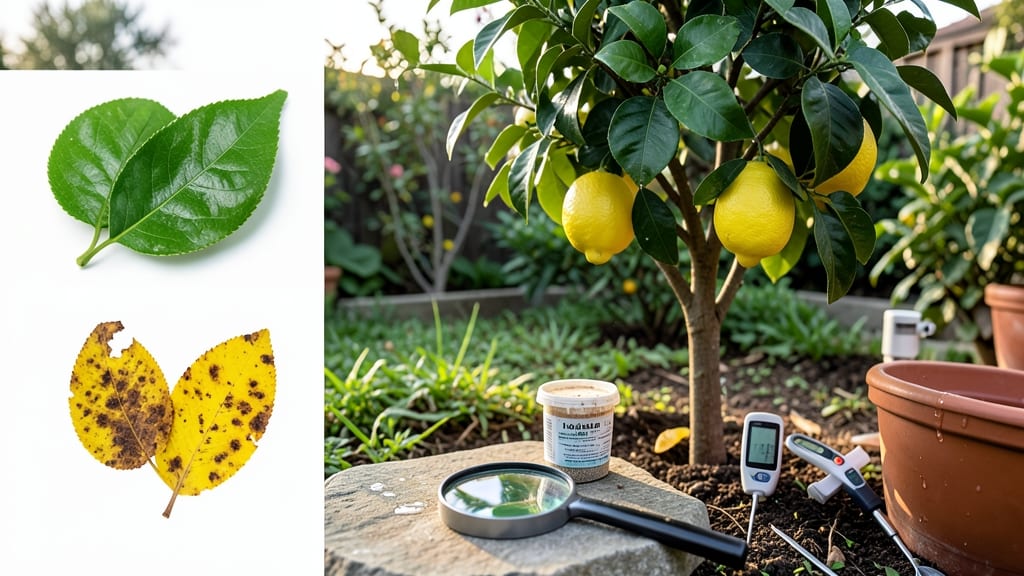
Your lemon tree shedding leaves isn’t a death sentence—it’s a call for action. 🌿 I’ve seen citrus trees go from droopy to thriving in just a few weeks by addressing the real cause, whether it’s water, pests, or hidden stress.
The key is catching it early before the tree decides to play dead. Most people overwater first and blame the tree later. Citrus roots need to breathe, and soggy soil is the #1 reason leaves turn yellow and drop like autumn leaves.
But it could also be spider mites hiding on the undersides, or a nutrient deficiency that’s starving the branches. What you’ll get is a leafy, productive tree again—bright green foliage, sweet-scented blossoms, and lemons that actually ripen.
The fix is simpler than you think, and it starts with a quick diagnostic check. This works for both potted lemon trees and in-ground varieties. Let’s get your tree back to its vibrant self before another leaf hits the ground.
Root Causes Of Leaf Loss
Understanding why your lemon tree is shedding leaves starts with identifying the primary stressors disrupting its health. Lemon trees (Citrus × limon) are sensitive to environmental shifts, pests, and cultural mismanagement—each triggering a defensive response like premature leaf drop.
Below, we break down the most common culprits, their scientific mechanisms, and how they force your tree into survival mode.
Lemon trees thrive in USDA Zones 9–11, where temperatures stay between 60–90°F (15–32°C). When exposed to sudden cold snaps below 30°F (-1°C) or intense heatwaves above 95°F (35°C), their metabolic processes falter.
- Cold Stress: - Chilling injures cell membranes in leaves, causing them to plasmolyze (collapse from water loss). - The tree abscises (sheds) damaged leaves to conserve energy, focusing resources on roots and new growth. - Actionable fix: Protect young trees with burlap wraps or frost cloth in winter.
Mature trees benefit from windbreaks or mulch to insulate roots.
- Heat Stress:
- High temperatures disrupt photosynthesis by denaturing enzymes like RuBisCO, reducing sugar production.
- Leaves may wilting (scorching) or drop to minimize transpiration (water loss).
- Pro tip: Provide afternoon shade (30–50% coverage) and deep watering (1–2 inches weekly) to combat heat shock.
Lemon trees hate wet feet and drought cycles—both trigger leaf drop through hydraulic failure or osmotic stress.
- Overwatering: - Root suffocation occurs when soil stays soggy, cutting off oxygen.
Roots anoxic stress signals the tree to shed leaves to reduce water demand. - Fungal pathogens (e.g., Phytophthora) thrive in waterlogged soil, clogging xylem vessels and starving leaves. - Fix: Ensure well-draining soil (sandy loam + perlite) and elevate pots to prevent pooling.
Water only when the top 2–3 inches of soil are dry.
- Underwatering:
- Stomatal closure (leaves shut pores) to retain moisture, but prolonged drought leads to leaf abscission as the tree prioritizes survival.
- Wilting leaves may turn yellow (chlorosis) or brown (necrosis) before dropping.
- Quick test: Stick a finger 3 inches deep—if dry, water deeply until it drains from the bottom.
Pests and pathogens physically damage leaves or hijack nutrients, forcing premature shedding.
| Pest/Disease | How It Triggers Leaf Drop | Signs to Watch For | Solution |
|---|---|---|---|
| Aphids/Scale Insects | Inject toxins while feeding, causing wilting. | Sticky honeydew, curled leaves. | Spray neem oil or introduce ladybugs. |
| Citrus Leaf Miner | Larvae mine leaf tissue, disrupting photosynthesis. | Blotchy, serpentine trails under leaves. | Prune infested leaves; use kaolin clay. |
| Root Rot (Fusarium) | Fungi block water/nutrient transport in roots. | Black, mushy roots; wilting despite water. | Repot in sterile soil; apply copper fungicide. |
| Citrus Canker | Bacteria (Xanthomonas) create open sores, leaking nutrients. | Oozing lesions; leaves drop in patches. | Prune infected branches; use copper spray. |
Lemon trees need balanced nutrition—deficiencies in nitrogen (N), magnesium (Mg), or zinc (Zn) cause chlorosis (yellowing) and premature leaf drop.
- Nitrogen (N) Deficiency:
- Older leaves turn yellow (senescence-like) as the tree recycles N from leaves to new growth.
- Fix: Apply balanced fertilizer (e.g., 6-6-6) in spring, following package rates.
- Magnesium (Mg) Deficiency:
- Interveinal chlorosis (yellowing between veins) occurs because Mg is mobile in the phloem—leaves shed to protect critical functions.
- Test: Flush soil with Epsom salt solution (1 tbsp/gallon) every 2 months.
- Zinc (Zn) Deficiency:
- Young leaves stay small and cupped, then drop due to stunted growth.
- Solution: Use chelated zinc (e.g., Zn-EDTA) or apply zinc sulfate to soil.
Moving a lemon tree—even repotting—disrupts root systems, leading to transient leaf drop as the tree reestablishes hydraulic conductivity.
- Root Damage:
- Circumstantial girdling (roots growing in circles) or pruned roots reduce water uptake, causing wilting and abscission.
- Fix: Repot in spring/early fall; trim no more than 1/3 of roots and water thoroughly post-transplant.
- Soil Mismatch:
- Clay-heavy or compacted soil restricts roots, leading to anaerobic conditions and leaf drop.
- Solution: Amend soil with compost + sand for 60% drainage.
Lemon trees shed 5–10% of leaves annually as part of senescence (aging). Look for:
- Gradual drop (not sudden).
- Leaves yellowing fully before falling (vs. brown patches).
- New growth appearing elsewhere.
When to worry: If >20% of leaves drop in <2 weeks or new leaves are stunted, investigate other causes above.
Revive Your Lemon Tree Now
Your lemon tree’s leaf loss isn’t a death sentence—it’s a call to action! With the right fixes, you can nurse it back to health and even prevent future shedding.
Below, we’ve mapped out practical, step-by-step solutions tailored to the most common causes, plus pro tips to keep your citrus queen thriving. Let’s turn those bare branches into a lush, fruit-bearing canopy again!
Signs: Yellowing leaves, mushy roots, or soil that smells sour or rotten.
🔥 Step 1: Check the Roots (Gently!)
- Dig around the base of the tree (about 6–12 inches deep) to inspect the roots. Healthy roots are firm and white; rotted roots are brown, slimy, or crumbly.
- If you spot rot, stop watering immediately—this is a red flag for overwatering.
🍳 Step 2: Improve Drainage
- Repot (if in a container): Choose a pot with drainage holes (if not already present) and fill the bottom 20% with gravel or perlite.
Use a well-draining citrus potting mix (avoid garden soil). - In-ground trees: Amend the soil with compost or sand to loosen it up. Consider a French drain or raised bed if water pools around the roots.
👨🍳 Step 3: Adjust Watering Habits
- Water deeply but infrequently: Wait until the top 2–3 inches of soil are dry before watering again. Stick your finger in the soil—if it’s damp, wait!
- Avoid soggy soil: Never let the tree sit in standing water.
Containers should have saucers that drain excess water within 30 minutes.
💡 Pro Tip:
🌡️ Test your soil’s moisture with a moisture meter or the "squeeze test"—grab a handful of soil; if it forms a ball that doesn’t crumble, it’s too wet.
Signs: Crispy, dry edges on leaves, wilting, or leaves curling upward.
🥘 Step 1: Water Deeply and Slowly
- For containers: Water until it runs out the drainage holes (about 1–2 gallons per watering, depending on pot size).
- For in-ground trees: Dig a small trench around the drip line (outer edge of the canopy) and water it thoroughly.
This encourages roots to grow deeper.
⏰ Step 2: Establish a Watering Schedule
- Young trees (1–3 years): Water 2–3 times per week in hot/dry climates.
- Mature trees: Water 1–2 times per week, but adjust based on weather (more in summer, less in winter).
- Mulch matters: Apply 2–3 inches of organic mulch (straw, wood chips) around the base (but keep it 6 inches away from the trunk to prevent rot).
🎯 Pro Tip:
✨ Morning watering is best—it reduces evaporation and fungal risks. Avoid evening watering, which can encourage mildew.
Signs: Bleached or sunburned leaves (white/yellow patches), leaf drop, or leaves curling toward the sun.
🌿 Step 1: Provide Afternoon Shade
- Temporary fix: Use shade cloth (30–50%) or a lightweight tarp during peak sun (11 AM–4 PM).
- Permanent fix: Plant near a partial shade structure (like a pergola) or choose a slightly sheltered spot in your yard.
💦 Step 2: Boost Hydration
- Mist leaves in extreme heat (especially young trees), but avoid soggy foliage.
- Mulch heavily to retain moisture in the soil.
🔪 Step 3: Prune Damaged Leaves
- Snip off sunburned or crispy leaves to redirect the tree’s energy to healthy growth. Use sterilized pruners to prevent infection.
💡 Pro Tip:
🌡️ Acclimate young trees to full sun gradually—start with 2–3 hours of morning sun, then slowly increase exposure over weeks.
Signs: Black spots, white powdery residue, holes in leaves, or sticky residue (sap).
🍳 Step 1: Identify the Culprit
- Powdery mildew: White, flour-like coating on leaves.
- Root rot: Mushy stems, foul smell, and yellowing leaves.
- Scale/pests: Sticky sap (honeydew) or tiny bugs on stems.
👨🍳 Step 2: Treat It
| Problem | Solution |
|---|---|
| Powdery mildew | Spray with neem oil (1 tsp per quart of water) or baking soda mix (1 tbsp baking soda + 1 quart water + drop of soap). Apply every 7–10 days. |
| Root rot | Remove infected soil, prune rotted roots, and repot with fresh, sterile mix. Add fungicide (like copper-based) if needed. |
| Scale/pests | Wipe leaves with soapy water (1 tsp mild soap per quart) or use horticultural oil. Repeat weekly until pests vanish. |
💡 Pro Tip:
🔥 Prevent future infections by pruning for airflow (remove crowded branches) and watering at the base (not overhead).
Signs: Dark, mushy spots on leaves, leaf drop, or stunted growth.
🥘 Step 1: Insulate the Roots
- Mulch heavily (4–6 inches) with straw or pine needles before winter.
- Wrap the trunk with burlap or tree guard in freezing climates.
🏠 Step 2: Move Potted Trees Indoors (If Possible)
- Bring container-grown lemon trees into a sunny, cool room (50–60°F) during frost. Avoid drafts near windows or vents.
⏰ Step 3: Gradual Transition
- If moving back outdoors, acclimate slowly over 1–2 weeks to avoid shock.
🎯 Pro Tip:
✨ Avoid fertilizing in winter—your tree is dormant and doesn’t need extra nutrients!
- Soil: Test every 2 years and amend with citrus-specific fertilizer (high in nitrogen in spring, potassium in fall).
- Water: Deep and infrequent—never let it dry out completely or stay soggy.
- Sun: Morning sun + afternoon shade in hot climates.
- Prune: Remove dead/diseased branches in late winter to encourage new growth.
- Monitor: Check leaves and roots monthly for early signs of trouble.
Remember: Lemon trees are resilient! With these fixes, you’ll see new leaves in 4–6 weeks (or sooner for minor issues). Stick with it, and your tree will reward you with zesty lemons and lush greenery in no time. 🍋🌿
Frequently asked questions
Is it normal for lemon trees to shed leaves in winter?
Yes, but only to a point! Lemon trees naturally drop 5–10% of leaves annually as part of their natural cycle. Look for gradual shedding where leaves turn fully yellow before falling, and new growth appears elsewhere. If you see >20% of leaves dropping in <2 weeks or stunted new leaves, it’s time to investigate other causes like cold stress or pests.
How do I tell if my lemon tree is overwatered vs. underwatered?
Check the soil and leaves: Overwatered trees have yellowing leaves, mushy roots, and soil that smells sour or stays damp for days. Underwatered trees show crispy leaf edges, wilting, and soil that pulls away from the pot. The finger test works best—stick your finger 2–3 inches deep; if it’s dry, water deeply until it drains from the bottom.
Can I save my lemon tree if it’s already lost most of its leaves?
Start by checking the roots for rot and adjust watering immediately. Prune any dead branches and move the tree to a spot with morning sun and afternoon shade. With proper care, lemon trees are resilient and can regrow leaves in 4–6 weeks. Focus on well-draining soil and consistent moisture—don’t let it dry out completely or stay soggy.
What’s the fastest way to fix nutrient deficiencies causing leaf drop?
For nitrogen deficiency (yellow older leaves), use a balanced citrus fertilizer (6-6-6) in spring. For magnesium deficiency (yellow between veins), flush the soil with Epsom salt solution (1 tbsp/gallon) every 2 months. Zinc deficiency (small, cupped leaves) responds well to chelated zinc or zinc sulfate applied to the soil. Always follow package instructions!
Should I repot my lemon tree if it’s shedding leaves?
Only if the current pot lacks drainage or the roots are visibly circling or rotting. If repotting, choose a container only 2–3 inches larger in diameter, use fresh well-draining citrus mix, and trim no more than 1/3 of roots. Repot in spring/early fall and water thoroughly afterward. Avoid repotting during active leaf drop unless root rot is confirmed.