
Pruning
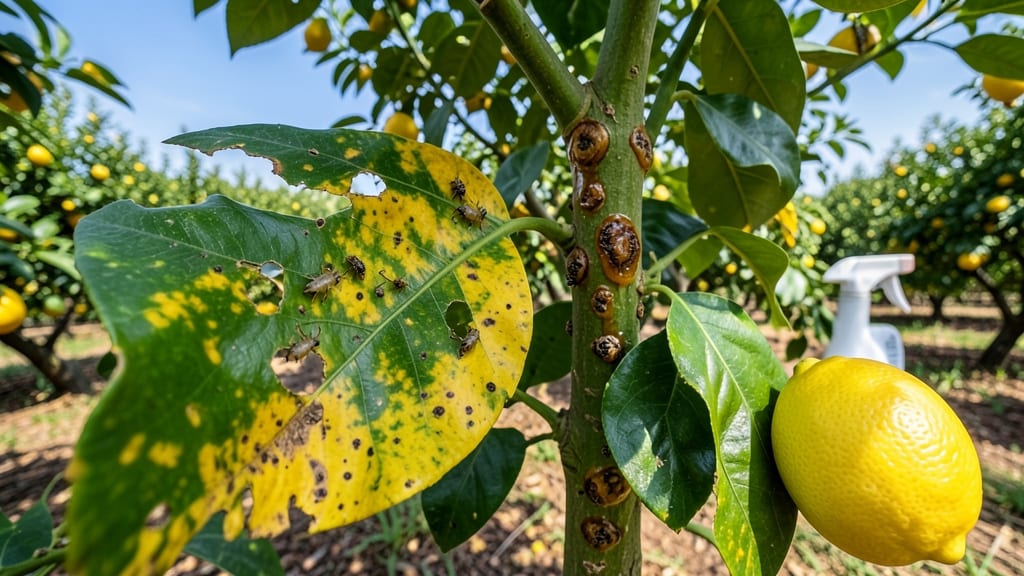
A sick lemon tree with drooping branches and yellow leaves isn’t a death sentence—just a call for action. 🌿 I’ve nursed back more than a few citrus trees from fungal blight, and the key is acting fast with the right organic treatments.
What starts as a few dark spots can spread like wildfire if ignored, but with proper care, your tree can bounce back stronger than ever.
The most common culprits are citrus blight and root rot, often triggered by overwatering or poor drainage. You’ll spot symptoms like sticky leaves, blackened stems, or mushrooms sprouting at the base—all red flags that need immediate attention.
The good news? Organic solutions like neem oil, copper fungicide, and improved airflow can turn things around without harsh chemicals.
Within 2-3 weeks of treatment, you’ll see fresh green growth pushing through, and the fruit production will rebound. The secret is consistency: prune affected branches, adjust watering, and apply fungicide every 7-10 days until the symptoms disappear. Your tree won’t just survive—it’ll thrive with a little TLC.
Works for both potted and in-ground lemon trees, and the methods adapt to other citrus varieties like limes or oranges. Let’s get your tree back to producing those sweet, fragrant lemons you love.
Root Causes Behind Ailing Lemon Trees
A lemon tree that’s suddenly wilting, dropping leaves, or sporting unsightly spots isn’t just throwing a tantrum—it’s sending distress signals. Understanding the why behind its decline is the first step to revival.
Below, we break down the most common culprits, from environmental stressors to hidden pests, with science-backed explanations to help you diagnose the issue like a pro.
Lemon trees (Citrus × limon) are tropical at heart, meaning they thrive in warm climates but can’t handle sudden swings in temperature. Both heat stress and cold damage disrupt cellular function, leading to leaf scorch, fruit drop, or even bark splitting.
- Heat Stress:
When temperatures soar above 95°F (35°C), the tree’s stomata (tiny leaf pores) close to conserve water. This halts photosynthesis, causing leaves to turn yellow or brown at the edges—a condition called heat scorch. Over time, the tree weakens, becoming vulnerable to pests and diseases.
💡 Pro Tip: Mulch with straw or wood chips to regulate soil temperature and reduce heat reflection. Drip irrigation at dawn or dusk also helps prevent water loss.
- Cold Damage:
Frost or temperatures below 40°F (4°C) can cause cold injury, where ice crystals form in plant cells, rupturing them. Symptoms include blackened leaves, bark cracking, or a sudden dieback of branches. Unlike heat stress, cold damage is often irreversible for affected tissue.
❄️ Actionable Fix: If frost is forecasted, cover young trees with frost cloth or a lightweight blanket. Mature trees benefit from windbreaks or anti-desiccant sprays (like Wilt-Pruf) to protect leaves.
Water is life—but too much (or too little) can drown your lemon tree. Phytophthora and Pythium, water-mold fungi, thrive in soggy soil, leading to root rot, a silent killer that chokes the tree’s nutrient uptake.
- Overwatering:
Lemon trees prefer well-draining soil with a 6.0–7.0 pH. When roots sit in waterlogged conditions, they suffocate, turning brown and mushy. Above-ground symptoms include yellowing leaves, leaf drop, and a sour, foul odor from the soil.
🔥 Emergency Steps:
- Stop watering immediately and let the soil dry out.
- Improve drainage by amending soil with perlite or coarse sand.
- Repot the tree (if in a container) into fresh, sterile potting mix.
- Underwatering:
While less deadly than overwatering, chronic drought causes wilting, crispy leaf edges, and premature fruit drop. The tree prioritizes water for roots and leaves, leaving fruit to shrivel.
💧 Smart Watering: Water deeply 1–2 times per week (more in summer), ensuring the top 6 inches of soil are moist but not soggy. Drip irrigation is ideal—it delivers water slowly to the roots, reducing runoff.
Not all lemon tree ailments are environmental—some are invited guests. Pests like aphids, scale insects, and citrus leaf miners weaken the tree by sucking sap, while fungi (e.g., Alternaria or Melanose) create unsightly spots and lesions.
| Pest/Pathogen | Symptoms | Scientific Cause | Organic Fix |
|---|---|---|---|
| Citrus Leaf Miner (Phyllocnistis citrella) | White, serpentine trails on leaves; stunted growth | Larvae burrow into leaves, disrupting chlorophyll production | Spray with neem oil (1 tsp per quart of water) or release beneficial wasps |
| Scale Insects (Diaspididae) | Sticky residue ("honeydew"), black sooty mold, yellowing leaves | Sap-sucking insects excrete honeydew, fostering fungal growth | Scrape off scales with a soft brush and apply horticultural oil |
| Fungal Blight (Alternaria or Melanose) | Dark, sunken spots on leaves/fruit; premature leaf drop | Fungal spores thrive in humid, warm conditions, infecting through wounds | Prune infected branches, apply copper fungicide, and improve air circulation |
🔍 Early Detection Tip: Inspect leaves weekly under a magnifying glass. Catching pests/pathogens early (before they spread) saves your tree from severe damage.
Lemon trees are heavy feeders, and a lack of key nutrients manifests in tell-tale leaf patterns. Unlike environmental stressors, deficiencies are often correctable with targeted amendments.
| Deficiency | Visual Clues | Cause | Solution | |||||||||||||||
|---|---|---|---|---|---|---|---|---|---|---|---|---|---|---|---|---|---|---|
| Nitrogen (N) | Pale yellow leaves (older leaves first) | Poor soil fertility or overwatering leaches nitrogen | Apply compost or blood meal; use a balanced fertilizer (10-10-10) | |||||||||||||||
| Iron (Fe) | Yellowing between leaf veins (interveinal chlorosis) | Alkaline soil (pH >7.0) locks out iron, even if it’s present | Lower pH with elemental sulfur or use chelated iron | |||||||||||||||
| Magnesium (Mg) | Yellow patches between veins (older leaves), then brown edges | Depleted soil or excessive potassium | Apply Epsom salt (magnesium sulfate) (1 tbsp per gallon of water
Reviving Your Lemon Tree NaturallyA sick lemon tree can feel like a heartbreaking setback, but with the right care, you can nurse it back to health—often using simple, organic fixes. Below, we’ve mapped out practical solutions for the most common causes of ailing lemon trees, from fungal blight to nutrient deficiencies. Each fix includes step-by-step instructions and prevention tips to keep your tree thriving long-term. Fungal infections like citrus blight or melanose show up as dark spots, yellowing leaves, or blackened stems. If left untreated, they can weaken—or even kill—your tree. 🔥 Step 1: Prune Infected Areas Immediately
🍳 Step 2: Apply a Natural FungicideMix one of these organic sprays and apply every 7–10 days until new growth appears:
💡 Pro Tip: Spray early in the morning or late afternoon to avoid burning leaves in direct sunlight. 🌡️ Step 3: Improve Air Circulation & Drainage
✨ Prevention: Space new trees 8–10 feet apart and avoid overhead irrigation. Yellowing leaves, stunted growth, or weak stems? Your lemon tree might be hungry for key nutrients. 📊 Step 1: Test Your Soil
💪 Step 2: Fertilize Correctly
💡 Pro Tip: Never fertilize a stressed or newly planted tree—wait 6–8 weeks after transplanting. 🥗 Step 3: Micronutrient BoostLemon trees need zinc, iron, and magnesium. If leaves show:
Aphids, scale, or spider mites sap your tree’s strength, causing wilting, sticky residue (honeydew), or curled leaves. 👨🍳 Step 1: Manual Removal (For Small Infestations)
🌿 Step 2: Natural Pest Repellents
✨ Prevention:
Mushy stems, yellowing leaves, or a sour smell from the soil? Root rot is likely killing your tree. 🔥 Step 1: Stop Watering Immediately
🌱 Step 2: Improve Drainage
🔄 Step 3: Fungal Treatment (If Needed)
✨ Prevention:
Frequently asked questions
1
Why are my lemon tree leaves turning yellow but staying on the branches?Yellow leaves that stay attached often signal a nutrient deficiency—especially nitrogen or iron. Check if older leaves yellow first (nitrogen) or if yellowing appears between veins (iron deficiency). Test your soil and apply compost or chelated iron if needed. Overwatering can also cause this, so let the soil dry between waterings.
2
How can I tell if my lemon tree has root rot?Root rot shows as mushy brown roots, yellowing leaves, and a foul smell from the soil. If you gently pull a branch and it snaps easily, that’s another red flag. Stop watering immediately, improve drainage, and repot in fresh soil if needed. Hydrogen peroxide (3%) can help kill the fungus.
3
Is it safe to use neem oil on a lemon tree with fruit?Yes! Neem oil is organic and safe for edible trees when used correctly. Mix 1 tablespoon neem oil + 1 teaspoon mild soap + 1 quart water, and spray in the early morning or evening to avoid leaf burn. Avoid spraying directly on fruit to prevent residue, but it won’t harm the tree or lemons.
4
Can I save a lemon tree with blackened stems and spots?You may be dealing with fungal blight or melanose. Prune infected branches immediately with sterilized shears, then apply copper fungicide every 7-10 days. Improve airflow by thinning foliage and avoid overhead watering. With quick action, your tree can recover within 2-3 weeks.
5
Why does my potted lemon tree keep getting pests even after treatment?Pests often return if the tree is stressed or the environment is favorable. Keep the tree well-watered (but not soggy), mulch with wood chips, and introduce beneficial insects like ladybugs. Also, check nearby plants—pests can spread quickly. Repeat neem oil treatments every 5-7 days for stubborn infestations. |