
Pruning
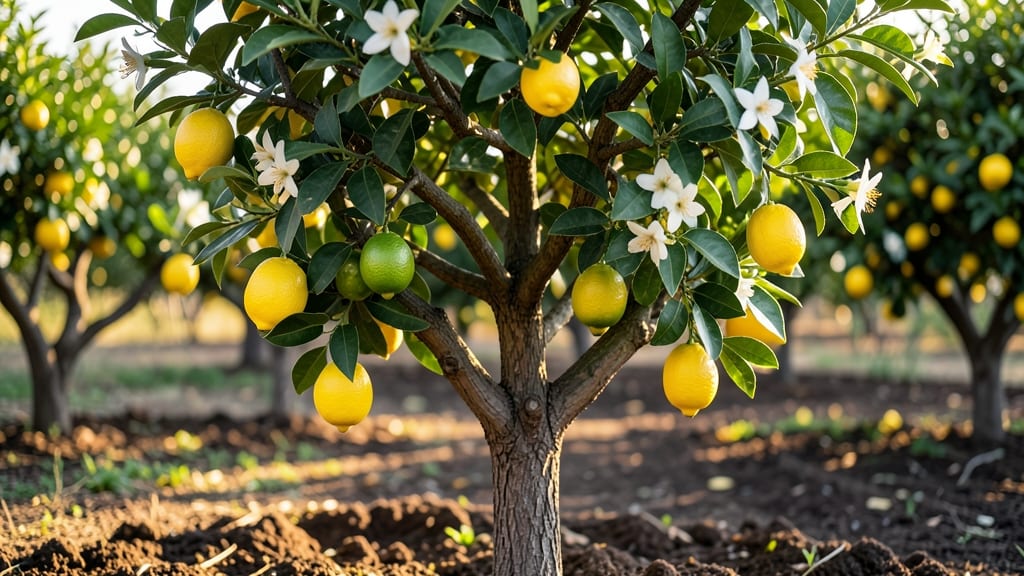
Your lemon tree’s ideal temperature range starts at 60°F and tops out at 90°F—anything outside that risks stunted growth or leaf drop. 🌿 I’ve watched my own tree struggle through sudden cold snaps, where the glossy leaves curl and new shoots blacken overnight.
The key isn’t just avoiding frost, but understanding how temperature shifts disrupt flowering and fruiting cycles.
Lemon trees thrive in USDA Zones 9-11, where winters stay above 30°F and summers rarely exceed 95°F. Outside those zones, you’ll need to protect your tree during heatwaves (above 95°F) or cold snaps (below 40°F), which can cause irreversible damage.
Even a single night below 28°F will kill most varieties unless you take precautions. The payoff? A tree that produces year-round blooms and fruit when conditions are just right. With proper care, you’ll harvest lemons from spring through winter, their bright citrus scent filling your garden.
The secret lies in monitoring temperature trends and adjusting care before problems start. For cooler climates, container growing lets you move the tree indoors or under cover during winter. In hot zones, afternoon shade and consistent watering prevent stress.
Let’s break down how to keep your tree in its sweet spot all year.
Temperature Stress Explained
Understanding why lemon trees struggle with temperature extremes starts with their tropical origins. Native to regions like Northern India, China, and Southeast Asia, lemon trees (Citrus limon) evolved in warm, stable climates with consistent humidity and moderate temperature swings.
When exposed to conditions outside their ideal range, they react in predictable ways—often visibly distressing. Here’s why these shifts happen and what triggers them:
Lemon trees thrive in 70–85°F (21–29°C) during the day, but prolonged exposure to above 95°F (35°C) disrupts their cellular functions. Here’s the science:
- Photosynthesis Overload: High temperatures cause stomatal closure (tiny leaf pores that regulate gas exchange).
While this conserves water, it also blocks CO₂ intake, starving the plant of energy. 🌿 - Protein Denaturation: Enzymes like RuBisCO (critical for photosynthesis) become unfolded and nonfunctional at extreme heat, halting growth. - Root Stress: Soil temperatures above 90°F (32°C) kill beneficial mycorrhizal fungi, which help absorb water and nutrients.
Roots suffocate, leading to wilting or leaf drop.
Actionable Sign: Look for yellowing leaves with crispy edges or drooping branches—classic heat shock symptoms.
Lemon trees are evergreen subtropical plants, meaning they cannot tolerate freezing. Even a single night below 28°F (-2°C) triggers irreversible damage:
- Cell Membrane Rupture: Ice crystals form in plant cells, piercing cell walls and leaking vital fluids. This is called cytoplasmic dehydration. - Respiratory Failure: Cold slows mitochondrial activity (the plant’s energy factories), causing metabolic shutdown.
Leaves turn black or brown as tissues die. - Bud Freeze: Flower and fruit buds are most vulnerable—exposure to below 32°F (0°C) kills them before they can develop, leading to no harvests the following year.
Actionable Sign: Blackened stems, mushy leaves, or sudden leaf drop after a frost are red flags.
Lemon trees hate sudden shifts—whether a hot day followed by a cold night or drafty indoor conditions. Here’s why:
- Thermal Stress Proteins: Plants produce heat shock proteins (HSPs) to protect cells, but frequent spikes exhaust their energy reserves, leaving them weakened.
- Transpiration Imbalance: Rapid cooling after heat causes water vapor to condense inside leaves, leading to fungal infections (like citrus scab).
- Root Zone Trauma: If potted trees are moved from sunny outdoor spots to chilly garages, roots freeze or dry out from inconsistent moisture.
Actionable Sign: Curling leaves, uneven browning, or stunted growth despite proper watering.
Temperature stress isn’t just about degrees—humidity and wind amplify the problem:
| Factor | Effect on Lemon Trees | Solution |
|---|---|---|
| Low Humidity | Leaves lose moisture faster, mimicking drought stress even if soil is wet. | Use pebble trays or mist leaves. |
| High Wind | Accelerates transpiration, drying out leaves and increasing heat stress. | Plant near windbreaks or use shade cloth. |
| Foggy Nights | Traps heat near leaves, mimicking a sauna effect, promoting fungal growth. | Improve air circulation with fans. |
If you’ve recently moved a lemon tree from a greenhouse to outdoors (or vice versa), acclimation shock is likely:
- Chlorophyll Breakdown: Sudden light changes (e.g., direct sun after shade) cause sunburn spots (white/yellow patches).
- Root System Lag: Potted trees take weeks to adjust to outdoor temps. Root-bound plants are more sensitive to cold.
- Dormancy Confusion: Some citrus varieties partially dormant in winter—if forced into growth with unseasonable warmth, they waste energy and weaken.
Actionable Fix: Hardening off (gradually exposing trees to outdoor conditions over 10–14 days) prevents shock.
Temperature stress weakens defenses, making lemon trees vulnerable to secondary issues:
- Spider Mites 🕷️: Thrive in dry, hot conditions, sucking sap and causing silver-speckled leaves.
- Citrus Canker 🍊: Bacteria spread faster in humid, warm weather, rotting bark and leaves.
- Root Rot 💀: Cold, soggy soil (from poor drainage + chilly temps) drowns roots, turning them black.
Pro Tip: Inspect leaves daily for sticky residue (aphids), webbing (mites), or oozing sores (canker)—early signs of stress-related infestations.
Adjusting Your Lemon Tree’s Climate
Now that you understand why temperature swings harm your lemon tree, let’s fix the problem with practical, step-by-step solutions. Whether your tree is struggling in extreme heat, freezing cold, or inconsistent conditions, these fixes will help you create the perfect growing environment—no green thumb required!
Cause: Temperatures below 25°F (-4°C) can damage or kill lemon trees, while prolonged exposure to 32–40°F (0–4°C) weakens growth.
Solution: 🔥 Move Potted Trees Indoors
- Bring container-grown lemon trees inside before frost hits (aim for 50–60°F / 10–15°C).
- Place near south-facing windows for sunlight or supplement with grow lights (12–14 hours/day).
- Avoid drafts from doors/windows—lemons hate sudden cold drafts!
🍳 Insulate Outdoor Trees
- Wrap the trunk and roots with burlap, frost cloth, or bubble wrap to trap heat.
- Pile mulch (straw, wood chips) around the base (3–4 inches deep) to insulate roots.
- Use Christmas lights wrapped around the trunk to add gentle warmth (safely, of course!).
👨🍳 Choose Cold-Hardy Varieties
- If you live in USDA Zones 8–10, opt for Meyer lemons (more cold-tolerant than Eureka or Lisbon).
- For Zones 7 and below, grow in containers and winter them indoors.
💡 Pro Tip: If your tree is already damaged, prune dead branches in early spring (after last frost) to encourage new growth.
Cause: Temperatures above 95°F (35°C) for prolonged periods cause leaf scorch, wilting, or fruit drop.
Solution: 🥘 Provide Shade Strategically
- Use shade cloth (30–50%) during peak sun (10 AM–4 PM) to reduce heat stress.
- Plant fast-growing shade trees (like mulberry or willow) on the west side (where afternoon sun is harshest).
- Avoid full shade—lemons need 6+ hours of sunlight daily.
🌿 Improve Airflow & Hydration
- Water deeply 2–3 times per week (1–2 inches per session) to keep roots cool.
- Mulch heavily (4–6 inches) to retain moisture and regulate soil temp.
- Mist leaves in extreme heat (early morning or late evening) to lower leaf temperature.
⏰ Adjust Watering for Heat Waves
- Morning watering is best—avoid evening water to prevent fungal growth.
- Drip irrigation delivers water directly to roots, reducing evaporation.
🎯 Prevent Fruit Drop
- If heat causes fruit to fall, hand-pollinate flowers (use a small brush to transfer pollen).
- Thin overripe fruit to reduce stress on the tree.
Cause: Rapid shifts (e.g., hot days → cold nights) confuse the tree, leading to poor flowering or fruit set.
Solution: 🌡️ Use Row Covers for Night Protection
- Drape frost cloth over the tree at dusk if night temps drop below 50°F (10°C).
- Secure edges with rocks or stakes to prevent wind damage.
🏡 Control Indoor Conditions for Potted Trees
- Keep indoor temps consistent (60–75°F / 15–24°C)—avoid placing near AC vents or heaters.
- Humidify the air (lemons like 40–60% humidity); use a pebble tray with water under the pot.
🔪 Prune for Better Airflow
- Thin out dense foliage to improve circulation—this helps regulate temp and reduces disease risk.
- Remove suckers (shoots at the base) to focus energy on fruit production.
✨ Long-Term Fix: Choose the Right Location
- Outdoors? Plant in partial shade with afternoon relief.
- Indoors? A sunroom or greenhouse with temperature control is ideal.
- Containers? Move them to a garage or shed in winter if you live in Zone 7 or colder.
If your lemon tree is already suffering (yellow leaves, dropped fruit, blackened branches):
- Trim dead branches with sterilized pruners.
- Fertilize lightly with balanced citrus fertilizer (half-strength) to boost recovery.
- Monitor soil moisture—overwatering stressed roots is worse than underwatering!
- Spray with neem oil if you spot pests (heat stress weakens trees, making them vulnerable).
✅ Know your zone—adjust care based on USDA Hardiness Zone (8+ for outdoor planting). ✅ Acclimate gradually—harden off potted trees before moving them outside in spring. ✅ Monitor forecasts—bring potted trees inside before the first frost warning. ✅ Test soil temp—ideal root zone temp is 60–85°F (15–29°C); use a soil thermometer if unsure. ✅ Invest in a mini greenhouse for cold climates—extends the growing season by 2–3 months.
With these fixes, your lemon tree will thrive in just about any climate—whether you’re battling Alaska winters or Arizona summers. 🍋✨ The key is consistency, protection, and a little extra love when Mother Nature throws curveballs. Now go give your tree the perfect home!
Frequently asked questions
What’s the absolute minimum temperature a lemon tree can survive?
A healthy lemon tree can handle brief dips to 28°F (-2°C), but any exposure below 25°F (-4°C) risks permanent damage. Most varieties will show signs of stress at 32°F (0°C), like leaf drop or blackened stems. Meyer lemons are slightly more cold-tolerant than standard varieties.
Can lemon trees thrive in indoor environments year-round?
Yes, but they need consistent conditions—keep indoor temps between 60–75°F (15–24°C) and maintain 40–60% humidity. Place near south-facing windows for 6+ hours of sunlight daily, or supplement with grow lights. Avoid drafts from AC vents or heaters, which cause temperature swings.
How do I know if my lemon tree is suffering from heat stress?
Watch for yellowing leaves with crispy edges, drooping branches, or fruit drop during prolonged heat above 95°F (35°C). Leaves may also develop brown, sunburned patches on the surface. Increase shade, water deeply in the morning, and mulch heavily to help roots stay cool.
What’s the best way to protect a lemon tree from sudden cold snaps?
For potted trees, move them indoors before frost hits (50–60°F / 10–15°C is ideal). Wrap outdoor trees with burlap or frost cloth and pile 3–4 inches of mulch around the base. Use Christmas lights (safely wrapped) to add gentle warmth around the trunk during freezing nights.
Do lemon trees need different care in summer vs. winter?
In summer, focus on shade cloth, deep watering, and afternoon misting to combat heat. In winter, reduce watering (let topsoil dry slightly between waterings) and avoid fertilizing—lemons enter a dormant-like state in cooler months. Prune dead branches in early spring to encourage new growth.