
Pruning
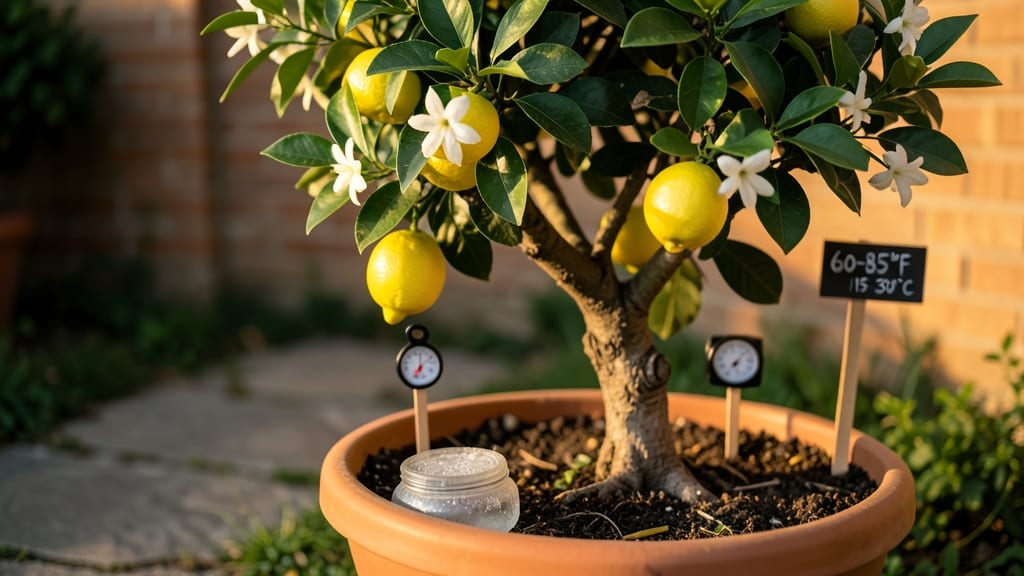
The ideal lemon tree temperature range is between 60°F and 85°F, with optimal growth occurring in USDA hardiness zones 9-11. These trees can handle brief cold snaps down to 25°F but suffer permanent damage when temperatures drop below 20°F, making winter protection essential in colder regions.
Understanding your lemon tree's temperature needs goes beyond just the numbers—it's about recognizing how heat and cold impact every stage of growth. 🌡️ For example, temperatures above 90°F can stress the tree, reducing fruit set and quality, while sudden cold snaps below 32°F can cause leaf drop and even kill the plant if exposure lasts more than a few hours.
In zones 8 or lower, growers often choose cold-hardy varieties like 'Improved Meyer' or use protective measures like frost cloths and microclimates near south-facing walls to extend the growing season.
What's especially important is how temperature fluctuations affect flowering and fruiting cycles. Lemon trees need consistent warmth to produce blossoms, and sudden temperature drops during bloom can cause fruit to drop prematurely.
That's why many gardeners in marginal climates bring potted trees indoors during winter or use row covers to create a stable microclimate.
The key is monitoring your local weather patterns and adjusting care routines accordingly—whether that means delaying pruning until after the last frost or providing supplemental heat during unexpected cold spells.
💡 In This Article
- How Temperature Affects Lemon Tree Growth and Fruit Production
- Protecting Lemon Trees in Cold Climates: Practical Strategies
How temperature affects lemon tree growth and fruit production
Lemon trees rely on a delicate balance of warmth to power their growth engine. Their leaves contain chlorophyll that thrives at 70-80°F, where photosynthesis operates most efficiently. When temperatures dip below 55°F, the tree's metabolic rate slows dramatically, reducing energy for new leaf production and fruit development.
The real magic happens between 60°F and 85°F, where the tree's cellular machinery runs optimally—this is why commercial groves in California's Mediterranean climate produce the best yields. 🌿
Flowering is particularly temperature-sensitive. Lemon trees need consistent warmth above 65°F for at least 6-8 weeks before bloom to trigger proper flower development. When nights drop below 50°F during this period, buds often fail to open, resulting in what growers call "blanket bloom"—a burst of flowers that never set fruit.
Even after flowering, temperatures above 90°F can cause fruit drop as the tree's energy shifts to protecting itself from heat stress rather than supporting fruit maturation.
The fruit itself develops best when daytime temperatures stay between 75°F and 85°F. At these levels, the tree's sugars accumulate properly, giving lemons their signature sweet-tart balance. When heat exceeds 95°F for extended periods, the fruit becomes bitter and seedy as the tree's natural defense mechanisms kick in.
This is why lemons grown in hot inland areas often taste more acidic than those from coastal regions with moderate temperatures and ocean breezes. 🍋
Cold damage works differently than heat stress. When temperatures fall below 40°F, the tree's cell walls begin to rupture—a process called "chilling injury"—which leads to brown, mushy spots on leaves and fruit.
The most critical threshold is 28°F: exposure for just 2-3 hours at this temperature can kill the tree's cambium layer, the growth tissue just beneath the bark. This is why even cold-hardy varieties like 'Improved Meyer' need protection when winter temps approach freezing.
Seasonal adjustments matter too. In spring, lemon trees respond to warming temperatures by flushing new growth—this is why pruning should wait until after the last frost. Summer's high heat triggers flowering, while autumn's cooling helps fruit ripen.
The tree's natural rhythm is perfectly tuned to these temperature cues, which is why forcing growth with heat lamps or indoor growing can disrupt the flowering cycle and reduce fruit production.
One often-overlooked factor is humidity. While not a temperature itself, humidity interacts with temperature to create stress. High humidity above 80% combined with temperatures below 65°F creates ideal conditions for fungal diseases like citrus greening, which can devastate trees.
Conversely, dry heat above 90°F with low humidity causes leaf scorch, where edges turn brown and crispy. Maintaining proper airflow through pruning helps mitigate both issues. 🌬️