
Pruning
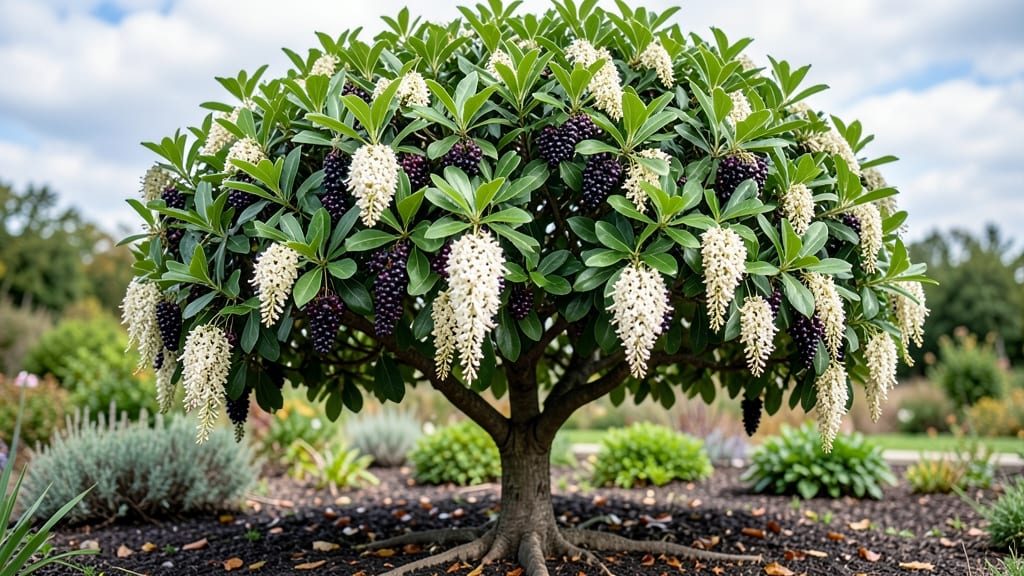
Ligustrum tree berries are highly toxic to pets and children, containing toxins like ligustrin and saponins that can cause vomiting, diarrhea, and even neurological symptoms if ingested. Never allow consumption and seek veterinary help immediately if exposure occurs.
These glossy black berries may look harmless, but they pose serious health risks to curious pets and kids. 🚨 The toxins disrupt digestion first, leading to drooling, nausea, and abdominal pain, but in severe cases, they can affect the heart and nervous system.
I’ve seen cases where even small amounts caused tremors or seizures within hours—always err on the side of caution and remove these trees from play areas. Ligustrum’s popularity as a hedge makes this especially important for homeowners with furry family members.
If you suspect ingestion, don’t wait—call your vet or poison control right away. Symptoms can escalate quickly, and early treatment often means the difference between a scary but recoverable incident and a medical emergency.
For gardeners, replacing ligustrum with non-toxic alternatives like boxwood or cherry laurel provides the same privacy without the danger.
💡 In This Article
- Toxic Compounds in Ligustrum Berries and Their Effects
- Safely Removing Ligustrum Trees from Pet-Friendly Gardens
Toxic compounds in ligustrum berries and their effects
Ligustrum berries contain a dangerous cocktail of natural toxins that target multiple body systems. The primary culprit is ligustrin, a compound that disrupts normal cellular functions by interfering with enzyme activity, particularly in the digestive tract.
This causes the immediate symptoms we see—severe vomiting, diarrhea, and drooling—within 30 minutes to 2 hours of ingestion. The berries also contain saponins, which create soapy mouth sensations and further irritate the gastrointestinal lining, making pets and children feel even more miserable.
The real danger lies in the cyanogenic glycosides present in ligustrum leaves and stems (which pets might chew), which can release toxic cyanide when metabolized.
This affects the cardiovascular system by blocking oxygen transport in red blood cells, potentially leading to rapid breathing, weakness, or even collapse in severe cases. 🔥 Neurological symptoms like tremors or seizures occur when the toxins reach the central nervous system, particularly in smaller animals where even tiny doses can overwhelm their systems.
A 10-gram ingestion (about 10 berries) can be lethal to a 10-pound dog, demonstrating just how potent these compounds are.
What makes ligustrum berries particularly insidious is how their toxicity progresses. Initially, the body reacts to the saponins with digestive distress, but if ingestion continues, the ligustrin begins affecting the liver and kidneys. This two-stage process explains why some pets seem fine initially but deteriorate rapidly within 6-12 hours.
The berries' glossy black appearance makes them irresistible to curious pets, while their sweet-tart flavor can encourage children to nibble without realizing the danger—this combination creates a perfect storm of accidental poisoning.
Veterinary treatment typically involves inducing vomiting (if ingestion was recent), administering activated charcoal to bind toxins, and providing IV fluids to counteract dehydration. However, supportive care becomes critical for cases involving neurological symptoms, as there's no universal antidote for ligustrin poisoning.
The key is immediate action: the faster you can remove the berries from the system, the better the prognosis.
This is why gardeners with ligustrum hedges should treat them like they would foxglove or oleander—highly dangerous plants that belong in the back of the yard, not near play areas.
Interestingly, the toxicity varies slightly by ligustrum species. Chinese privet (Ligustrum sinense) contains higher concentrations of saponins, making it particularly hazardous, while European privet (Ligustrum vulgare) has more cyanogenic glycosides. This variation means no ligustrum variety should be considered safe—each presents its own unique risks that warrant equal caution.
The moral? When it comes to these berries, zero exposure is the only safe exposure. 💫
For pet owners, it's worth noting that ligustrum toxicity isn't limited to berries. The leaves and stems contain similar compounds, though in different concentrations. A dog chewing on ligustrum branches might experience delayed symptoms as the cyanogenic glycosides are metabolized, making this an often-overlooked danger zone.
This dual-threat nature means you should monitor your pets for any interaction with any part of the plant, not just the obvious berries.