
Pruning
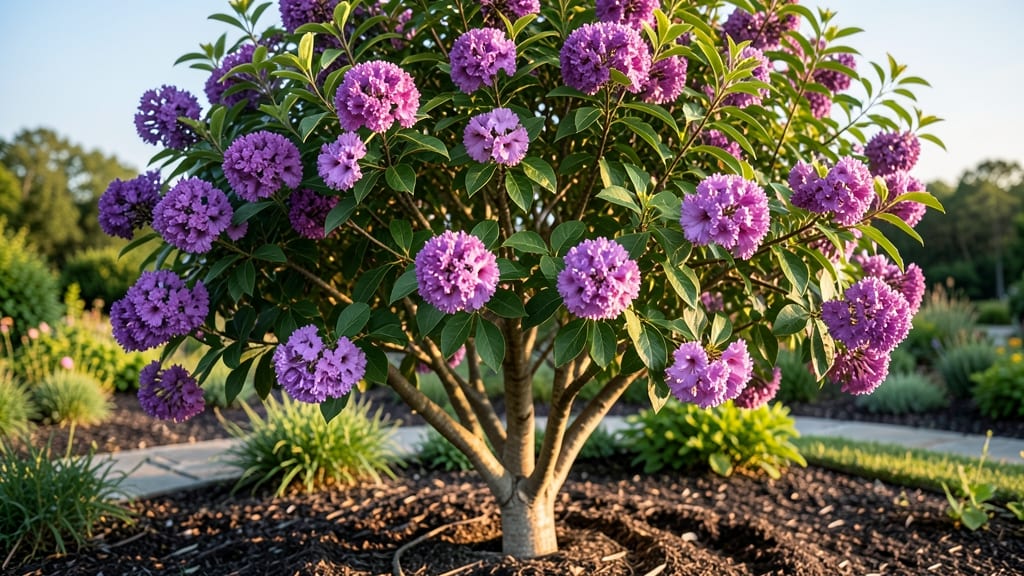
The Lila tree in English refers to the lilac tree (Syringa vulgaris), a beloved ornamental shrub celebrated for its fragrant spring blooms and elegant appearance in landscapes. This deciduous plant thrives in temperate climates and is a staple in gardens across North America and Europe.
The term "lila" actually comes from the German word for lilac (Lilie), which was adopted into English through historical botanical naming conventions. 🌸 These trees are part of the olive family and produce clusters of tubular flowers in shades of purple, white, and pink, often filling gardens with their intoxicating scent.
Native to southeastern Europe and parts of Asia, lilacs have been cultivated for centuries—some varieties even date back to ancient Greek and Roman gardens.
What makes lilacs particularly fascinating is their adaptability. They flourish in USDA hardiness zones 3-7, making them suitable for a wide range of climates from cold northern regions to milder southern areas.
The timing of their blooms—typically April to May—also makes them excellent indicators of seasonal changes in many parts of the world.
💡 In This Article
- Botanical Origins and Species Variations of Lilac Trees
- Growing and Caring for Lilac Trees in Gardens
Botanical origins and species variations of lilac trees
The lilac tree belongs to the Syringa genus, which includes over 25 species of flowering shrubs native to the temperate regions of Eurasia. The most iconic species, Syringa vulgaris (common lilac), originates from southeastern Europe and western Asia, where it thrives in mountainous regions with cool summers and cold winters.
These native habitats explain why lilacs are so hardy—they evolved to withstand temperature fluctuations from -25°F to 85°F, making them resilient in diverse climates.
One fascinating variation is the Persian lilac (Syringa persica), which blooms earlier than its common counterpart—often as early as February in warmer zones. Its flowers are smaller and more fragrant, with a distinct lemony scent, while common lilacs emit a sweeter, more floral aroma.
The color spectrum also varies: some cultivars produce deep magenta blooms, while others showcase pale lavender or even white flowers. 🌿 These differences arise from selective breeding over centuries, with gardeners cross-pollinating species to create hybrids like the 'Katherine Havemeyer' lilac, which produces massive 6-inch-long flower clusters.
Climate plays a crucial role in lilac growth patterns. In colder regions (zones 3-5), lilacs enter dormancy in winter, requiring 600-1,000 chill hours (temperatures below 45°F) to trigger spring blooming. Conversely, in milder zones (6-7), they may bloom sporadically if they don't receive adequate winter chill.
This adaptability is why lilacs are found from Canada to Mexico, though their peak performance occurs in zones 4-6, where they receive balanced seasonal extremes.
What most gardeners don't realize is that lilacs are actually part of the olive family (Oleaceae), sharing traits with privet and ash trees. Their hollow stems—hence the Greek name syrinx—were historically used to make musical instruments, adding another layer to their cultural significance.
The flower clusters develop on old wood, meaning pruning must be timed carefully to avoid removing next year's blooms. This biological quirk explains why lilacs often produce fewer flowers after aggressive pruning.
Beyond Syringa vulgaris, other notable species include the Japanese tree lilac (Syringa reticulata), which grows into small trees with fragrant white flowers, and the lilac bush (Syringa meyeri), a compact variety perfect for small gardens.
Each species has unique growth habits: while common lilacs can reach 15-25 feet tall, dwarfs like 'Little Johnny' stay under 3 feet. This diversity allows gardeners to select lilacs based on space, climate, and aesthetic preferences.
The intoxicating scent of lilacs comes from volatile oils called terpenes, which are released in higher concentrations on warm spring days. Studies show that lilac fragrance contains over 30 different chemical compounds, including linalool and geraniol, which have been linked to stress reduction in humans.
This natural aroma therapy effect is why lilacs are often planted near windows or garden seating areas. 🌸