
Pruning
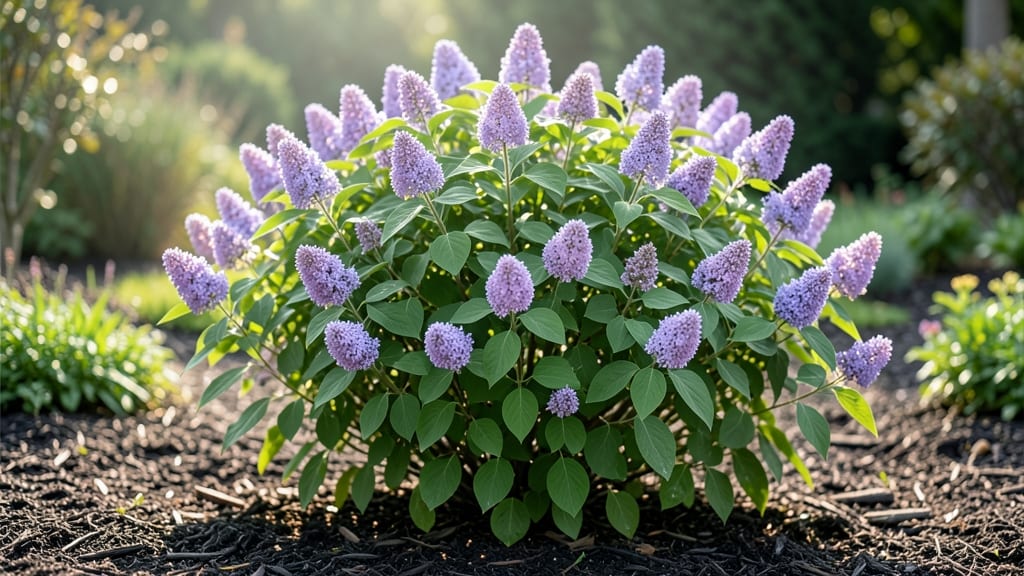
A dwarf lilac tree brings that signature fragrance without the space commitment. 🌸 These compact powerhouses—like 'Little Lila' or 'Bloomerang'—pack all the sweet scent and vibrant blooms of their full-size cousins into a tidy 3-6 foot frame. The secret to keeping them looking their best?
Strategic pruning that encourages dense growth and prolongs blooming. I learned the hard way that pruning too late or too aggressively can rob you of next year's flowers. The key is timing: prune right after blooming, when new buds are already forming for next season.
A sharp pair of shears and 15 minutes is all you need to shape them into perfect little shrubs that perfume your garden for years. You'll end up with a shrub that's easier to maintain, fits in tight spaces, and still bursts with those classic lavender-purple blooms every spring.
The fragrance alone makes it worth the effort—imagine walking past and being hit with that familiar, nostalgic scent without needing a full-size tree. Perfect for small yards, container gardens, or even as a fragrant hedge. Here's how to keep yours thriving without the fuss of standard lilacs.
📚 In This Guide
- What you need
- Instructions
- Tips and common mistakes
- Wrapping up and next steps
What you need
- ● Pruning shears: Bypass pruners (for clean cuts on small stems, 4–6 inches long, sharp and stainless steel). Quantity: 1 pair.
- ● Loppers: Bypass or anvil-style (for thicker branches, 8–12 inches long, with a comfortable grip). Quantity: 1 pair.
- ● Hand pruners: Anvil-style (for dead or diseased wood, 5–7 inches long). Quantity: 1 pair (backup).
- ● Garden gloves: Heavy-duty, cut-resistant (to protect hands from thorns and sap). Quantity: 1 pair.
- ● Disinfectant: 70% isopropyl alcohol or pruning sealant (to sterilize tools between cuts and prevent disease spread).
- ○ Pruning saw: Curved-tooth (for large, stubborn branches—optional but handy for mature dwarf lilacs).
- ● Ladder or step stool: Lightweight, stable (if your dwarf lilac is planted near a fence or wall, 4–6 feet tall).
- ● Sharpener: Pruning tool sharpening stone (to keep blades razor-sharp for precision cuts).
- ● Plant tie or twine: Soft, stretchy (to secure branches during heavy blooming or storms).
- ● Trash bags: Heavy-duty (for collecting pruned branches—check local regulations for disposal!).
- ○ Pruning paste: Optional (to seal large cuts and prevent disease entry).
Step-by-step guide to pruning your dwarf lilac tree
Transform your lilac into a fragrant, bushy powerhouse with these simple pruning steps.
✂️ Step 1: Time Your Pruning for Peak Health
Prune your dwarf lilac right after flowering—usually in late May or early June. This ensures you don’t cut off next year’s blooms, which form on old wood. I know it seems counterintuitive, but waiting until after the flowers fade gives you the best chance for abundant blooms the following spring.
If you missed the window, don’t panic—just avoid pruning in late summer or fall, as new growth won’t harden off before winter. A light shaping trim in early spring is fine, but keep it minimal to avoid removing flower buds.
✂️ Step 2: Gather the Right Tools and Safety Gear
You’ll need sharp, clean pruning shears (sterilize with rubbing alcohol between cuts) and gloves to protect your hands from thorns. I also grab a small bucket to collect clippings and hand pruners for any stubborn branches. Avoid dull tools—they crush stems instead of making clean cuts, which invites disease.
Work on a dry, sunny day when the lilac isn’t stressed. If the weather’s humid, prune in the morning so wounds dry quickly. This prevents fungal infections that can weaken your tree over time.
✂️ Step 3: Remove Dead, Diseased, or Crossing Branches First
Scan your lilac for dead wood (snaps easily when bent) or branches with blackened leaves or oozing sap. Cut these out at the base, making a 45-degree angle just above a healthy bud or lateral branch. This encourages outward growth and keeps the tree open to airflow.
Next, look for branches rubbing together—these will eventually tear and create wounds. Remove the smaller of the two, cutting back to a strong lateral branch or outward-facing bud. You’re shaping the tree’s future, so think of it like sculpting: every cut should serve a purpose.
✂️ Step 4: Thin Out the Center for Airflow and Light
Dwarf lilacs can get overcrowded if you skip pruning, leading to weak blooms and pests. Focus on thinning branches from the center to let light and air reach the core. Aim to remove about 20-30% of the oldest wood—this rejuvenates the tree and encourages new growth.
Make cuts just above a leaf bud or side branch, and avoid leaving stubs. If a branch is too thick for hand pruners, use your pruning saw—but only if necessary. The goal is to open up the tree without hacking it back dramatically.
✂️ Step 5: Shape and Encourage Bushier Growth
Now for the fun part—shaping! Step back and visualize your lilac’s natural form. Trim long, leggy branches to half their length to encourage bushier growth. Cut just above a leaf bud that faces outward to maintain an open structure.
For a rounded shape, shorten branches on the outside of the tree more than those inside. This prevents a lopsided look and ensures sunlight reaches all parts. After pruning, give your lilac a light drink of water to help it recover—especially if you’ve removed a lot of foliage.
🌿 Step 6: Clean Up and Monitor for New Growth
Rake up and dispose of clippings (don’t compost diseased branches). Wipe down your tools with rubbing alcohol to prevent spreading pathogens. Over the next 4-6 weeks, watch for new shoots—these are your lilac’s way of telling you it’s happy with the changes.
If you notice yellowing leaves or stunted growth, you may have pruned too aggressively. Next time, stick to 10-20% of the tree’s branches per year. With patience, your dwarf lilac will reward you with vibrant blooms and a compact shape for years to come.
Tips & tricks for perfect dwarf lilac pruning
These game-changing tips will help you transform your lilac into a fragrant, bushy masterpiece—without the guesswork.
Timing is Everything: The post-bloom window in late May or early June is non-negotiable if you want next year's flowers. I've learned this the hard way—pruning too early means cutting off flower buds that form on old wood. If you miss the window, a light spring trim is better than nothing, but keep it minimal to avoid stressing the tree. The difference between a sparse bloom and a fragrant explosion comes down to this timing.
Tool Prep Matters More Than You Think: Sterilizing your pruning shears with rubbing alcohol between cuts isn't just about cleanliness—it's about preventing disease spread that can weaken your lilac over time. I always keep a small spray bottle of diluted alcohol handy. Also, dull tools crush stems instead of making clean cuts, which creates perfect entry points for infections. Invest in quality tools if yours don't make clean cuts—your tree will thank you with healthier growth.
Visualize Your Cuts Like a Sculptor: When thinning the center (Step 4), imagine you're creating an open vase shape. The goal is to remove about 20-30% of the oldest wood to let light penetrate. I find it helpful to step back every few cuts and visualize the tree's structure. Look for branches that cross or rub together—these will eventually tear and create wounds. Always cut back to an outward-facing bud to encourage the tree's natural growth pattern and maintain that open structure.
Recovery is Part of the Process: After pruning, give your lilac a light drink of water to help it recover, especially if you've removed a lot of foliage. Watch for new shoots in 4-6 weeks—they're your tree's way of showing appreciation! If you notice yellowing leaves or stunted growth afterward, you might have pruned too aggressively. Next time, aim to remove only 10-20% of the branches annually. Patience pays off with vibrant blooms that'll make your garden the envy of the neighborhood.
Pro Tips for Lilac Tree Dwarf
- These game-changing tips will help you transform your lilac into a fragrant, bushy masterpiece—without the guesswork.
- Timing is Everything: The post-bloom window in late May or early June is non-negotiable if you want next year's flowers.
- Tool Prep Matters More Than You Think: Sterilizing your pruning shears with rubbing alcohol between cuts isn't just about cleanliness—it's about preventing disease spread that can weaken your lilac over time.
Frequently asked questions
Got questions about keeping your lilac tree dwarf compact and blooming beautifully? You’re not alone! Here are answers to the most common queries—from pruning timing to troubleshooting woes.
When is the best time to prune a dwarf lilac tree?
Prune your dwarf lilac right after flowering (late spring to early summer). This ensures you don’t cut off next year’s blooms. Avoid heavy pruning in fall or winter, as lilacs are dormant then, and it can stress the plant.
How much can I trim back a dwarf lilac without harming it?
Dwarf lilacs are hardy, but never remove more than 1/3 of the plant’s foliage in one season. Focus on shaping by trimming back overgrown branches to just above a set of leaves or buds. Avoid "topping" (cutting the top flat)—it weakens growth.
Why isn’t my dwarf lilac blooming as much as it should?
Lack of blooms often stems from over-pruning in late summer/fall or cutting back old wood too aggressively. Ensure you’re pruning after flowering and avoid removing flowering stems entirely. Poor sunlight or over-fertilizing with high-nitrogen feed can also reduce blooms.
Can I grow a dwarf lilac in a container? Yes—but how?
Use a large pot (at least 18 inches wide) with drainage holes and well-draining soil. Prune regularly to control size, and repot every 2–3 years. Place in full sun (6+ hours daily) and water deeply when the top inch of soil is dry.
What should I do if my dwarf lilac leaves turn yellow or brown?
Yellowing leaves often signal overwatering or poor drainage, while brown edges may mean underwatering or heat stress. Check soil moisture and ensure your lilac isn’t sitting in soggy soil. If pests (like spider mites) are the culprit, spray with neem oil or insecticidal soap.
Wrapping up and next steps
Transforming your lilac tree dwarf into a fragrant, compact beauty is totally within reach—just follow the right pruning techniques! 🌸 With the right tools, timing, and care, you’ll enjoy stunning blooms year after year while keeping your tree healthy and manageable.
Remember, patience and consistency are key, so don’t rush the process.
Ready to take the next step? Grab your pruners, mark your calendar for late winter/early spring, and start shaping your dwarf lilac today! Your garden (and future visitors) will thank you for the effort. Happy pruning! 🌿✨