
Pruning
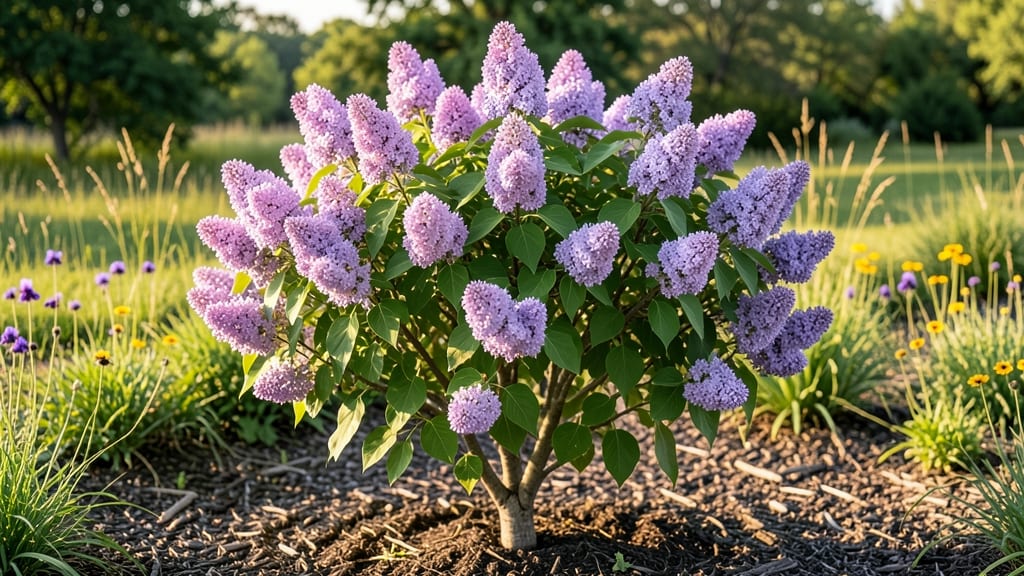
The lilac tree in Colorado needs pruning right after its purple blooms fade—this is the secret to next year’s showstopping lilacs. 🌿 I’ve seen hardy lilacs turn into leggy shadows when pruned at the wrong time, but timing it perfectly after the last bloom means three times more flowers the following spring.
The key? Cutting back to strong buds while avoiding late-season growth that won’t harden off before winter.
The best varieties for Colorado’s dry air and alkaline soil are ‘Missouri Volunteer’ (drought-tolerant) and ‘Dwarf Korean’ (compact for small yards). Plant them in full sun with well-draining soil, and space them 6-10 feet apart—they’ll reward you with fragrance that fills entire neighborhoods.
Water deeply once a week after planting, then taper off as roots establish, because Colorado’s thin air means lilacs dry out faster than you’d expect.
When you prune correctly, you’ll see dense, bushy growth by summer, with blooms so thick they’ll need no staking. The trick is thinning out old wood while keeping the plant’s natural shape—no need for drastic cuts.
Just watch for those reddish buds forming after blooming, and you’ll know exactly where to make your cuts.
Winter protection is easy: a 3-inch layer of mulch around the base keeps roots from freezing, and a burlap wrap shields tender stems from our brutal winds.
By spring, your lilacs will burst into bloom earlier than ever, proving that Colorado’s climate can actually work in your favor when you know the right moves.
📚 In This Guide
- What you need
- Instructions
- Tips and common mistakes
- Wrapping up and next steps
What you need
- ● Pruning shears: Bypass pruners (sharp, clean) for small branches (1/4"–3/4" diameter). Example: Fiskars Steel Bypass Pruners.
- ● Loppers: For thicker branches (3/4"–2" diameter). Look for ratcheting loppers (e.g., Corona Ratcheting Lopper) for extra leverage.
- ● Pruning saw: For branches >2" in diameter (e.g., Felco F-2 Pruning Saw).
- ● Disinfectant: 70% isopropyl alcohol or rubbing alcohol to sterilize tools between cuts (prevents disease spread).
- ● Gloves: Heavy-duty gardening gloves (e.g., mechanics’ gloves) to protect against thorns and sap.
- ● Heavy-duty trash bags: 30–50 gallon size for debris cleanup.
- ● Ladder (if needed): Extendable aluminum ladder (e.g., 24–32 ft) for tall trees. Safety first!
- ● Work boots or sturdy shoes: With ankle support for stability.
- ● Hand pruners: For precision trimming of tiny stems.
- ● Tree wound dressing: (e.g., Tanglefoot Tree Wound Pruning Sealer)—controversial but some swear by it for large cuts.
- ● Marking spray: (e.g., paint or chalk) to flag branches for removal.
- ● Safety glasses: To shield eyes from debris.
- ● Knee pads: For comfort during ground-level trimming.
- ● Weather check: A portable weather app to avoid pruning during Colorado’s unpredictable storms.
- ● Timing: Prune right after blooming (late May–early June in Colorado) to avoid cutting off next year’s flowers. Never prune in fall or winter!
- ● Tree health: Inspect for pests (e.g., borers) or disease (powdery mildew) before pruning. Report severe issues to CSU Extension.
- ● Local regulations: Check Colorado’s HOA or city codes—some areas restrict tree removal/pruning.
- ● Tool sharpening: Use a file or sharpening stone to keep blades razor-sharp for clean cuts.
Instructions for Colorado lilac tree pruning
Colorado’s unique climate demands a tailored approach to lilac care—here’s how to prune for vibrant blooms and healthy growth.
✂️ Step 1: Time Your Pruning to Colorado’s Seasons
Lilacs bloom on old wood, so prune immediately after flowering—typically late May to early June in Colorado. This ensures next year’s buds form properly. Avoid pruning in fall or winter, as cold snaps can stress the plant. If your lilac blooms late, wait until after the last frost date (usually mid-May in Denver) to avoid damaging dormant buds.
Watch for new leaf growth after flowering—this signals the plant has finished blooming and is ready for pruning. Colorado’s sudden temperature swings mean timing matters: prune on a mild, dry day to prevent stress from cold or wet conditions.
✂️ Step 2: Remove Dead, Weak, or Crowded Branches
Start by cutting out dead, diseased, or crossing branches—these compete for energy and invite pests. Use clean, sharp pruners to make 45-degree cuts just above a healthy bud or branch collar. Colorado’s dry air can dry out wounds, so seal larger cuts with pruning sealant if the branch is over ½ inch thick.
Thin out crowded branches to improve airflow—this prevents fungal issues common in Colorado’s humid summer months. Aim for an open vase shape to let sunlight reach the center. If your lilac has leggy growth, cut back one-third of the longest stems to encourage bushier growth.
✂️ Step 3: Shape for Balance and Airflow
Step back and assess the lilac’s shape—Colorado’s strong winds can distort growth, so prune to maintain a natural, balanced silhouette. Focus on outer branches first, cutting back to just above a bud that faces outward. Avoid heavy pruning in one area, as this can create uneven regrowth.
For mature lilacs, lightly trim the oldest stems at the base—these produce fewer blooms and weaken the plant. Colorado’s alkaline soil often stresses lilacs, so pair pruning with a balanced fertilizer (10-10-10) in early spring to support recovery.
🌿 Step 4: Post-Pruning Care for Colorado Conditions
Water deeply after pruning to help the plant recover, especially if Colorado’s dry spring air has stressed it. Mulch with 2-3 inches of organic mulch (like shredded bark) to retain moisture and protect roots from temperature swings. Avoid piling mulch against the trunk to prevent rot.
Monitor for aphids or powdery mildew—common in Colorado’s humid summers. Spray with neem oil if you spot pests, and ensure good airflow by spacing plants 6-8 feet apart. Lilacs thrive in full sun, so prune to maintain sunlight access to the center of the plant.
Tips & tricks for Colorado lilac tree pruning
Colorado’s climate throws curveballs at gardeners—here’s how to master lilac pruning like a local pro.
Seasonal Timing Secret: The late May to early June window is critical because lilacs bloom on old wood—meaning next year’s flowers form on this year’s growth. If you prune too early, you risk cutting off buds before they set. Here’s the trick: wait until after the last frost date (usually mid-May in Denver) and look for new leaf growth as your cue. Colorado’s unpredictable weather means checking the forecast for a mild, dry day is non-negotiable—wet conditions can stress the plant and invite fungal issues.
Cutting Technique That Changed Everything: When removing branches in Step 2, make sure your pruners are clean and sharp—dull blades tear wood, creating larger wounds that heal poorly in Colorado’s dry air. For branches over ½ inch thick, seal cuts with pruning sealant to prevent moisture loss. I’ve seen too many pruning jobs go wrong because gardeners skip this step. Pro tip: angle your cuts just above a healthy bud at a 45-degree angle—this directs water runoff away from the wound and encourages proper healing.
Airflow Strategy for Colorado’s Humid Summers: Thin out crowded branches to create an open vase shape—this isn’t just about aesthetics. Colorado’s summer humidity creates perfect conditions for powdery mildew if airflow is restricted. Focus on removing branches that cross or rub against others, and avoid heavy pruning in one area. For leggy growth, cut back one-third of the longest stems to encourage bushier, more compact growth. Step back frequently to visualize the shape—you’re aiming for sunlight to reach the center of the plant.
Post-Pruning Recovery Hack: After pruning, water deeply to help the plant recover, especially if Colorado’s dry spring air has stressed it. The key is to mulch with 2-3 inches of organic material like shredded bark—this retains moisture and protects roots from temperature swings. But here’s what nobody tells you: avoid piling mulch directly against the trunk. Too much mulch here can trap moisture and lead to rot, which is the last thing you want after all that hard work.
Pro Tips for Lilac Tree Colorado
- Colorado’s climate throws curveballs at gardeners—here’s how to master lilac pruning like a local pro.
- Seasonal Timing Secret: The late May to early June window is critical because lilacs bloom on old wood—meaning next year’s flowers form on this year’s growth.
- Cutting Technique That Changed Everything: When removing branches in Step 2, make sure your pruners are clean and sharp—dull blades tear wood, creating larger wounds that heal poorly in Colorado’s dry air.
Frequently asked questions
When is the best time to prune lilacs in Colorado?
Prune lilacs right after they finish blooming (typically late May to early June in Colorado). This ensures next year’s flowers form on new wood. Avoid pruning in fall or winter—it can stimulate late-season growth that’s vulnerable to cold snaps. Pro tip: If you miss this window, wait until early spring (before buds swell) to avoid cutting off next year’s blooms.
Can I prune lilacs in Colorado’s hot summers?
While lilacs can tolerate summer heat, avoid heavy pruning during peak summer (July–August). The stress of trimming + high temps can weaken the tree. If you must prune, do it early morning or late evening to reduce heat shock. Water deeply before and after pruning to help recovery.
How much can I trim back a mature lilac tree safely?
For established lilacs, never cut back more than 1/3 of the plant in a single year. Over-pruning reduces blooms and stresses the tree. Focus on removing old wood (older than 3 years) and shaping the canopy. If your lilac is overgrown, spread pruning over 2–3 years for best results.
What if my Colorado lilac isn’t blooming well?
Poor blooms often stem from over-pruning, lack of sunlight, or nutrient deficiencies. Check these fixes:
- Sunlight: Lilacs need 6+ hours of sun daily—move or thin nearby trees if needed.
- Fertilizer: Apply a balanced, slow-release fertilizer in early spring (e.g., 10-10-10).
- Pruning: Ensure you’re cutting back to healthy buds (look for plump, green buds at branch junctions).
Are there drought-tolerant lilac varieties for Colorado?
Yes! Consider these low-water options for Colorado’s dry climate:
- ‘Dwarf Korean Lilac’ (Syringa meyeri) – Compact, thrives in partial shade, and needs minimal water once established.
- ‘Bloomerang Lilac’ (Syringa ‘Bloomerang’) – Reblooms twice a year and handles drought better than traditional varieties.
- ‘Miss Kim’ Lilac – Drought-resistant once mature, with fragrant lavender blooms.
Wrapping up and next steps
Pruning your lilac tree in Colorado doesn’t have to be intimidating—with the right timing, tools, and techniques, you’ll enjoy stunning blooms and a healthier plant year after year! 🌸 The key is to strike a balance: trim after flowering, shape strategically, and keep an eye out for pests or diseases.
Whether you’re a seasoned gardener or just starting out, a little patience and care will make all the difference.
Ready to take the next step? Mark your calendar for late spring or early summer, gather your tools, and give your lilac the love it deserves. Your future blooms will thank you!