
Pruning
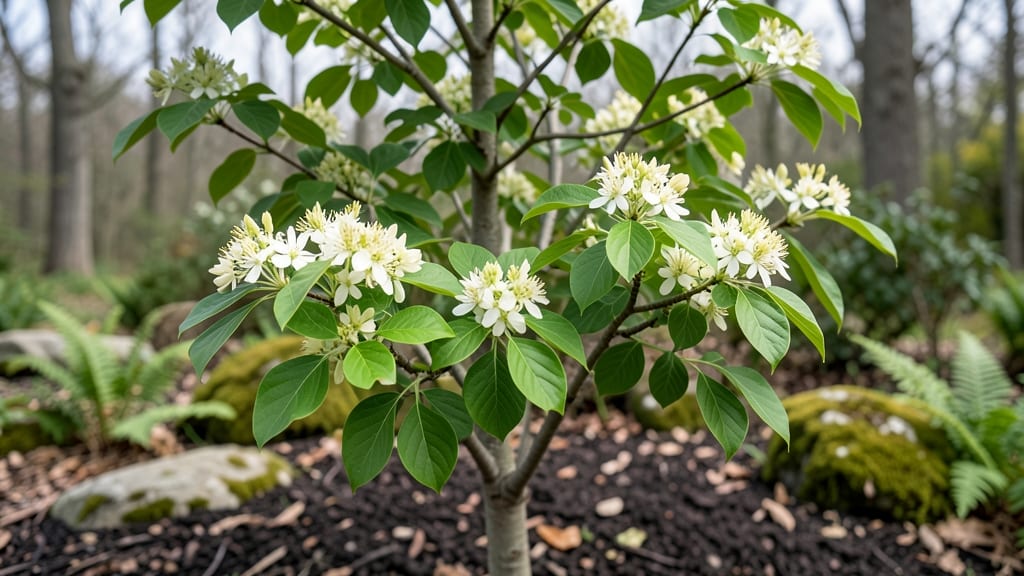
That first flush of dogwood tree green in spring is what makes these trees worth the wait—if you prune right, your Cornus florida will burst with vibrant foliage every year. 🌿 I’ve spent years watching dogwoods turn from dull to dazzling, and the secret isn’t complicated: it’s all about when and how you cut.
Too late, and you stunt next year’s blooms; too aggressive, and you risk stressing the tree. The goal? Keep those leaves lush and the branches balanced so sunlight reaches every inch.
Start by giving your dogwood the right conditions: morning sun and afternoon shade in warmer zones, and well-draining soil that stays slightly moist but never soggy. Most problems—yellowing leaves, sparse blooms—trace back to watering or soil issues, not pruning itself.
Once established, dogwoods are tough, but they do need occasional trimming to remove dead wood and open up the canopy. Think of pruning as a spring tune-up, not a summer overhaul.
By mid-May, you’ll see the payoff: glossy, deep-green leaves that stay vibrant through summer, and a sturdy structure that supports those iconic spring blooms. The key is patience—dogwoods reward careful pruning with years of neighborhood-jealousy levels of green.
Just avoid cutting back more than 25% of the tree at once, and always use clean, sharp tools to prevent disease.
This guide works for both young saplings and mature trees, whether you’re dealing with a single specimen or a small grove. The same principles apply whether your dogwood is in full sun or dappled shade—adjust your timing, not your technique. Let’s get those branches looking sharp and that foliage popping.
📚 In This Guide
- What you need
- Instructions
- Tips and common mistakes
- Wrapping up and next steps
What you need
- ● Pruning shears: Bypass pruners (for cuts under ½ inch thick) – 1 pair (look for sharp, ergonomic handles).
- ● Loppers: For branches ½ to 2 inches thick – 1 pair (with a long handle for reach).
- ● Pruning saw: For thicker branches (2+ inches) – 1 saw (bow saw or folding pruning saw).
- ● Disposable gloves: Heavy-duty gardening gloves – 1 pair (protects from thorns and sap).
- ● Rubbing alcohol (70%+) or bleach solution: For sterilizing tools – small bottle or spray (prevents disease spread).
- ○ Pruning sealant (optional but helpful): For large cuts (1+ inch) – small tube (speeds healing).
- ● Bucket or bag: For collecting debris – 1 medium-sized container (or a tarp if outdoors).
- ● Extension pole: For high branches – 1 pole (adjustable length, 6–12 ft).
- ● Safety glasses: Protects eyes from debris – 1 pair (lightweight and comfortable).
- ● Marking twine or tape: To flag branches for removal – small roll (colorful for visibility).
- ● Step stool or ladder: For stability – 1 sturdy stool or ladder (non-slip base!).
- ● Camera or phone: To document progress – 1 device (helpful for tracking growth).
Step-by-step pruning guide for vibrant dogwood blooms
Here's how I keep my dogwoods blooming like clockwork every spring—no guesswork, just clear cuts.
✂️ Step 1: Time Your Pruning for Maximum Impact
Prune your dogwood immediately after flowering but before new buds form. This timing ensures you remove spent blooms while preserving next year's flower buds, which develop on last year's growth. I mark my calendar for late April to early May—right after those iconic white or pink bracts fade. If you prune too early, you risk cutting off flower buds before they set.
Watch for the first signs of new leaf growth on the branches. When you see fresh green emerging but no new flower buds yet, that's your window. Cold snaps can delay this, so don't rush—wait until the weather stabilizes for 5-7 days of mild temperatures.
🌿 Step 2: Remove Dead, Diseased, or Weak Branches First
Start by scanning the tree for branches that are dead (no green leaves), diseased (black spots, oozing sap), or crossing others (rubbing against adjacent branches). Use sharp pruning shears to make clean cuts at a 45-degree angle, about ¼ inch above an outward-facing bud. This prevents water from pooling and rotting the wound.
I always cut back to a healthy bud or branch junction. If a branch is larger than 2 inches in diameter, use a pruning saw for a smooth cut. Remove any suckers at the base of the tree—those saplings steal energy from your main blooms. Here's the thing—if a branch is completely dead, cut it all the way back to the trunk or a live branch.
✂️ Step 3: Thin the Canopy for Better Airflow and Light
Step back and look at the tree's shape. Your goal is to create an open center that lets light and air circulate. Remove 10-20% of the oldest branches to reduce crowding. Focus on branches growing inward or downward—they block sunlight from reaching the center where next year's buds form.
Make your cuts just outside the branch collar (the swollen area where the branch meets the trunk). Never leave stubs—they invite disease. For branches thicker than ½ inch, cut in three stages: first undercut the bottom, then top-cut above the target bud, and finally remove the branch. This prevents tearing.
☀️ Step 4: Shape for Balance and Future Blooms
Now it's time to refine the tree's form. Dogwoods naturally grow as multi-stemmed shrubs, so I aim for a rounded, vase-like shape with 3-5 main branches evenly spaced. Prune to encourage new growth on the outer portions of the tree—this is where the most vibrant blooms appear.
Use hand pruners for branches up to ½ inch thick and loppers for thicker branches. Avoid over-pruning—never remove more than 25% of the tree's foliage in one season. If you see water sprouts (fast-growing, vertical shoots), cut them back to a lateral branch. These shoots rarely bloom and disrupt the tree's natural shape.
🪴 Step 5: Clean Up and Monitor for Recovery
After pruning, gather all clippings and dispose of them in the trash—not the compost pile. Dogwoods are susceptible to fungal diseases like anthracnose, and infected branches can spread spores. Sterilize your tools with rubbing alcohol between cuts to prevent cross-contamination.
Water the tree deeply right after pruning to help it recover. You'll notice new growth within 4-6 weeks—look for fresh green shoots emerging from the pruned areas. If the tree looks stressed (yellowing leaves, wilting), it may need a light application of balanced fertilizer. But here's the key: dogwoods bloom best when slightly stressed, so don't over-fertilize.
Tips & tricks for perfect dogwood pruning
Dogwoods reward precise pruning with stunning spring blooms—here's how to avoid common mistakes that steal their potential.
Timing is Everything: The 5-7 day weather window after flowering is non-negotiable. I've learned this the hard way—pruning too early cuts off next year's flower buds, while waiting too long risks summer heat stress. Mark your calendar for late April to early May, but always confirm by checking for fresh green leaves without new flower buds. Use a small notebook to track bloom dates year after year—your dogwood will thank you with bigger blooms.
Tool Prep Prevents Problems: Sterilize your pruning tools with rubbing alcohol between every cut, especially when dealing with diseased branches. I keep a small bottle of 70% isopropyl alcohol in my pruning kit. Sharp tools make clean cuts at the 45-degree angle—dull tools crush branches, creating larger wounds that heal poorly. Test your tools on a scrap piece of wood before starting; if they don't cut cleanly, sharpen them first.
Visual Cues for Perfect Cuts: When removing branches, look for the branch collar—the swollen area where the branch meets the trunk. Your cut should be just outside this collar, never leaving a stub. For branches thicker than ½ inch, use the three-cut method: undercut first, then top-cut above your target bud, and finally remove the branch. This prevents tearing that invites disease. I tape a small photo of a properly cut branch to my toolbox as a reminder.
Recovery Strategy: After pruning, water deeply to help the tree recover. You'll see fresh green shoots emerge within 4-6 weeks—this is your confirmation that the tree is healing properly. If you notice yellowing leaves or wilting, hold off on fertilizer. Dogwoods bloom best when slightly stressed, so resist the urge to over-feed. A light application of balanced fertilizer only helps if the tree clearly needs it.
Pro Tips for Dogwood Tree Green
- Dogwoods reward precise pruning with stunning spring blooms—here's how to avoid common mistakes that steal their potential.
- Timing is Everything: The 5-7 day weather window after flowering is non-negotiable.
- Tool Prep Prevents Problems: Sterilize your pruning tools with rubbing alcohol between every cut, especially when dealing with diseased branches.
Frequently asked questions
Got questions about keeping your dogwood tree green and thriving? We’ve got answers! Whether you're a new pruner or a seasoned gardener, these common queries will help you care for your tree like a pro.
When is the best time to prune a dogwood tree for green, healthy growth?
The ideal time to prune dogwood trees is late winter or early spring, just before new growth begins. This timing ensures you don’t disrupt the tree’s energy reserves and promotes vibrant blooms in spring. Avoid pruning in fall, as it can stimulate late-season growth vulnerable to frost damage.
How much can I trim off a dogwood tree without harming it?
For mature dogwood trees, you can safely remove up to 25-30% of the canopy in a single pruning session. For younger trees, limit pruning to 10-15% to avoid stress. Focus on removing dead, diseased, or crossing branches first, then thin out overcrowded areas to improve airflow and sunlight penetration.
Why are my dogwood tree’s leaves turning brown or yellow after pruning?
Brown or yellow leaves after pruning could signal stress, disease, or improper timing. If pruned too late in the season, new growth may struggle in cooler weather. Check for signs of powdery mildew or anthracnose (common dogwood diseases) and treat with fungicide if needed. Ensure you’re using clean, sharp tools to prevent infections.
Can I prune a dogwood tree in summer to keep it green and bushy?
Light summer pruning is possible, but avoid heavy cuts during this time. Focus on removing only dead or diseased branches and a few overgrown stems to maintain shape. Heavy summer pruning can stress the tree and reduce next year’s blooms. If you must prune, do so early morning to minimize heat stress.
What’s the best alternative if my dogwood tree isn’t thriving after pruning?
If your dogwood struggles despite proper pruning, consider soil amendments, mulching, or fertilization. Dogwoods prefer acidic, well-draining soil—test your soil’s pH and add compost or peat moss if needed. Also, ensure it gets partial shade (especially in hot climates) and consistent moisture. If issues persist, consult a local arborist for a diagnosis.
Wrapping up and next steps
Your dogwood tree’s lush green foliage and stunning spring blooms are well within reach—just with the right pruning know-how! 🌿 By following these steps, you’ll encourage healthier growth, prevent disease, and enjoy those iconic white (or pink!) flowers year after year. Remember: timing, sharp tools, and patience are your best friends.
Ready to transform your yard into a springtime showstopper? Grab those pruners and start pruning today—your dogwood will thank you with vibrant blooms for seasons to come!