
Pruning
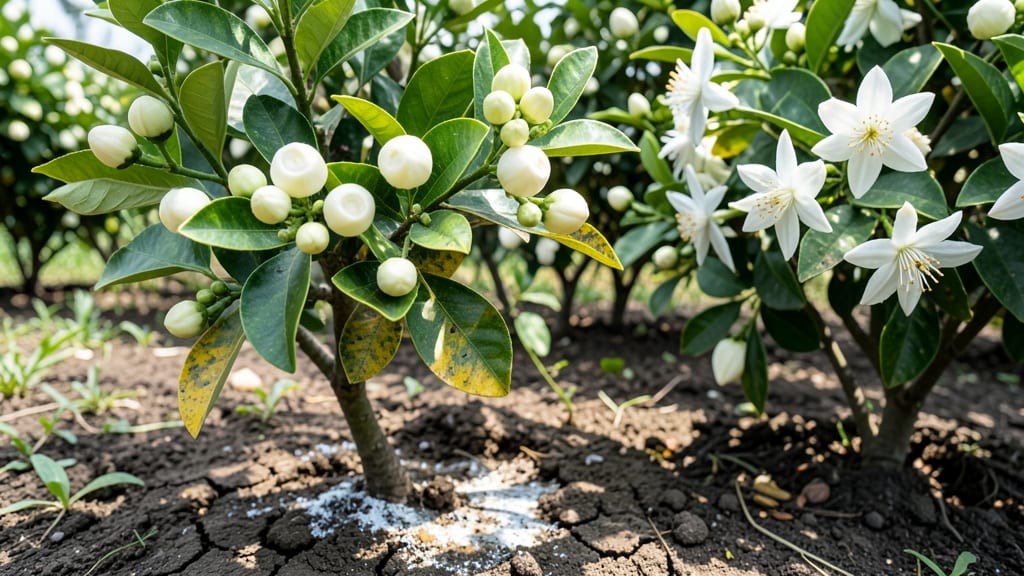
A lime tree not flowering is one of the most frustrating gardening puzzles. 🌿 After years of watching neighbors' trees burst with fragrant white blooms, I finally cracked the code—it wasn't just about pruning, but the right timing, nutrients, and environmental balance.
The most common culprits are too much nitrogen (which fuels leaves over flowers), improper pruning (cutting back too late in the season), or inconsistent watering that stresses the tree.
Young trees under 3 years old rarely bloom—patience is key—but if your mature tree has gone years without flowers, it's time to investigate.
You'll see the first signs of progress within 4-6 weeks of adjusting care: new growth appears, leaves stay vibrant, and—most exciting—tiny flower buds form along the branches. The key is balancing pruning, fertilizer, and environmental conditions to trigger that bloom signal.
Works for both dwarf Meyer limes and standard varieties, and the same principles apply whether you're in a warm climate or container-growing in cooler zones. Let's get those flowers coming back!
Root Causes Behind Missing Blooms
When your lime tree refuses to flower, it’s often a silent signal from nature that something’s off—whether it’s a hidden nutrient deficiency, environmental stress, or even a misstep in care. Understanding these triggers is the first step to coaxing those fragrant blooms back to life.
Let’s break down the science behind why your lime tree might be playing hard to bloom.
---
Lime trees, like many fruit-bearing trees, are patient creatures. Young trees—typically under 3 to 5 years old—focus their energy on growing leaves, branches, and roots rather than flowering. This is a survival strategy: a strong structure supports future fruit production.
Why it happens: - Hormonal priority: Auxins (a type of plant hormone) produced in growing shoots suppress flowering until the tree reaches a critical size. - Root-to-shoot ratio: A well-established root system (often 2–3 years in) is needed to sustain the energy demands of blooming and fruiting. - Variety matters: Dwarf varieties (like ‘Meyer’) may bloom earlier (1–2 years), while standard types (e.g., ‘Bearss’) can take 5+ years.
Actionable fix: - Patience is key! Avoid pruning aggressively in the first few years—this can delay maturity further. - Fertilize wisely: Use a balanced fertilizer (6-6-6 or 10-10-10) in early spring to encourage root and shoot growth without overstimulating flowers prematurely.
---
Lime trees are sun-worshippers, and insufficient light or extreme temperatures can throw their flowering cycle into chaos. Too little sun = no blooms. Too much heat or cold = stressed tree = no energy for flowers.
Why it happens: - Photosynthesis shutdown: Inadequate sunlight (less than 6–8 hours of direct sun daily) limits the tree’s ability to produce carbohydrates, which are the fuel for flower buds. - Temperature thresholds: - Too cold: Lime trees (especially tropical varieties) need winter temperatures above 20°F (-6°C). Frost damage can kill flower buds before they open. - Too hot: Heatwaves above 95°F (35°C) can cause flower drop or prevent bud formation entirely. - Seasonal mismatches: Early or late frosts can disrupt the tree’s internal clock, delaying or halting flowering.
Actionable fix: - Relocate or prune: If your tree is in shade, thin nearby foliage or transplant it to a sunnier spot. - Protect from extremes: Use frost cloth in winter or shade cloth during heatwaves to stabilize temperatures. - Choose the right zone: If you’re in a colder climate, opt for cold-hardy varieties like ‘Sour Orange’ lime (tolerates down to 15°F/-9°C).
---
Flowers are energy-intensive, and a lime tree won’t invest in blooms if it’s malnourished. Specific deficiencies can stall flowering entirely.
| Nutrient | Deficiency Signs | Impact on Flowering | Fix | |--------------|-----------------------------------------------|--------------------------------------------------|------------------------------------------| | Nitrogen (N) | Yellowing leaves (older first), stunted growth | Delays maturity, reduces flower bud formation | Apply balanced fertilizer (e.g., 10-10-10) in early spring. | | Phosphorus (P) | Dark green/purple leaves, weak roots | Poor root development = less energy for flowers | Use bone meal or superphosphate in fall. | | Potassium (K) | Yellowing leaf edges, weak stems | Increases susceptibility to stress, reduces blooms | Apply potassium sulfate or banana peel compost. | | Calcium (Ca) | Blossom-end rot in fruit, distorted new growth| Disrupts cell division in flower buds | Add crushed eggshells or lime (not to be confused with the tree!). | | Magnesium (Mg) | Yellowing between leaf veins (interveinal chlorosis) | Weakens photosynthesis, limits flower energy | Sprinkle Epsom salt (magnesium sulfate) around the base. |
Pro tip: 💡 Test your soil! A simple DIY soil test kit (or lab test) can reveal exact deficiencies. Lime trees thrive in slightly acidic to neutral soil (pH 6.0–7.5)—adjust with sulfur (for high pH) or lime (for low pH).
---
Pruning is a double-edged sword. Done wrong, it can severely reduce flowering by removing too much foliage (which produces food via photosynthesis) or disrupting the tree’s hormonal balance.
Why it happens: - Excessive pruning: Cutting back more than 25% of the canopy in one go stresses the tree, diverting all energy to regrowth instead of flowers. - Wrong time: Pruning too late in the season (after bud formation) can remove potential flower buds before they open. - Improper cuts: Topping (cutting back to a stub) or shearing creates weak, non-fruiting branches.
Actionable fix: - Prune at the right time: For lime trees, late winter or early spring (just before new growth) is ideal. Avoid pruning in fall or summer. - Follow the 1/3 rule: Never remove more than one-third of the canopy in a single session. - Shape strategically: Focus on opening the center of the tree for sunlight and removing suckers (shoots from the base) that drain energy.
--- Water stress—whether from drought or overwatering—can halt flowering by disrupting the tree’s metabolic processes.
Why it happens: - Underwatering: Causes root stress, reducing the tree’s ability to transport nutrients and water to developing buds. - Overwatering: Leads to root rot (from Phytophthora fungi) or nutrient leaching, weakening the tree’s overall health. - Inconsistent moisture: Lime trees hate dry spells followed by heavy watering, which confuses their growth cycle.
Actionable fix: - Deep and infrequent: Water deeply 1–2 times per week (depending on climate) to encourage deep root growth. - Mulch properly: Apply 2–4 inches of organic mulch (wood chips, straw) to retain moisture and regulate soil temperature. - Check soil moisture: Stick your finger 2–3 inches into the soil—if it’s dry, water; if soggy, hold off.
--- Pests like aphids, scale insects, or mites sap the tree’s vitality, while diseases (e.g., citrus greening or root rot) can block flowering entirely.
Why it happens: - Sap-sucking pests (e.g., citrus psyllids) inject toxins that distort new growth and prevent bud formation. - Fungal infections (e.g., anthracnose) can kill flower buds before they open. - Root damage (from nematodes or overwatering) reduces nutrient uptake, starving the tree of flowering energy.
Actionable fix: - Inspect regularly: Check undersides of leaves and new shoots for pests. Use neem oil or insecticidal soap for mild infestations. - Remove infected branches: Prune and dispose of diseased tissue (don’t compost!) to prevent spread. - Prevent root issues: Avoid compacted soil and ensure good drainage to deter nematodes and rot.
Revive Blooms With These Fixes
Now that you understand why your lime tree might be skipping its floral show, let’s roll up our sleeves and get to work! 🌿💐 The good news? Most flowering issues are fixable with a little patience and targeted care.
Below, we’ve mapped out practical solutions for each common cause—plus pro tips to keep your tree blooming like a pro.
---
Fix: Prune strategically and at the right time. Lime trees need a balance—too much pruning stresses them, while neglect lets them grow wild. Here’s how to prune for blooms:
1. 🔪 Trim in Late Winter or Early Spring - Prune just before the growing season (Feb–March in most climates) to encourage new growth and flowering. - Avoid heavy pruning in summer or fall—this can stunt flower buds.
2. 🌿 Focus on Shape, Not Size - Remove dead, diseased, or crossing branches first. - Thin out the canopy by cutting back 1/3 of the oldest wood to stimulate fresh growth. - Never shear lime trees—it creates dense foliage that blocks sunlight and flowers.
3. 💡 Pro Tip for Heavy Pruners If you’ve overpruned in the past, stop now and let the tree recover for a season. Feed it with citrus-specific fertilizer (high in nitrogen and potassium) to rebuild energy.
---
Fix: Move or adjust the tree for optimal light. Lime trees are sun-worshippers—6+ hours of direct sunlight daily is non-negotiable for blooms.
1. 🌞 Relocate the Tree (If Possible) - If planted in shade, transplant to a sunnier spot (spring or fall is best). - Use a dolly or tarp to protect roots during moves.
2. 🏡 Adjust Surroundings - Trim nearby trees/shrubs blocking sunlight. - Remove tall structures (like fences or walls) casting shade. - Reflective surfaces (white walls, mirrors) can bounce extra light onto the tree.
3. 💡 Quick Fix for Container Growers Move potted lime trees closer to a sunny window or use a grow light (12–14 hours/day) in winter.
---
Fix: Adjust watering and feeding for peak health. Too much or too little water + poor soil = no flowers. Let’s dial it in:
| Issue | Solution | Prevention Tip | |--------------------------|-----------------------------------------------------------------------------|---------------------------------------------| | Underwatering | Water deeply 2–3x/week (1–2 inches per session). Check soil moisture. | Mulch with 3–4 inches of organic matter to retain moisture. | | Overwatering | Let soil dry 2–3 inches deep between waterings.
Improve drainage. | Plant in well-draining soil (sandy loam ideal). | | Nutrient Deficiency | Fertilize with citrus-specific fertilizer (e.g., 6-6-6 or 8-3-9 ratio). | Test soil annually and amend with compost. | | Too Much Nitrogen | Switch to a low-nitrogen, high-phosphorus fertilizer (e.g., 3-6-6). | Avoid lawn fertilizers—they’re nitrogen-heavy! |
💡 Pro Tip for Fast Results: - Epsom salt boost: Mix 1 tbsp Epsom salt per gallon of water and spray foliage monthly for magnesium (helps with flowering).
---
Fix: Protect the tree from extremes and pests. Cold snaps, heatwaves, and pests can all sabotage blooms. Here’s how to shield your lime tree:
1. 🥶 Winter Protection - Mulch heavily (4–6 inches) around the base to insulate roots. - Wrap the trunk in burlap if temps drop below 20°F (-6°C). - Avoid pruning in winter—it stresses the tree further.
2. 🔥 Summer Care - Mist leaves in extreme heat (or use a shade cloth if temps exceed 95°F). - Mulch again in late summer to cool roots.
3. 🐜 Pest & Disease Control - Spray neem oil (monthly) to deter aphids, mites, and scale. - Remove fallen leaves to prevent fungal diseases (like citrus canker). - Quarantine new plants before adding to your garden.
💡 Pro Tip for Young Trees: - Root barriers can help if nearby construction or foot traffic stresses roots.
---
Fix: Work with the tree’s natural cycle. Some lime trees (like dwarf varieties) bloom later, while older trees may need a reset.
1. 🌱 For Young Trees (Under 3 Years) - Be patient—most lime trees take 3–5 years to flower. - Avoid heavy pruning—focus on training the structure.
2. 🌳 For Mature Trees (10+ Years) - Rejuvenation pruning: Cut back 1/3 of the oldest branches in stages over 2–3 years. - Renewal fertilization: Use a balanced fertilizer (like 10-10-10) to wake up dormant growth.
💡 Pro Tip for Non-Flowering Varieties: - If you have a key lime (Citrus aurantifolia), it’s normal to bloom less than Persian limes. Try cross-pollinating with another citrus tree nearby.
--- Before calling it a day, run through this quick checklist: ✅ Sunlight: 6+ hours daily? If not, relocate. ✅ Water: Soil moist but not soggy? Adjust your routine. ✅ Pruning: Last cut was in late winter/early spring?
No shearing! ✅ Fertilizer: Used citrus-specific feed this season? ✅ Pests/Disease: Check leaves for yellowing, spots, or bugs.
--- 🌟 Remember: Lime trees are resilient! With consistent care, you’ll see buds within 6–12 months. Keep an eye out for those first tiny white flowers—they’re worth the wait. 💐✨
Frequently asked questions
Why won’t my mature lime tree bloom after years of growth?
Even mature lime trees need the right conditions to flower. Check for these common blockers: over-fertilizing with nitrogen (which fuels leaves over flowers), insufficient sunlight (less than 6–8 hours daily), or root stress from inconsistent watering. If your tree is over 10 years old, try rejuvenation pruning—cut back 1/3 of oldest branches in stages over 2–3 years to stimulate new growth.
Can I force my lime tree to flower faster?
Not reliably, but you can accelerate the process with targeted care. Shift to a low-nitrogen, high-phosphorus fertilizer (like 3-6-6) to encourage blooming, and ensure full sun exposure. For container-grown trees, move them to a sunnier location or supplement with a grow light (12–14 hours/day) in winter. Patience is key—most trees take 6–12 months to respond.
Is it normal for a 2-year-old lime tree to have no flowers?
Young lime trees focus energy on root and branch growth before flowering. Dwarf varieties (like Meyer limes) may bloom as early as 1–2 years, while standard types often wait until 3–5 years old. Avoid heavy pruning in the first few years—it delays maturity. Instead, use a balanced fertilizer (6-6-6) in early spring to support steady growth.
What’s the best time to prune a lime tree for flowers?
Prune in late winter or early spring (just before new growth) to maximize blooms. Avoid summer or fall pruning, as this can remove potential flower buds. Focus on thinning the canopy (remove 1/3 of oldest wood) to improve airflow and sunlight penetration. Never shear lime trees—it creates dense foliage that blocks blooms.
Could pests or diseases be preventing my lime tree from flowering?
Yes! Sap-sucking pests (like aphids or scale insects) and fungal diseases (e.g., citrus greening) drain the tree’s energy, halting flower production. Inspect leaves for yellowing, sticky residue, or spots. Treat with neem oil monthly and remove infected branches. For root issues (like nematodes), improve drainage and avoid overwatering to prevent stress.