
Container Gardens
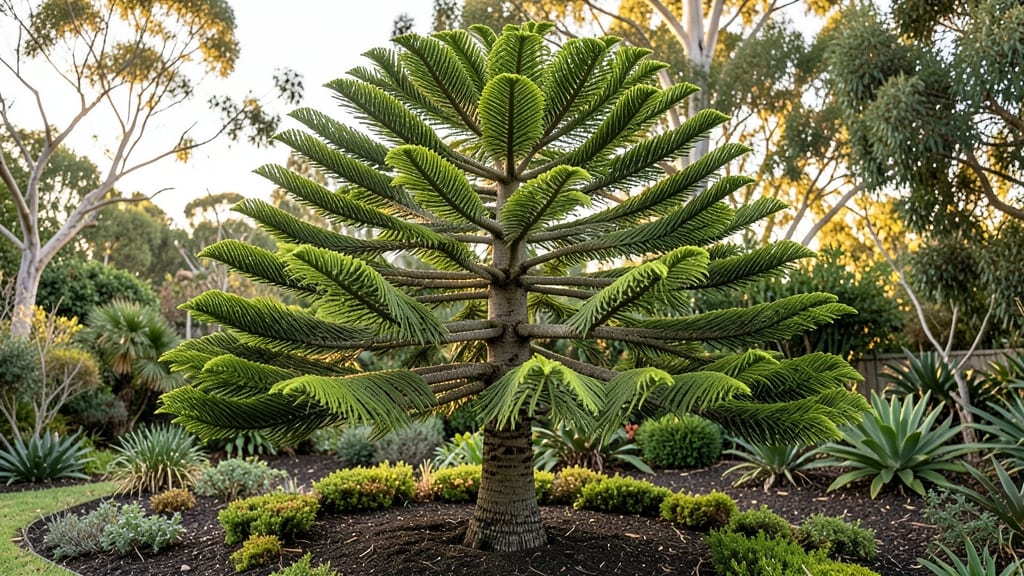
A live pine tree in a pot brings that fresh forest scent to your porch all year. 🌲 I've kept mine thriving for five winters by mastering just three key elements: the right species, a well-draining pot, and a watering schedule that mimics nature's rhythm.
Most people overwater, but pines hate soggy roots—this is where beginners lose their trees.
Start with dwarf varieties like mugo or Scots pine—they handle containers beautifully. Grab a pot with drainage holes (at least 12 inches deep for mature trees) and fill it with a mix of potting soil and perlite.
These trees need bright light but can handle afternoon shade in hot climates, making them perfect for patios or balconies.
You'll notice new growth in spring and maintain that vibrant green color through winter with minimal effort. The key is watering only when the top inch of soil feels dry—once every 1-2 weeks in summer, less in winter. A layer of mulch helps retain moisture while keeping roots cool.
Prune only to shape in early spring, and watch for spider mites on the undersides of needles. Most challenges come from improper watering or pots that outgrow the tree. With these basics, your pine will stay lush and fragrant for years, outlasting any seasonal decor.
📚 In This Guide
- What you need
- Instructions
- Tips and common mistakes
- Wrapping up and next steps
What you need
- ● Pine tree sapling: Choose a dwarf or slow-growing variety (e.g., Pinus mugo or Pinus thunbergii) for container life. Look for a 1- to 3-gallon size with a healthy root system.
- ● Container: A durable, well-draining pot (12–18 inches in diameter) with drainage holes. Terracotta or fiberglass works best to prevent root rot.
- ● High-quality potting mix: Use a fast-draining blend (e.g., 60% pine bark fines, 20% perlite, 20% sand or pumice). Avoid garden soil—it compacts and suffocates roots!
- ● Mulch: Pine bark or gravel (1–2 inches) to retain moisture and regulate soil temperature.
- ● Fertilizer: A slow-release, acidic fertilizer (e.g., 10-10-10 or 16-4-8) formulated for evergreens. Apply once in early spring.
- ● Gloves & trowel: For planting and handling soil.
- ● Watering can with a narrow spout: To avoid disturbing the soil.
- ○ pH testing kit (optional): Pine trees thrive in acidic soil (pH 4.5–6.0). Test your mix if needed.
- ○ Pruning shears (optional): For shaping or removing dead branches in late winter.
- ○ Slow-release moisture beads (optional): Helps maintain hydration during dry spells.
Step-by-step guide to growing a live pine tree in a pot
Here's how to keep your evergreen looking lush year after year—no green thumb required.
🌱 Step 1: Select the Right Pine Tree and Pot
Choose a slow-growing dwarf pine like 'Mugo' or 'Pugio' for containers—they handle root restriction best. Skip fast growers like Scotch pine; they outgrow pots in 2-3 years. I always pick a 5-gallon container with drainage holes for my first planting because it gives roots room to establish without becoming waterlogged.
Use a well-draining potting mix—never garden soil. Mix equal parts pine bark fines, perlite, and peat moss to mimic the acidic, airy conditions pines love. The bark fines break down slowly, feeding roots over time. Tap the pot gently after filling to eliminate air pockets, then water until moisture runs freely from the drainage holes.
☀️ Step 2: Plant at the Right Depth and Position
Remove the pine from its nursery pot and loosen the root ball with your fingers—don’t wash off soil. Plant so the root flare (where roots meet trunk) sits just above the soil line. Burying too deep suffocates roots and causes rot. I mark the flare with a pencil before planting to avoid mistakes.
Place your pot in full sun for at least 6 hours daily. Pines need bright light to develop rich green needles. A south-facing spot works best, but east or west exposures work too. Watch for needles turning yellow or brown—this signals too much shade or inconsistent watering. Move the pot if you see these signs after 2 weeks.
💧 Step 3: Water Deeply but Infrequently
Water once a week in summer and every 10-14 days in winter—pines hate soggy roots. Stick your finger 2 inches into the soil; if it feels dry, water until moisture drains from the bottom. I use a watering can with a narrow spout to direct water at the root ball without wetting needles, which causes fungal issues.
Empty the saucer after 10 minutes to prevent root rot. Overwatering is the #1 killer of potted pines. You’ll know you’re doing it right when the top inch of soil dries out between waterings and the needles stay vibrant green. If they yellow at the tips, you’re overwatering.
✂️ Step 4: Prune and Fertilize Seasonally
Prune in late winter before new growth starts. Remove dead or crossing branches with clean bypass pruners, cutting just outside the branch collar. Never remove more than 25% of the foliage at once—pines are slow to recover. I shape mine lightly to encourage fullness, but the goal is to maintain natural form.
Fertilize once in early spring with a slow-release pine fertilizer (look for one with 10-10-10 NPK ratio). Follow package rates—overfeeding burns roots. Skip fall fertilization; pines go dormant as temperatures drop. If needles yellow between feedings, flush the soil with water to prevent salt buildup.
🪴 Step 5: Protect and Repot as Needed
Move pots indoors if temperatures drop below 10°F—pines can handle light frost but not prolonged cold. Choose a bright, cool room (50-60°F) away from heat vents. Reduce watering to every 3-4 weeks in winter. Watch for needles dropping—this is normal dormancy, not stress.
Repot every 2-3 years in spring when roots circle the pot. Upgrade by 1-2 pot sizes and refresh the soil mix. I always check for root-bound conditions (roots growing in circles) before repotting. If you see this, trim 10% of the root ball to encourage outward growth. After repotting, water lightly and place in shade for a week to reduce stress.
Tips & tricks for container-grown pine trees
These simple strategies will help your potted pine thrive for years without demanding constant attention.
Pot Selection: The 5-gallon container size is perfect for young dwarf pines, but if you choose a larger pot, make sure it has drainage holes. I've seen people use decorative pots without drainage and end up with root rot—always use a cache pot underneath to catch excess water. For extra stability, place your pine pot on a saucer filled with pebbles (not water) to improve drainage while keeping it elevated.
Soil Mix Secret: That equal parts mix of pine bark fines, perlite, and peat moss isn't just random—it creates the perfect balance of aeration and moisture retention. I like to add a handful of sulfur granules (optional) to boost acidity, which pines love. If you can't find pine bark fines, you can substitute with orchid bark in a pinch, but it breaks down faster.
Light Check: Those 6 hours of full sun are non-negotiable for vibrant needles, but here's what I watch for: If your pine starts dropping needles after 2 weeks in a spot, it's either too shady or getting too much afternoon sun. Move it to an east-facing window or provide afternoon shade with a sheer curtain during summer months. South-facing spots work best, but west-facing can work too if you bring it indoors before sunset.
Winter Care: When temperatures drop below 10°F, don't panic about moving indoors—just choose a bright, cool room between 50-60°F. I've kept pines in sunrooms, basements with windows, and even garages with good light. The key is to keep them away from heat vents and drafts. If you notice needles turning brown but staying attached, that's normal dormancy—don't water more frequently, just maintain the every 3-4 weeks schedule.
Pro Tips for Live Pine Tree In A Pot
- These simple strategies will help your potted pine thrive for years without demanding constant attention.
- Pot Selection: The 5-gallon container size is perfect for young dwarf pines, but if you choose a larger pot, make sure it has drainage holes.
- Soil Mix Secret: That equal parts mix of pine bark fines, perlite, and peat moss isn't just random—it creates the perfect balance of aeration and moisture retention.
Frequently asked questions
Got questions about keeping a live pine tree in a pot thriving? You’re not alone! Here are answers to the most common concerns—from care tips to troubleshooting—to help your evergreen stay lush year-round.
How often should I water my potted pine tree?
Water your pine tree only when the top 1–2 inches of soil are dry—usually every 1–2 weeks, depending on humidity and pot size. Overwatering is the #1 killer! Use well-draining soil and a pot with drainage holes to prevent soggy roots. Pro tip: Check moisture by sticking your finger in the soil—if it’s damp, wait a few more days.
Can I keep a potted pine tree outside in winter?
Yes! Most potted pines (like Pinus mugo or Pinus thunbergii) tolerate winter outdoors if they’re hardy to your zone. Move them to a sheltered spot (like a porch or garage) if temps drop below 10°F (-12°C). Wrap the pot in burlap for extra protection. Warning: Avoid icy winds or salted surfaces, which can damage needles.
What’s the best soil mix for a potted pine tree?
Use a fast-draining, acidic mix like:
- 50% peat moss or coco coir (for moisture retention)
- 30% perlite or pumice (for aeration)
- 20% pine bark fines (for acidity)
Why are my pine tree’s needles turning brown?
Brown needles usually mean overwatering, underwatering, or pests. Check these fixes:
- Overwatered: Let soil dry out completely; ensure the pot drains.
- Underwatered: Water deeply until it runs from the drainage hole.
- Pests (spider mites/scale): Wipe needles with soapy water or use neem oil.
- Winter burn: Shield from harsh sun if moved indoors suddenly.
How big can a potted pine tree grow?
Size depends on the variety and pruning:
- Dwarf pines (e.g., Pinus mugo): 3–6 feet tall/wide (great for patios!).
- Mound-shaped pines (e.g., Pinus thunbergii): 6–10 feet tall with wide canopies.
- Standard pines (e.g., Pinus sylvestris): Can reach 15+ feet but need frequent pruning.
Can I fertilize my potted pine tree?
Yes! Use a slow-release, acidic fertilizer (like 10-10-10 or pine-specific formula) in early spring and midsummer. Avoid high-nitrogen fertilizers—they burn roots. Organic option: Mix in composted pine needles or fish emulsion for a natural boost.
Wrapping up and next steps
Bringing a live pine tree in a pot into your space is a rewarding way to enjoy nature’s evergreen charm with minimal fuss! Whether you’re a seasoned gardener or a beginner, these trees thrive with just a little sunlight, proper drainage, and occasional love. 🌲✨
Ready to transform your home or patio? Start by choosing the perfect pine variety and pot, then follow the simple care tips to keep it lush year-round. Your green oasis awaits—what’s stopping you from planting that first seedling or selecting your tree today?
- Next step: Pick your pine and get growing!