
Pruning
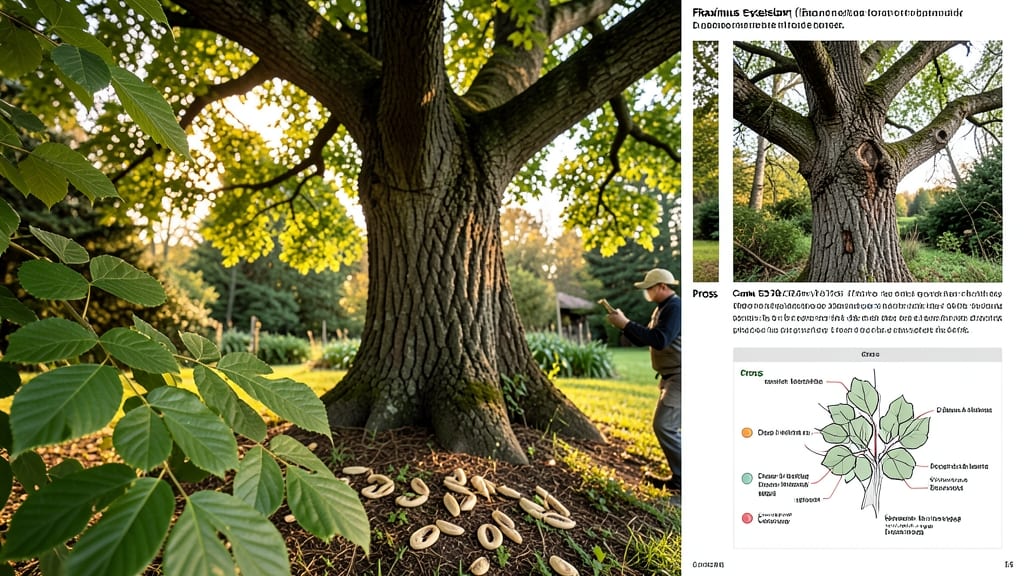
Planting a majestic ash tree comes with the pros and cons everyone should weigh carefully—its golden fall foliage and instant shade are unmatched, but its size and maintenance demands require thoughtful planning. 🌳 These trees grow 50-80 feet tall, making them perfect for rural properties or large urban lots where they can spread their canopy without crowding neighbors.
The pros? Stunning seasonal color, wildlife support, and a sturdy, long-lived structure that outlasts many other shade trees.
Yet their size comes with trade-offs: ash trees need space—at least 30 feet from structures—and their roots can disrupt driveways or sidewalks over time. Disease susceptibility, especially emerald ash borer, is another serious concern, though resistant varieties are now available.
If you’re in a formal garden or have limited yard space, this isn’t the tree for you.
The real beauty of ash trees shines in rural or informal landscapes, where they thrive in full sun and well-drained soil. Their compound leaves filter air, their bark provides habitat, and their fall color—bright yellow, orange, or purple—transforms any backyard into a seasonal showstopper.
Just be prepared for regular pruning to maintain their shape and health.
For urban gardeners, consider dwarf varieties or smaller alternatives like serviceberry or hackberry if space is tight. But if you’ve got the room and want a timeless, towering centerpiece, ash trees deliver unmatched drama—when given the right care and conditions. Weigh the pros and cons carefully before planting.
The first product explained
Meet the Fraser Ash Tree—a true standout in the world of shade trees! 🌳✨ This majestic beauty is a favorite among landscapers and homeowners alike, thanks to its towering height, striking bark, and breathtaking fall foliage. If you're looking for a tree that commands attention while providing shade and curb appeal, the Fraser Ash is a top contender. Let’s dive into what makes this tree so special—and whether it’s the right fit for your yard.
📏 Specs & Features
The Fraser Ash is a fast-growing deciduous tree that can reach heights of 50–75 feet with a spread of 40–60 feet at maturity. Its pyramidal shape makes it an excellent choice for large properties, parks, or as a focal point in urban landscapes. Here’s what sets it apart:
- Bark: Deeply furrowed and dark gray, adding dramatic texture to your landscape.
- Leaves: Compound, with 5–9 leaflets that turn a stunning golden-yellow in fall—a showstopper!
- Flowers/Fruit: Produces small, fragrant flowers in spring, followed by samaras (winged seeds) that add movement and interest.
- Shade: Provides dense, cooling shade thanks to its broad canopy.
- Hardiness: Thrives in USDA Zones 4–9, making it versatile for many climates.
🎯 Target Users
The Fraser Ash is ideal for:
- Homeowners with spacious yards who want a statement tree for privacy, shade, and seasonal color.
- Landscapers and urban planners looking to enhance streetscapes, parks, or commercial properties.
- Wildlife enthusiasts—its seeds and flowers attract birds and other wildlife.
- Eco-conscious gardeners who appreciate its fast growth and low-maintenance nature (once established).
💰 Price Point & Value
Pricing for a 5–7 gallon Fraser Ash tree (typically 6–8 feet tall) ranges from $150–$300, depending on the nursery and region. Larger trees (15+ feet) can cost $500–$1,200+. While the upfront cost may seem steep, consider the long-term benefits:
- Lifespan: Can live for 50–100+ years with proper care.
- Energy savings: Reduces cooling costs in summer by providing shade.
- Property value: A well-placed ash tree can boost curb appeal and resale value.
Pro Tip: 💡 Always check local regulations before planting—some areas restrict tree species for fire safety or pest control reasons.
The second product explained
If you're looking for a hardy, fast-growing alternative to the classic ash tree, the Fraxinus excelsior 'Westhof's Glorie'—commonly known as the Westhof's Glory Ash—stands out as a stunning choice.
This majestic tree isn’t just about aesthetics; it’s a powerhouse of resilience and beauty, perfect for landscapers, homeowners, and urban planners alike. Here’s why it might be the ideal addition to your outdoor space.
🌳 Key Specs & Features
This columnar ash tree grows with an upright, narrow habit, making it ideal for smaller yards or tight spaces. Here’s what sets it apart:
- Mature Height: 40–50 feet (with a narrower canopy than traditional ash trees, typically 15–20 feet wide).
- Growth Rate: Moderate to fast (12–24 inches per year), so you’ll see noticeable growth in just a few seasons!
- Foliage: Lush, deep green leaves that turn a vibrant golden-yellow in fall—a breathtaking contrast to other trees.
- Hardiness: Thrives in USDA Zones 4–8, handling cold winters and hot summers with ease.
- Soil Tolerance: Adaptable to clay, loam, or sandy soils, as long as drainage is adequate. Loves full sun but tolerates partial shade.
- Wildlife Benefits: Attracts birds and butterflies, making it a eco-friendly choice for biodiversity.
🎯 Who Is This Tree For?
This isn’t just a tree—it’s a versatile investment for:
- Homeowners with limited space who want a statement tree without sacrificing yard functionality.
- Landscapers designing urban or suburban areas where narrow, tall trees are preferred.
- Eco-conscious gardeners who prioritize native-friendly and low-maintenance species.
- Pruning enthusiasts—its structured growth makes it easier to maintain than sprawling ash varieties.
💰 Price Point & Availability
The Westhof’s Glory Ash typically costs between $75–$150 for a 5-gallon container (1–2 feet tall) at local nurseries or online retailers. Larger sizes (15–25 gallons) can range from $200–$400, depending on region and supplier. Pro tip: 💡 Purchase in early spring for the best selection and pricing!
While it may have a higher upfront cost than faster-growing alternatives, its longevity, low maintenance, and stunning visual appeal make it a worthwhile long-term investment.
Head-to-head comparison
When it comes to choosing a tree that combines beauty, resilience, and practicality, the majestic ash tree stands out as a top contender—but like any champion, it has its strengths and trade-offs. Below, we break down a side-by-side comparison of the ash tree’s pros and cons across key dimensions.
Whether you're a homeowner, landscaper, or nature enthusiast, this comparison will help you decide if this sun-loving giant is the right fit for your space. 🌳✨
🌞 Performance: Growth Rate & Adaptability
The ash tree is a fast grower, often reaching heights of 60-80 feet with a spread of 50-70 feet—ideal for providing shade and privacy quickly.
Its adaptability shines in urban and rural settings alike, thriving in USDA Hardiness Zones 4-9 and tolerating a range of soil types, from clay to sandy loam. However, its performance can be limited in waterlogged or highly alkaline soils. Here’s how it stacks up:
| Pros | Cons |
|---|---|
|
|
🌿 Features: Aesthetic & Functional Benefits
The ash tree isn’t just about looks—it’s a multi-functional powerhouse that enhances both the environment and your property. Its compound leaves, diamond-shaped bark, and towering presence make it a showstopper, while its wood is prized for furniture and tool handles. But let’s weigh its features:
| Pros | Cons |
|---|---|
|
|
💰 Price & Maintenance Costs
Planting an ash tree is an investment, but its long-term value depends on upfront costs and ongoing care. Young saplings are affordable, but larger specimens or pest treatments can add up. Here’s the financial breakdown:
| Pros | Cons |
|---|---|
|
|
🛡️ Durability & Longevity
Ash trees are known for their resilience, but their lifespan and structural integrity depend on several factors. With proper care, they can live for 100+ years, but disease and environmental stressors can cut that short. Compare their durability traits:
| Pros | Cons |
|---|---|
|
|
🌍 Environmental Impact
The ash tree is more than just a pretty face—it plays a critical role in ecosystems. Its benefits extend to air quality, wildlife, and even carbon sequestration, but there are trade-offs to consider:
| Pros | Cons |
|---|---|
|
Which one should you choose?So, you’ve weighed the pros and cons of the majestic ash tree—its breathtaking fall colors, its towering presence, and its potential challenges like disease susceptibility or invasive roots. Now, let’s help you decide if this sun-loving giant is the right fit for your landscape. Here’s the verdict, tailored to your needs: 🌳 For Homeowners Who Want Stature & DramaIf you’re dreaming of a statement tree that commands attention and transforms your yard into a picturesque setting, the ash tree is a winner. Its rapid growth and striking foliage make it ideal for:
Pro tip: 💡 Plant it at least 30 feet away from foundations, driveways, or underground utilities to avoid root conflicts. 🏡 For Urban or Small-Yard OwnersThe ash tree’s size and maintenance demands make it a less ideal choice for tight spaces. Instead, consider:
If you’re set on an ash tree, container growing (yes, it’s possible!) or a young sapling with strict pruning can work—but expect limited long-term success. 🌿 For Eco-Conscious GardenersAsh trees are ecologically valuable as wildlife habitat and pollinator supporters, but their emerald ash borer vulnerability is a red flag. If sustainability is your priority:
Pro tip: ✨ Consider planting a mix of ash and oak—oaks are borer-resistant and offer similar shade benefits! 🚨 Final Verdict: Should You Plant One?✅ Go for it if:
Remember: The ash tree is a beautiful but high-maintenance star. Treat it right, and it’ll reward you with decades of majestic shade and color. But if your lifestyle leans toward easy-care landscaping, it might be time to cast your gaze elsewhere. |