
Pruning
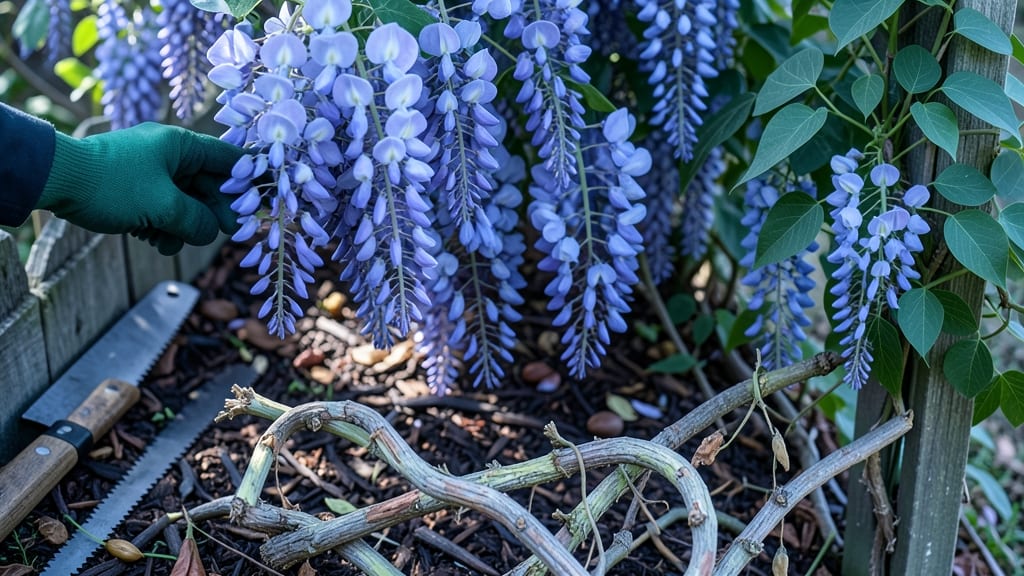
The blue Chinese wisteria tree delivers showstopping pros and cons with its vibrant blue blooms that perfume the air in spring—though its rapid growth comes with trade-offs. 🌿 I planted mine last year, and while it’s already climbing my trellis at an impressive 2-3 feet per season, its aggressive vines demand careful management.
This deciduous climber thrives in USDA Zones 5-9, handling heat and humidity better than its purple-flowered cousins. The fragrant flowers (though not as intense as classic wisteria) and glossy foliage make it a standout, but its invasive roots can damage foundations or smother nearby plants if unchecked.
Pruning in late winter is critical to control its spread.
The biggest con? Toxicity—every part of the plant is poisonous if ingested, making it unsafe for homes with pets or kids. Still, its drought tolerance once established and long bloom season (May-June) earn it high marks for low-maintenance beauty.
Just be prepared for regular pruning to keep it in check.
For climbers, this is a high-reward, high-effort choice—ideal for trellises or pergolas in warmer climates, but not for small yards or those who dislike pruning. Weigh the pros carefully before planting!
The first product explained
Meet the Blue Chinese Wisteria Tree (Wisteria sinensis)—a stunning, fast-growing climber that brings vibrant blue-purple blooms and a sweet fragrance to your garden! 🌸✨ Whether you're a seasoned gardener or a beginner eager to add vertical beauty to your space, this beauty is a game-changer.
Here’s everything you need to know about this breathtaking plant, including its specs, standout features, ideal users, and price point.
🌿 Specs & Features
The Blue Chinese Wisteria is a deciduous vine that thrives in USDA Hardiness Zones 5-9, making it versatile for many climates. Here’s what sets it apart:
- Height & Spread: Can grow 30-50 feet tall (or more with support) and spread 10-20 feet wide—perfect for trellises, pergolas, or arbors!
- Growth Rate: Fast-growing (1-2 feet per year), so you’ll see dramatic changes in just a few seasons.
- Bloom Time: Produces fragrant, cascading clusters of blue-purple flowers in late spring to early summer (with occasional fall blooms).
- Foliage: Dark green, compound leaves that turn golden-yellow in fall, adding seasonal interest.
- Sunlight Needs: Full sun (6+ hours/day) for best blooms and growth.
- Soil Preference: Well-draining, slightly acidic to neutral soil (pH 6.0-7.0). Tolerates clay but dislikes waterlogged roots.
- Drought Tolerance: Moderate—once established, it’s drought-resistant but benefits from regular watering in dry spells.
🎯 Target Users
This wisteria is ideal for:
- Homeowners looking to add a dramatic vertical element to patios, decks, or fences.
- Landscapers & Gardeners who love fast-growing, fragrant climbers with seasonal color changes.
- Urban Gardeners with limited space—its climbing habit makes it perfect for small yards or balconies with trellises.
- Nature Lovers who enjoy butterflies, bees, and hummingbirds attracted to its blooms.
- DIY Enthusiasts who want a low-maintenance (once established) but high-reward plant.
💰 Price Point
The cost of a Blue Chinese Wisteria varies based on size, container type, and seller, but here’s a general breakdown:
| Size/Stage | Price Range (USD) | Best For |
|---|---|---|
| 1-Gallon Container | $25–$50 | Budget-friendly starter plant for small gardens or containers. |
| 5-Gallon Container | $50–$100 | Faster establishment in the ground; ideal for most homeowners. |
| Field-Grown (Bare Root) | $40–$80 | Cost-effective for larger properties; best planted in early spring or fall. |
| Established Mature Tree (10+ years) | $150–$400+ | Instant impact for large landscapes or commercial properties. |
Pro Tip: 💡 Buy from reputable nurseries (online or local) to ensure healthy, disease-free plants. Avoid cheap, unknown sellers—this wisteria can be prone to pests like aphids or powdery mildew if not well-sourced!
The second product explained
If you're looking for a low-maintenance yet stunning alternative to the classic blue Chinese wisteria, the Japanese Wisteria (Wisteria floribunda) is a fantastic choice! 🌸 While it doesn’t boast the same signature blue hue, its vibrant purple, pink, or white blooms make it a showstopper in gardens.
Here’s why this fast-growing climber might be your next favorite plant:
🌿 Key Specs & Features
This deciduous vine thrives in USDA Zones 5-9 and grows 15-30 feet tall (or more with support!). Its semi-evergreen foliage adds year-round interest, while its fragrant, cascading flowers (blooming in spring) create a sensory delight.
Unlike its blue cousin, Japanese wisteria is less aggressive but still requires pruning for optimal growth.
🎯 Who’s It For?
- Gardeners who want color without the invasiveness of blue wisteria.
- Homeowners with trellises, arbors, or pergolas—it climbs beautifully with support.
- Landscapers seeking a fragrant, low-maintenance vine—drought-tolerant once established.
- Pruning enthusiasts—its blooms respond well to strategic trimming!
💰 Price Point & Availability
Japanese wisteria is widely available at nurseries and online retailers, with bare-root saplings starting around $25-$50 and mature specimens (3-5 years old) ranging from $75-$150+. Pro tip: 💡 Buy from reputable growers to avoid pests or weak stock—healthy plants = happier blooms!
⚠️ Quick Considerations
| Pros | Cons |
|---|---|
| ✅ Less aggressive than blue wisteria | ❌ Needs pruning to encourage blooms |
| ✅ Fragrant flowers attract pollinators | ❌ Can be messy—dropping flowers and seed pods |
| ✅ Drought-tolerant once established | ❌ Slow to mature—full blooms may take 3-5 years |
Head-to-head comparison
Ready to weigh the pros and cons of the stunning Blue Chinese Wisteria (Wisteria sinensis 'Amethyst Falls')? Below, we break down a side-by-side comparison across key dimensions to help you decide if this fast-growing climber is the right fit for your garden.
Whether you're dreaming of fragrant blooms, a striking aesthetic, or low-maintenance charm, this comparison will guide your choice with clarity and ease. 🌿✨
🌱 Growth Performance
The Blue Chinese Wisteria is a powerhouse when it comes to growth, but it’s not a one-size-fits-all plant. Here’s how it stacks up against other popular wisteria varieties and alternatives like climbing roses or clematis:
| Factor | Blue Chinese Wisteria | Japanese Wisteria (Wisteria floribunda) | Climbing Roses (e.g., 'New Dawn') | Clematis (e.g., 'Jackmanii') |
|---|---|---|---|---|
| Growth Rate | 🚀 Very fast (3–5 feet per year under ideal conditions) | 🐢 Fast but slightly slower (2–4 feet per year) | 🐢 Moderate (1–3 feet per year) | 🐌 Moderate to slow (1–2 feet per year) |
| Mature Height | 📏 30–50 feet (with proper support) | 📏 20–30 feet | 📏 6–15 feet (depends on variety) | 📏 8–12 feet (varies by type) |
| Spread | 🌍 Wide-spreading (15–25 feet with vines) | 🌍 Wide-spreading (similar to Blue Chinese) | 🌍 Moderate (5–10 feet) | 🌍 Moderate (3–6 feet) |
| Hardiness Zone | ❄️ USDA Zones 5–9 (tolerates cold but may need winter protection) | ❄️ USDA Zones 5–9 (similar cold tolerance) | ❄️ USDA Zones 4–9 (more cold-hardy) | ❄️ USDA Zones 3–9 (widest range) |
| Bloom Time | 🌸 Late spring to early summer (May–June) | 🌸 Late spring to early summer (similar timing) | 🌸 Spring to fall (longer blooming season) | 🌸 Late spring to early fall (varies by variety) |
Key Takeaway: If you want a rapidly growing vine with dramatic height and spread, the Blue Chinese Wisteria is a top contender. However, its aggressive growth means you’ll need strong support structures (like trellises or arbors) to manage its expansion. Climbing roses and clematis may offer more controlled growth but lack the same bold, fragrant blooms.
🌺 Features & Aesthetic Appeal
The Blue Chinese Wisteria isn’t just about speed—it’s a showstopper in terms of beauty and sensory appeal. Compare its features to other popular garden climbers:
- 💜 Flower Color:
- Blue Chinese Wisteria: Vibrant lavender-blue (one of the few true blue wisterias)
- Japanese Wisteria: Purple to white (less blue intensity)
- Climbing Roses: Wide range (pink, red, white, yellow)
- Clematis: Blue, purple, white, or pink (but often smaller blooms)
- 🌿 Foliage:
- Blue Chinese Wisteria: Deep green, compound leaves (glossy and lush)
- Japanese Wisteria: Similar but slightly lighter green
- Climbing Roses: Varies (some have thorns, others are thornless)
- Clematis: Delicate, divided leaves (less dense)
- 🌸 Fragrance:
- Blue Chinese Wisteria: Sweet, intoxicating scent (highly aromatic)
- Japanese Wisteria: Strong but slightly different fragrance
- Climbing Roses: Heavily fragrant (but varies by variety)
- Clematis: Mostly unscented (a few varieties have mild fragrance)
- 🎨 Seasonal Interest:
- Blue Chinese Wisteria: Spring blooms + green foliage year-round (no fall color)
- Japanese Wisteria: Similar seasonal interest
- Climbing Roses: Blooms spring–fall + some varieties have fall foliage
- Clematis: Blooms spring–fall + some have seed heads in winter
Key Takeaway: The Blue Chinese Wisteria wins for color intensity and fragrance, making it ideal for gardeners who prioritize visual and olfactory drama. If you love roses or want longer blooming seasons, those options may suit you better—but they won’t match the wisteria’s unique blue hue.
💰 Price & Maintenance Costs
Budget-conscious gardeners, listen up! The Blue Chinese Wisteria is an investment, but how does it compare to alternatives in terms of upfront costs and long-term upkeep?