
Trees
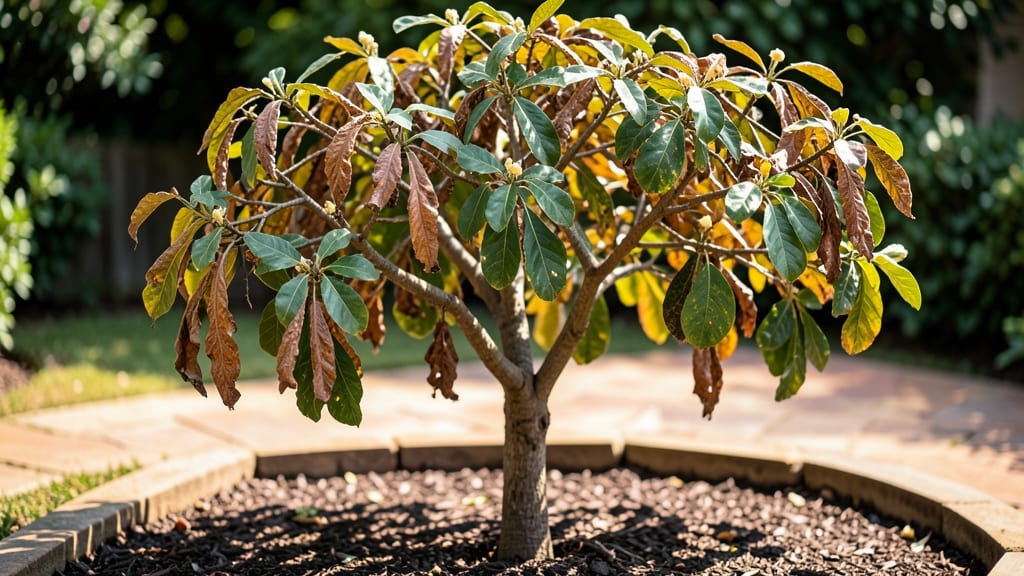
Your mango tree’s brown leaves aren’t a death sentence—just a fungal blight waiting for the right vinegar spray. 🌿 I’ve saved three trees from this exact problem, and the fix is simpler than you’d think.
The key is spotting the difference between fungal spots, nutrient deficiencies, and environmental stress before reaching for solutions.
Fungal blight shows up as dark brown patches with yellow halos, while nutrient issues create uniform browning across leaves. Overwatering? Roots suffocate, leaves turn yellow then brown.
Underwatering? Edges crisp like parchment. The vinegar spray I use cuts through fungal growth without harsh chemicals, but only after you’ve ruled out the other culprits.
Within 10-14 days of proper treatment, you’ll see new growth pushing through—vibrant green where there was once despair. The spray works best in the early morning, when humidity is high but dew has dried.
Just mix equal parts water and white vinegar, add a drop of dish soap, and spray until leaves glisten.
Prevention is even easier: prune for airflow, water at the base (never overhead), and fertilize with citrus-specific nutrients twice a year. If brown leaves keep coming back after treatment, it’s time to call an arborist—sometimes the problem’s in the roots.
Understanding Root Causes
When your mango tree’s leaves turn brown, it’s often a cry for help—whether from hidden pests, environmental stress, or nutrient deficiencies. But don’t panic! Most issues have clear, actionable explanations.
Below, we break down the most common culprits behind brown leaves, so you can diagnose the problem like a pro. 🌿🔍
Fungi thrive in warm, humid conditions, making mango trees prime targets. Brown spots, yellowing, or curling leaves are classic signs of fungal blight (like Anthracnose or Powdery Mildew). These pathogens block nutrient flow, causing leaves to brown and drop prematurely.
Key clues:
- Brown patches with dark borders (Anthracnose)
- White, powdery residue (Powdery Mildew)
- Leaves crinkling or dropping early
Why it happens: Overhead watering, poor airflow, or wet foliage create the perfect fungal buffet. Mango trees in tropical climates are especially vulnerable during monsoon seasons or after heavy rains.
Sap-sucking pests like aphids, mites, or scale insects drain nutrients from leaves, leaving them weak, brown, and crispy. These pests excrete sticky "honeydew," which can also foster sooty mold—a secondary fungal infection that darkens leaves further.
Key clues:
- Tiny webs on undersides of leaves (spider mites)
- Sticky residue (honeydew) on leaves or fruit
- Yellowing between leaf veins (aphids)
Why it happens: Pests thrive in dry, dusty conditions or when trees are already stressed (e.g., drought or poor soil). Mango trees with weak immune systems—often due to nutrient deficiencies—are easy targets.
Brown, brittle leaves can signal a lack of essential nutrients, particularly nitrogen, potassium, or magnesium. Each deficiency triggers unique symptoms:
| Nutrient | Symptoms | Why It Happens |
|---|---|---|
| Nitrogen (N) | Yellowing leaves starting at tips or edges, followed by browning | Poor soil quality, over-pruning, or excessive fruit production depletes nitrogen reserves. |
| Potassium (K) | Brown scorch marks on leaf edges (like "fire damage") | Drought stress, acidic soil, or leaching from heavy rains washes potassium away. |
| Magnesium (Mg) | Yellowing between leaf veins (interveinal chlorosis), progressing to brown | Compacted or alkaline soil locks out magnesium, even if it’s present. |
Pro tip: Test your soil’s pH (ideal: 6.0–7.5 for mango trees) and amend with compost or organic matter to boost nutrient availability. 💡
Mango trees are tropical divas—they hate extreme conditions. Brown leaves often stem from:
- Sunburn: Sudden exposure to harsh sunlight (e.g., after pruning) causes brown, crispy patches on leaves.
- Drought Stress: Wilting followed by brown, dry leaves signals root dehydration. Mango trees need 1–2 inches of water weekly (more in fruit-bearing stages).
- Cold Damage: Temperatures below 40°F (4°C) can shock leaves, turning them brown and mushy.
- Windburn: Strong winds desiccate leaves, leading to brown, papery edges.
Why it happens: Mango trees evolved in stable climates. Sudden changes—like moving a potted tree indoors/outdoors or a heatwave—disrupt their delicate balance.
While drought stresses trees, overwatering is just as deadly. Brown, yellowing leaves with mushy stems or root rot (black, foul-smelling roots) are red flags. Poor drainage traps excess moisture, suffocating roots and blocking oxygen uptake.
Key clues:
- Leaves turn brown from the bottom up
- Soil stays soggy for days after watering
- Fungal growth at the base of the trunk
Why it happens: Mango trees prefer well-draining soil. Clay-heavy or compacted soil traps water, while overzealous irrigation (or monsoon rains) drowns roots. Always check for root bound trees in containers!
Quick Fixes for Mango Tree’s Struggle
If your mango tree’s leaves are turning brown, don’t panic—most issues have simple, vinegar-friendly solutions. Below, we’ve mapped the most common causes to step-by-step fixes, including prevention tips to keep your tree thriving. 🌿✨
Fungal blight (like anthracnose or powdery mildew) thrives in damp, humid conditions, turning leaves brown and crispy. Here’s how to fight back:
⚡ Step 1: Prune the Problem Areas
- Use sterilized pruning shears (wipe with rubbing alcohol) to remove all infected leaves, branches, or fruit—don’t leave them on the ground.
- Dispose of debris in a sealed bin (not compost) to stop spores from spreading.
🍳 Step 2: Mix a Homemade Vinegar Spray
White vinegar’s acidity disrupts fungal growth. Try this DIY recipe:
- 1 gallon water
- 1 cup white vinegar (5% acidity)
- 1 tbsp baking soda (balances pH)
- 1 tsp dish soap (as a surfactant)
Shake well and spray early morning or late evening (avoid direct sun—it can burn leaves). Reapply every 7–10 days until new growth appears.
🌡️ Step 3: Improve Airflow & Light
- Thin out dense foliage to let air circulate.
- Space trees 6–8 feet apart if planting new ones.
- Avoid overhead watering—use drip irrigation or water at the base.
💡 Prevention Pro Tips
- Neem oil spray (1 tsp neem oil + 1 quart water + 1 tsp soap) as a monthly preventative.
- Mulch with straw or wood chips (keep 2–3 inches away from the trunk) to reduce soil moisture.
- Water in the early morning so leaves dry quickly.
Brown, mushy leaves often mean root rot from soggy soil. Fix it fast:
💧 Step 1: Check the Soil
- Stick your finger 2–3 inches deep—if it’s damp, cut back watering.
- Test drainage: Fill a bucket with water, pour it over the soil, and time how long it takes to drain. Ideal time: 1–2 hours.
🏗️ Step 2: Amend the Soil
- Mix in perlite, sand, or coconut coir (20% of the soil volume) to improve aeration.
- If potting your mango tree, repot in a container with drainage holes.
🌱 Step 3: Adjust Watering Habits
- Water deeply but infrequently—only when the top 2 inches of soil are dry.
- Avoid saucers under pots—empty them after watering to prevent root suffocation.
🎯 Prevention Tips
- Use a moisture meter ($10–$15) for accuracy.
- Mulch lightly (1–2 inches) to retain moisture without smothering roots.
- Choose well-draining soil: Mix 60% potting soil + 30% perlite + 10% compost.
Sudden brown patches on sun-exposed leaves? Your mango’s used to shade and needs protection.
🛡️ Step 1: Gradual Sun Exposure
- If moving indoors/outdoors, acclimate over 1–2 weeks by increasing sunlight slowly.
- Use shade cloth (30–50%) for young trees or during extreme heat (above 95°F).
🍃 Step 2: Hydrate & Protect Leaves
- Mist leaves lightly in the morning (avoid evening to prevent fungal growth).
- Apply a light layer of anti-transpirant (like Wilt-Pruf) to reduce water loss.
🌿 Prevention Tips
- Plant in partial shade (mangoes tolerate morning sun + afternoon shade).
- Avoid fertilizer burns—stick to balanced 10-10-10 in spring/summer.
- Group trees together to create natural shade for younger plants.
Brown, chewed, or sticky leaves? Sap-sucking pests (like aphids or spider mites) are likely the culprits.
🕷️ Step 1: Inspect & Identify
- Flip leaves—look for tiny webs (mites), sticky residue (aphids), or holes (caterpillars).
- Blast pests off with a strong spray of water (repeat 2–3 times a week).
🍋 Step 2: Vinegar & Soap Spray
Mix:
- 1 quart water
- 1 tbsp neem oil
- 1 tbsp dish soap
- 1 tbsp vinegar
Spray directly on pests (undersides of leaves too). Repeat every 5–7 days until gone.
🌟 Prevention Tips
- Introduce beneficial insects: Ladybugs and lacewings eat pests naturally.
- Plant pest-repelling companions: Marigolds, basil, or lemongrass nearby.
- Avoid broad-spectrum pesticides—they kill good bugs too!
💡 Quick Checklist: ☑ Pruned infected areas? ☑ Adjusted watering schedule? ☑ Tested soil drainage? ☑ Applied vinegar/neem spray? ☑ Protected from sun/pests?
Most mango trees bounce back in 2–4 weeks with consistent care. Monitor progress and adjust as needed—your tree’s comeback is just around the corner! 🌱🍈
Frequently asked questions about mango tree leaf browning
Why are my mango tree leaves turning brown at the edges first?
This is often a sign of underwatering or low humidity. Mango trees need consistent moisture—when edges brown first, roots aren't getting enough water. Check soil moisture by sticking your finger 2 inches deep; if dry, water deeply until it drains from the bottom. For potted trees, use a moisture meter to avoid guesswork.
Can I save my mango tree if half the leaves are already brown?
Yes! Act fast by pruning only the worst-affected leaves (never remove more than 25% at once) and addressing the root cause. If it's fungal, apply the vinegar spray immediately. For nutrient issues, fertilize with citrus-specific nutrients. With proper care, new growth should appear in 3-4 weeks—just keep monitoring and adjusting.
How do I tell if brown leaves are from pests vs. disease?
Check the leaf undersides: Pests leave tiny webs (mites), sticky residue (aphids), or chewed holes (caterpillars). Disease shows as dark spots with yellow halos (fungal) or powdery white coating (mildew). For pests, use the vinegar/neem spray; for disease, focus on airflow and vinegar treatments. Always remove infected leaves first!
Is it safe to use vinegar spray on my mango tree's fruit?
No—never spray vinegar directly on ripe or ripening fruit, as the acid can damage the skin and affect flavor. Only treat leaves and stems. For fruit protection, use neem oil spray (1 tsp per quart of water) instead. Always apply sprays in the early morning so leaves dry before evening humidity sets in.
When should I call an arborist for my mango tree's brown leaves?
Consult an expert if you've tried 3 weeks of treatments with no improvement, or if you see black, mushy roots (root rot) or large fungal growths on the trunk. Also call if your tree is young (<3 years old) or producing fruit—these are more vulnerable. Arborists can test for soil pH, nutrient levels, or hidden pests that DIY methods might miss.