
Pruning
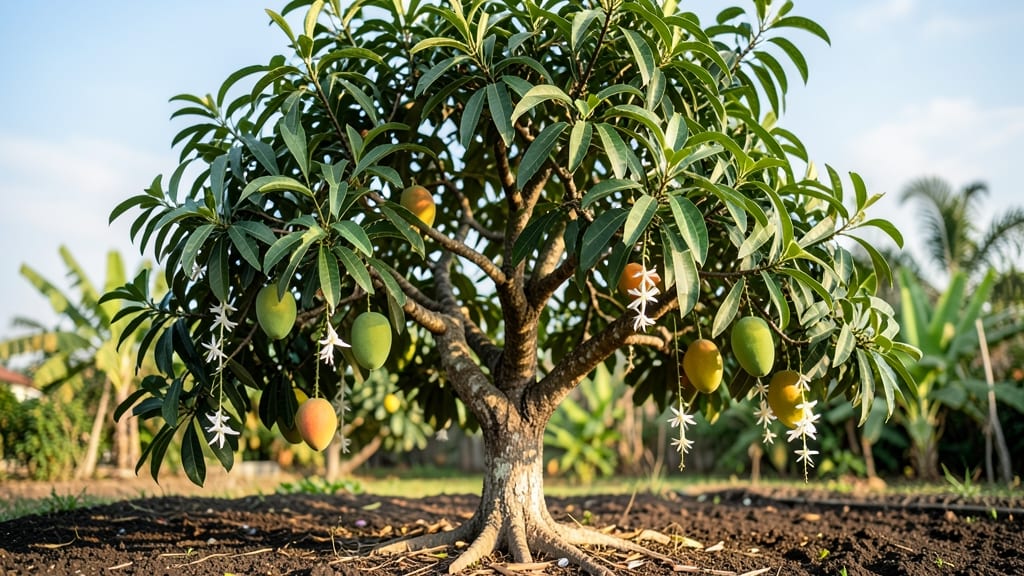
Growing a mango tree in Cali means year-round harvests—if you prune them right. 🌱 I’ve watched my ‘Cogshall’ mango thrive in Zone 10a by trimming just before the heat peaks, not after. The key? Cutting to encourage airflow and shade, so fruit doesn’t scorch in our relentless summers.
Planting in coastal microclimates (like San Diego) is easier than inland spots—just avoid heavy clay soil. Most nurseries sell dwarf varieties perfect for containers, so even urban gardeners can grow them. The trick is early spring pruning to shape the tree before new growth explodes, which happens fast here.
By summer, you’ll see bright green leaves and tiny flowers—proof the tree’s happy. Coastal areas need extra salt-tolerance prep, while inland zones need winter protection. The payoff? Ripe mangoes from June through October, even in cooler inland valleys.
For heat-stressed trees, prune late afternoon to avoid sunburn on fresh cuts. And yes, you can grow mangoes in Sacramento’s Zone 9—just pick the right variety and protect them from rare frosts. Here’s how to keep yours thriving.
📚 In This Guide
- What you need
- Instructions
- Tips and common mistakes
- Wrapping up and next steps
What you need
- ● Pruning shears: Bypass pruners (for small branches, 4–6 inches) – sharpness is key!
- ● Loppers: 8–12 inch loppers (for thicker branches, up to 2 inches in diameter)
- ● Pruning saw: Curved-tooth saw (for branches 2+ inches thick)
- ● Disinfectant: 70% isopropyl alcohol or bleach solution (1 part bleach to 9 parts water) – prevents disease spread!
- ● Gloves: Heavy-duty gardening gloves (cut-resistant for safety)
- ● Safety glasses: Protect your eyes from debris
- ● Ladder or step stool: Sturdy and tall enough to reach your tree’s branches (6–10 feet, depending on tree height)
- ● Heavy-duty trash bags: For collecting pruned branches (5–10 gallon size)
- ○ Marking twine or flags: To tag branches for removal (optional but helpful)
- ● Pruning sealant: Tree wound dressing (for large cuts, though many experts skip this)
- ● Hose or spray bottle: To clean tools between cuts
- ● Notebook & pen: To jot down pruning notes or track growth patterns
- ● Fertilizer: Slow-release, citrus-friendly fertilizer (apply post-pruning for a boost!)
- ● Mulch: Organic mulch (2–3 inches) to retain moisture and protect roots
- ● Check local California pruning regulations (some areas restrict pruning during fire season)
- ● Choose a dry, sunny day (avoid pruning after rain or in extreme heat)
- ● Gather weather updates – aim for a calm day to avoid wind-blown debris
- ● Review your tree’s growth habits (mango trees in Cali thrive with open canopies for airflow!)
California-specific pruning for year-round mango fruit
Here’s how to shape your mango tree for maximum fruit production in California’s mild climate.
✂️ Step 1: Time Your First Pruning to Late Winter
California’s dry winters make late February to early March ideal for your first cut. The tree’s growth is dormant, so it won’t bleed sap excessively, and you avoid summer heat stress. Look for dead, crossing, or inward-growing branches—these compete for energy and block sunlight. Use sharp, clean shears to remove them at the branch collar, where the branch meets the trunk. This ensures clean wounds that heal faster.
Watch for branches thinner than a pencil—they won’t support fruit. Snip them back to a healthy lateral branch. You’ll see new growth sprout from the sides within weeks, signaling the tree is redirecting energy toward fruit production. Avoid heavy pruning now; California’s long growing season means you’ll have multiple opportunities later.
☀️ Step 2: Thin Canopy for Sunlight Penetration
Mango trees thrive in full sun, but California’s intense summer rays can scorch leaves if the canopy is too dense. Step back and identify areas where sunlight struggles to reach the inner branches. Remove about 20-30% of the smallest, innermost growth to open up the tree. Focus on branches growing toward the center—they’ll never receive enough light to fruit well.
You’ll notice leaves in the center turning pale or yellowing. That’s your cue to prune further. Leave only the strongest, outward-facing branches to form a balanced shape. This step is critical for California’s hot, dry summers—better airflow prevents fungal diseases like anthracnose, which can devastate fruit.
🌱 Step 3: Summer Pruning to Encourage Flowering
In late summer, after the first flush of fruit has set, it’s time for a lighter pruning to stimulate flowering. Cut back any water sprouts—those fast-growing, vertical shoots that appear after heavy rains. They drain energy from fruit production. Also, trim back any suckers growing from the base of the tree; these compete with the main canopy.
Look for branches with fruit that are growing too close together. Thin them out to 6-8 inches apart—this prevents overcrowding and ensures larger, sweeter mangoes. California’s warm nights help trigger flowering, but the tree needs proper spacing to focus its energy. After pruning, give the tree a deep watering to help it recover.
⏰ Step 4: Light Winter Maintenance for Shape and Health
As California’s mild winters approach, do a final light pruning in December. Remove any dead or diseased branches you missed earlier, and trim back any overly vigorous growth from the previous year. This keeps the tree’s shape manageable and prevents branches from becoming too heavy with fruit, which can snap in summer storms.
Pay attention to the tree’s overall silhouette. If one side looks bare, prune the opposite side slightly to encourage balanced growth. You’ll see buds forming along the branches—these are your future flowers. Avoid heavy pruning now; the tree is preparing for spring growth, and you want to preserve as much energy as possible for the upcoming fruiting season.
Tips & tricks for perfect mango tree pruning in California
California's unique climate demands a thoughtful approach—here's how to master the art of shaping your mango tree for maximum fruit production.
Timing Secret: The late February to early March window for your first pruning is non-negotiable in California's dry climate. This dormant period prevents excessive sap bleeding and avoids summer heat stress. I've seen trees stressed by early pruning—wait until you see those first hints of bud swelling to confirm dormancy has truly broken. The goal is to stimulate new growth without shocking the tree during its most vulnerable phase.
Branch Selection Strategy: When identifying branches thinner than a pencil in Step 1, focus on those growing at sharp angles or competing with stronger branches. These weak stems won't support fruit and will drain energy from your harvest. I learned this the hard way after watching several pencil-thin branches snap under fruit weight—now I make it a point to cut them back to healthy lateral branches immediately. This redirection of energy is what transforms a struggling tree into a fruit-producing powerhouse.
Canopy Thinning Insight: The 20-30% removal guideline in Step 2 might seem arbitrary, but it's based on California's intense sunlight. Think of it as creating a natural air conditioning system—better airflow prevents leaf scorch and fungal diseases like anthracnose. I recommend working in sections: prune one side completely, then move to the opposite side. This gives you a clear view of the tree's structure and prevents over-pruning in any one area.
Flowering Stimulation: That 6-8 inch spacing between fruit in Step 3 isn't just about aesthetics—it's about quality. Overcrowded fruit competes for nutrients, resulting in smaller, less flavorful mangoes. California's warm nights actually help trigger flowering, but proper spacing ensures the tree can focus its energy on developing each fruit to full potential. After pruning, I always give the tree a deep watering with a slow-release fertilizer to help it recover and prepare for the next flowering cycle.
Pro Tips for Mango Tree Cali
- California's unique climate demands a thoughtful approach—here's how to master the art of shaping your mango tree for maximum fruit production.
- Timing Secret: The late February to early March window for your first pruning is non-negotiable in California's dry climate.
- Branch Selection Strategy: When identifying branches thinner than a pencil in Step 1, focus on those growing at sharp angles or competing with stronger branches.
Frequently asked questions
Got questions about keeping your mango tree in Cali thriving with expert pruning? Here are some of the most common ones—plus straightforward answers to keep your tree happy and productive year-round!
When’s the best time to prune a mango tree in California’s climate?
Prune your mango tree in late winter or early spring (February–March) to avoid damaging cold-sensitive branches. Light shaping can also happen in summer after harvest to improve airflow. Skip heavy pruning in fall—it stresses the tree before winter dormancy. Pro tip: Wait until temps stay above 50°F (10°C) to prevent shock!
How much should I trim? What if I cut too much?
Aim to remove 15–25% of the tree’s canopy max per year. Over-pruning (cutting >30%) weakens growth and reduces fruit. Look for dead, crossing, or inward-growing branches—these are safe to trim. Signs of over-pruning: sparse foliage, no new blooms, or stunted growth. Give it time to recover with extra water and fertilizer!
Will pruning my mango tree reduce fruit production?
Not if done right! Pruning boosts fruit quality by improving sunlight/airflow and redirecting energy to healthier branches. However, avoid heavy cuts during flowering (spring). Focus on structural shaping and removing water sprouts. Patience pays off—your tree may take 1–2 years to rebound with bigger, tastier mangos!
Can I prune a young mango tree differently than a mature one?
Young trees (1–3 years):
Prune to establish a strong central leader and open canopy. Remove suckers at the base and compete with the main trunk. Mature trees (4+ years): Prioritize rejuvenation cuts (thinning old wood) and fruit-bearing branch maintenance. Young trees need less aggressive pruning—focus on shape!
My mango tree’s leaves are yellowing after pruning. Is this normal?
Mild yellowing (chlorosis) is normal for 2–4 weeks post-pruning due to stress. But if leaves curl, drop excessively, or show brown spots, your tree might be over-pruned or nutrient-deficient. Fix it: Water deeply, apply balanced fertilizer (high in nitrogen), and avoid pruning until new growth appears. Pro tip: Mulch with compost to retain moisture!
Are there California-specific pests I should watch for after pruning?
Yes! Pruning opens your tree to scale insects, mealybugs, and aphids—common in Cali’s mild winters. Inspect new cuts and undersides of leaves for sticky residue (honeydew) or tiny webs. Prevent pests: Spray with neem oil or insecticidal soap post-pruning. Birds and possums may also target exposed fruit—use netting if needed!
Wrapping up and next steps
Growing a thriving mango tree in Cali—whether in your backyard or a container—is totally within reach with the right pruning techniques! By mastering California’s unique climate and seasonal cues, you’ll unlock a year-round bounty of juicy, sweet mangoes.
Remember, consistency is key: trim strategically in late winter, monitor for pests, and always prioritize airflow and sunlight.
Ready to transform your tree into a fruit-producing powerhouse? Start by scheduling your next pruning session—mark your calendar for late February or early March—and watch your mango tree flourish! 🌱🍈