
How To
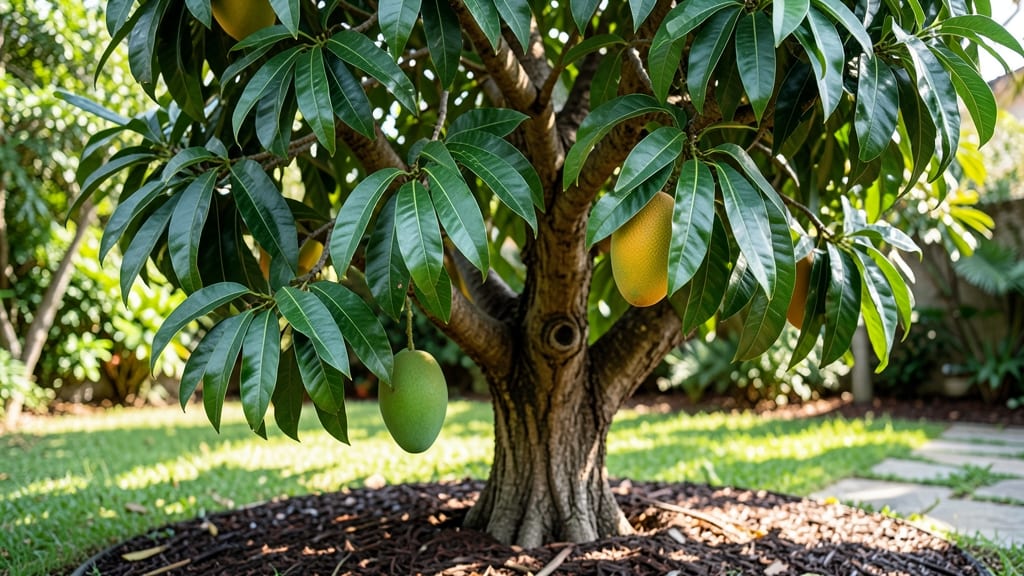
A mango tree grows to how tall does a mango tree grow heights between 20 and 100 feet—depending on the variety, climate, and care you provide. That’s the kind of scale that can make even experienced gardeners hesitate before planting one in their yard.
But here’s the good news: with the right dwarf variety or pruning techniques, you can enjoy homegrown mangoes without sacrificing your backyard space.
Picture this: a 🥭 tree that starts as a small sapling but could eventually tower over your house if left unchecked. Most standard varieties reach 60 to 100 feet in tropical climates like Florida or Hawaii, while dwarf types stay under 15 feet—perfect for containers or small urban gardens.
The key? Understanding how your local climate and pruning habits influence growth.
If you’re in USDA Zones 10-11 (or Zone 9b with winter protection), your mango tree will thrive year-round, growing faster and taller than in cooler regions. But even in ideal conditions, proper pruning and soil management can keep a tree at a manageable height.
Below, I’ll break down the exact heights by variety, climate factors, and simple tricks to control growth—so you can grow a mango tree that fits your space.
Ready to turn your backyard into a tropical oasis? You’ll learn which varieties stay small, how to prune for compact growth, and even whether container gardening is an option. Let’s make sure your mango tree grows exactly the way you want it.

Mango tree height by variety: from dwarf to giant sizes
If you're wondering how tall does a mango tree grow, the answer depends entirely on the variety you choose. Some mango trees stay compact enough for backyard orchards, while others can reach the height of a 5-story building—or even taller!
The genetics of each variety determine its natural growth habit, but climate, pruning, and soil quality can also influence final height. Let’s break down the exact mature heights for popular varieties so you can pick the perfect fit for your space.
For example, the 'Cogshall' mango is one of the most popular dwarf varieties, rarely exceeding 15-20 feet at maturity, making it ideal for small gardens or containers. On the other end of the spectrum, standard varieties like 'Haden' or 'Tommy Atkins' can soar to 60-100 feet in tropical climates.
Understanding these differences helps you plan for pruning, space requirements, and even harvest accessibility.
Here’s a quick comparison of 10+ mango varieties and their mature heights, so you can visualize which will work best in your yard or patio:
| Variety | Mature Height (ft) | Growth Rate (ft/year) | Best For |
|---|---|---|---|
| 'Cogshall' | 15-20 | 1-2 | Containers, small yards |
| 'Keitt' | 25-35 | 2-3 | Backyards, urban gardens |
| 'Kent' | 30-40 | 2-3 | Medium-sized properties |
| 'Haden' | 60-80 | 3-5 | Large estates, tropical climates |
| 'Tommy Atkins' | 70-100 | 4-6 | Commercial orchards, rural areas |
| 'Irwin' | 20-30 | 1.5-2.5 | Small farms, containers |
| 'Julie' | 35-45 | 2.5-3.5 | Subtropical gardens |
| 'Ataulfo' | 25-35 | 2-3 | Urban areas, containers |
| 'Osteen' | 40-50 | 3-4 | Medium to large yards |
| 'Bowen' | 50-70 | 3-5 | Tropical regions, rural settings |
The 'Cogshall' and 'Ataulfo' varieties are perfect if you’re growing mangoes in containers or small spaces. Their slower growth rates and compact stature make them manageable, even in urban settings.
Meanwhile, varieties like 'Haden' or 'Bowen' are better suited for rural properties or commercial orchards where space isn’t a concern. Remember, these heights are for unpruned trees—proper pruning can reduce height by 30-50%.
Growth rates also vary widely. Dwarf varieties like 'Cogshall' grow just 1-2 feet per year, while fast-growing types like 'Tommy Atkins' can add 4-6 feet annually in ideal conditions.
This means a 'Tommy Atkins' tree could reach harvestable height in as little as 5-7 years, while a 'Cogshall' might take 8-10 years to bear fruit. Plan accordingly if you’re eager to enjoy fresh mangoes!
Another key factor is climate compatibility. Most mango varieties thrive in USDA Zones 10-11, but some, like 'Cogshall', can tolerate cooler zones (down to Zone 9b) with proper winter protection.
If you live in a cooler climate, opt for dwarf or semi-dwarf varieties—they’re more adaptable and easier to protect from frost. Always check your local last frost date before planting.
For those with limited space, consider structural pruning techniques to keep even large varieties in check. Techniques like central leader pruning or open-center training can reduce height by up
Climate and soil factors that dramatically affect mango tree height
Your mango tree’s height isn’t just written in its genes—it’s heavily influenced by your local climate and soil conditions. In USDA Zones 10-12, where mangoes thrive naturally, trees can grow 30-50% taller than in cooler zones like Zone 9b with winter protection.
Florida’s humidity and heat, for example, fuel 2-3x faster growth than California’s Mediterranean climate, where trees grow more slowly but live longer.
The right soil pH (6.0-7.5) and drainage also play a critical role. Sandy, well-draining soils in coastal areas like Hawaii or South Florida allow roots to spread aggressively, while clay-heavy soils in inland regions can stunt growth by 30-40%.
Even the microclimate of your backyard—like shade from nearby structures—can reduce height by 10-20 feet over a decade.
| Factor | Impact on Height | Example Locations |
|---|---|---|
| USDA Zone 10-11 | Standard varieties reach 60-100 ft | Miami, Honolulu, San Diego |
| USDA Zone 9b (with protection) | Dwarf varieties stay 15-25 ft | Los Angeles, Phoenix, Orlando |
| High Humidity (>70%) | Faster growth (30-50 ft in 10 years) | Florida, Puerto Rico, Southeast Asia |
| Low Humidity (<50%) | Slower growth (20-30 ft in 10 years) | Southern California, Arizona |
| Well-Draining Sandy Soil | Aggressive root spread (+20% height) | Coastal Florida, Hawaii |
| Clay-Heavy Soil | Stunted growth (-30% height) | Central Texas, Inland California |
In Florida’s tropical climate, mango trees like the 'Cogshall' variety can reach 50 feet in 8-10 years due to year-round warmth and humidity. Meanwhile, in California’s coastal regions, the same variety might only hit 30-40 feet in the same timeframe because of cooler nights and drier air.
Even within the same city, a tree planted in full sun vs. partial shade can differ by 15-20 feet in mature height.
To control height in small spaces, pruning techniques like structural pruning (removing 20-30% of new growth annually) can keep trees under 15 feet. In containers, root restriction naturally limits height to 8-12 feet over a decade.
For example, the 'Julie' dwarf variety in a 15-gallon pot will stay under 10 feet with regular pruning, while the same tree in the ground could reach 25 feet.
If you’re in Zone 9b or cooler, focus on dwarf varieties like 'Ice Cream' or 'Keitt', which max out at 20 feet with proper winter protection. Even in ideal conditions, soil amendments like compost and sand can improve drainage and encourage 20-30% taller growth compared to untreated soil.
Test your soil’s pH and nutrient levels—a balanced NPK fertilizer (6-6-6) applied in spring and summer will fuel faster, healthier growth.
Remember, even the fastest-growing mango trees need 5-10 years to mature.
By adjusting your climate conditions (like adding shade cloth in Zone 11’s intense sun) and soil amendments, you can steer your tree toward your desired height—whether that’s a towering shade tree or a compact patio centerpiece. 🌳