
Trees
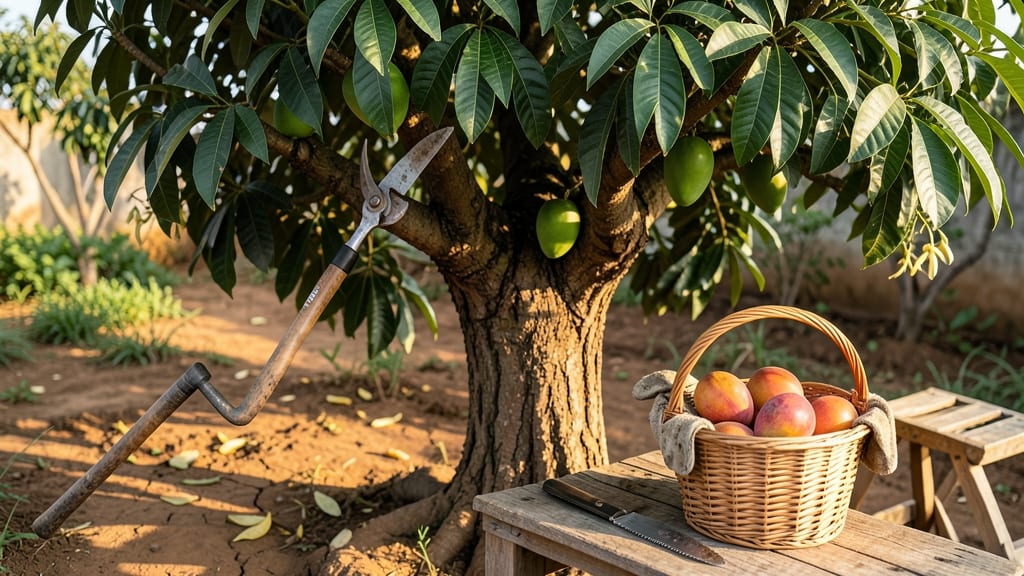
Harvesting a mango tree at the right time turns a simple fruit into a sweet, juicy masterpiece—but knowing when to pick is half the battle.
Picture this: you’ve waited months for your 🥭 mango tree to bear fruit, only to wonder if that greenish-yellow mango is ready or still needs time. One wrong move, and you risk picking too early (mealy, bland) or too late (overripe mush).
Luckily, there’s a science to it. From the telltale color shifts to the gentle give when you press, plus how temperature and location play a role, I’ll walk you through every clue your tree uses to signal "pick me now."
You’ll also discover how to handle those ripe beauties—whether you’re eating them fresh, storing them for weeks, or turning them into jam. No more guesswork, just perfect mangoes every time.


How to determine the perfect time to harvest mangoes for maximum ripeness
Timing your mango harvest correctly ensures peak flavor and optimal texture. Unlike many fruits, mangoes don’t ripen well after picking, so harvesting at the right stage is crucial. The best time depends on visual cues, fruit firmness, and even regional climate.
In tropical zones, harvest typically occurs year-round, while subtropical areas see peak seasons in late spring to summer.
Start by checking the fruit’s color, which varies by variety. Alphonso mangoes turn golden-yellow, while Keitt mangoes develop a red blush. The skin should also feel slightly firm but not rock-hard.
If the fruit feels too soft or too hard, it’s not ready. Pay attention to the stem separation—a gentle twist should make the fruit detach easily from the branch.
Environmental factors like temperature and humidity also play a role. In hot, humid climates, mangoes ripen faster, so monitor them closely. In cooler subtropical areas, ripening slows down, and you may need to harvest slightly earlier. Always check the fruit’s aroma—a sweet, fragrant scent near the stem is a key indicator of ripeness.
| Cue | Tropical Climate | Subtropical Climate | Action |
|---|---|---|---|
| Color Change | Deep yellow, red, or orange | Slight color shift, less vibrant | Harvest when 75-80% of fruit shows color |
| Firmness Test | Slight give when pressed | Firmer, less yielding | Press gently—shouldn’t dent easily |
| Stem Separation | Twists off cleanly | May require slight force | Grasp fruit and twist gently |
| Aroma | Strong sweet scent | Mild sweetness | Sniff near stem—should smell ripe |
| Fruit Size | Full size for variety | Slightly smaller than tropical | Compare to variety’s mature size |
The finger pressure test is my go-to method for confirming ripeness. Press your thumb gently into the mango’s skin—it should yield slightly but not feel mushy. If the fruit leaves a dent, it’s overripe.
For early harvesters, you can pick mangoes slightly firm and let them ripen indoors at room temperature for 3-5 days. Place them in a paper bag with a banana or apple to speed up the process using ethylene gas.
Regional differences matter! In Florida or Hawaii, mangoes ripen quickly due to high humidity and warmth, so harvest earlier than in California or Texas, where cooler nights slow ripening.
Always check your local mango variety’s specific guidelines—some, like Tommy Atkins, are best picked firm for shipping, while Haden mangoes ripen on the tree.
Watch for pests or diseases that can mimic ripeness cues. Fruit flies or bacterial spots may cause premature softening. Inspect the tree regularly for damaged fruit or unusual discoloration.
If you spot mold or rot, remove those fruits immediately to prevent spread. A healthy mango tree will produce fruits that are uniform in color and shape.
Harvesting at the right time also depends on your intended use. If you plan to eat fresh, aim for peak ripeness on the tree. For processing (like making jam or drying), you can harvest slightly firm and ripen later.
Always use clean, sharp pruners or harvesting shears to avoid damaging the tree or fruit. Twist gently to detach the mango—never pull or yank, as this can tear the stem and reduce future yields.
Once harvested, handle mangoes with care to avoid bruising. Place them in a single layer in a well-ventilated container and store them at room temperature until fully ripe. Avoid refrigerating unripe mangoes, as cold temperatures can stop ripening and cause chilling injuries.
If you must refrigerate, wait until the mangoes are fully ripe and consume them within 5-7 days.
Pro tip: Keep a harvest journal
Step-by-step mango harvesting techniques to avoid damage and maximize yield
Once your mango tree bears fruit with the perfect color and aroma, the next challenge is harvesting without causing damage. The wrong technique can bruise fruit or even harm the tree.
I’ve learned that gentle handling and the right tools make all the difference between a perfect harvest and a frustrating mess.
Different mango varieties—like Alphonso, Keitt, or Tommy Atkins—require slightly different approaches. For example, Alphonso mangoes are delicate and need extra care, while Keitt varieties can handle a bit more roughness. Understanding these nuances will help you maximize yield while keeping your fruit intact.
How to Harvest Mangoes Safely
- Step 1: Gather Tools Use a fruit picker (for high branches), pruning shears (for stubborn stems), and a harvest basket with soft padding. Avoid sharp tools that can puncture the fruit.
- Step 2: Choose Your Method For hand-picking: Gently twist the fruit until it separates cleanly from the stem. For branch-shaking, use a soft cloth to cushion the branch before tapping lightly—best for Tommy Atkins varieties.
- Step 3: Handle with Care Place harvested mangoes in the basket stem-side up to prevent bruising. Avoid dropping fruit from heights—even 1 foot can cause damage.
- Step 4: Post-Harvest Inspection Sort fruit immediately: Discard damaged mangoes and store the rest in a single layer at room temperature for 3-5 days to ripen fully.
- Step 5: Variety-Specific Tips Alphonso: Hand-pick only—skin is thin and prone to bruising. Keitt: Can tolerate slight shaking but avoid over-maturing. Tommy Atkins: Best for branch-shaking due to thicker skin.
I’ve made the mistake of shaking branches too hard, causing premature fruit drop or even breaking smaller limbs. A light, controlled tap with a cloth-wrapped branch works wonders—especially for heavy-bearing trees. Always prioritize gentle pressure over speed to protect both the fruit and the tree’s structure.
After harvesting, post-harvest handling is just as critical. Mangoes ripen after picking, so avoid refrigerating until they’re fully ripe. Store them in a cool, dry place with good airflow to prevent mold. For longer storage, wrap individual mangoes in paper towels to absorb moisture and extend freshness.
One pro tip I’ve picked up from local growers: Harvest in the morning when temperatures are cooler. This reduces stress on the fruit and helps it ripen more evenly. Plus, the sweet aroma of freshly picked mangoes is unbeatable—it’s worth the extra effort!