
Pruning
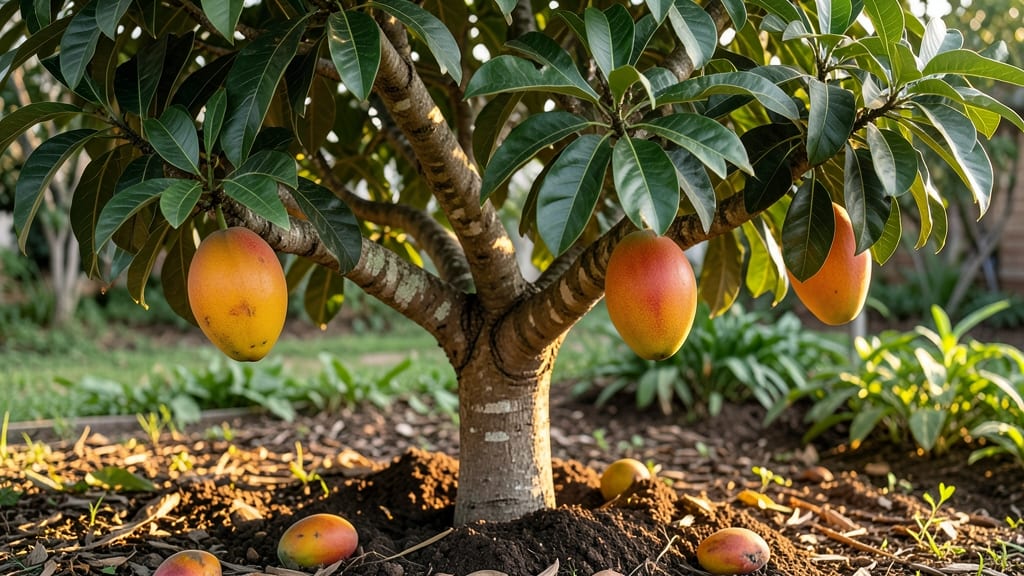
A mango tree with ripe fruits transforms your garden into a tropical paradise 🥭 — but only if you know the perfect moment to pick them.
There’s nothing quite like the moment you spot your mango tree heavy with ripe, golden fruit—ready to be plucked at the perfect moment. But how do you know when those sweet, juicy mangos are truly at their peak?
Timing is everything, and missing the window means sacrificing flavor, texture, and even yield.
In this guide, I’ll show you how to spot ripe mangos using simple visual and tactile clues, so you never miss a harvest again. From color changes to that signature sweet aroma, you’ll learn the key signs that mean your fruit is ready to pick.
Whether you’re growing a small backyard tree or a towering tropical specimen, these tips will help you enjoy the best possible fruit—straight from your own garden.


How to identify ripe mangoes on the tree: key visual and tactile clues
Picking a mango at the perfect moment transforms your harvest from meh to magical. Unlike some fruits that ripen off the vine, mangos must be picked when fully ripe for peak flavor and texture.
The challenge? Many gardeners either pluck them too early—ending up with bland, hard fruit—or wait too long, risking overripe mush. Let me show you how to nail that sweet spot every time.
First, focus on three key indicators: color change, scent, and stem behavior. These clues work together like a symphony, signaling that your mango is ready to enjoy.
For example, a deep yellow or blush-red hue (depending on the variety) paired with a fragrant aroma near the tree means business. But don’t rely on just one clue—combine them for accuracy.
Visual cues are your first line of defense. Most mango varieties shift from green to golden yellow, orange, or reddish tones as they ripen. However, some varieties like Ataulfo stay green but develop a smooth, waxy skin. Pay attention to the stem end, too—it often darkens slightly, a sign the fruit is maturing. Ignoring these visual hints is a common mistake that leads to underripe or overripe fruit.
Now, let’s talk about the scent test, which is often the most reliable clue. A ripe mango emits a sweet, tropical fragrance—think perfume-like and intensely fruity. If you’re standing near the tree and catch that aroma, it’s a green light to check further.
Pro tip: Sniff near the stem end, where the scent is strongest. If your nose isn’t tingling with sweetness, the mango isn’t ready yet.
Tactile clues are where many gardeners go wrong. A ripe mango should yield slightly to gentle pressure—imagine pressing a ripe avocado. If it feels firm but gives just a little, it’s likely ready. Avoid the myth that a hard mango is better; that’s a surefire way to end up with a tough, tasteless fruit. Conversely, if the mango feels mushy or the skin is wrinkled, it’s past its prime.
Here’s how to test it properly: Gently twist the mango at the stem. A ripe fruit will detach easily with a slight tug, almost like it’s begging to be picked. If the stem resists or snaps, the mango isn’t ready.
This test is especially critical for varieties like Keitt or Haden, which can stay on the tree long after they’re ripe. Overlooking this can mean wasted fruit or even falling mangos that bruise.
| Clue | Ripe Mango | Unripe Mango | Overripe Mango |
|---|---|---|---|
| Color | Deep yellow/orange/red (varies by variety) | Green or pale with no color shift | Dull, wrinkled skin or dark spots |
| Scent | Sweet, tropical aroma near stem | No scent or bitter smell | Fermented or sour odor |
| Stem Test | Detaches with gentle twist | Stem resists or snaps | Stem falls off easily (fruit too soft) |
| Pressure Test | Yields slightly to gentle pressure | Feels rock-hard | Feels mushy or squishy |
| Seed Check | Seed is soft and less fibrous | Seed is hard and fibrous | Seed is discolored or mushy |
One of the biggest mistakes I see is picking mangos based on size alone. A large mango isn’t necessarily ripe—it could just be old and tough. Size matters less than the color, scent, and texture combined.
For instance, a small but fragrant mango might be sweeter than a big but firm one. Always trust your senses over assumptions.
Variety plays a huge role in ripening clues.
Best time of year to harvest mangoes: climate zones and varietal differences
The perfect moment to harvest mangoes depends on your climate zone and the variety you're growing. In USDA Zones 10-11, most mangoes ripen between late spring and early summer, but timing shifts slightly based on temperature and rainfall.
For example, Alphonso mangos—a prized Indian variety—peak in June-July, while Ataulfo mangos (popular in Florida) ripen earlier, from March-May.
Temperature plays a critical role: warm, dry weather accelerates ripening, while heavy rains can dilute flavor and cause fruit to split. In subtropical zones, like California’s Zone 10, harvests often align with spring blooms, giving fruits 4-6 months to mature.
Meanwhile, in tropical zones (like Hawaii or Puerto Rico), mangoes can ripen year-round, though peak seasons still exist.
Rainfall also impacts harvest timing. Excessive moisture during fruit development can lead to split skin or diluted sugars, while drought stress may cause premature dropping. In Florida and California, growers often irrigate carefully during flowering and early fruiting stages to avoid these issues.
For home gardeners, monitoring local weather patterns is key—adjust expectations if your area experiences unseasonal rains.
Pro tip: If your mango tree is in a cooler subtropical zone (like Zone 9), opt for earlier-ripening varieties like Ataulfo or Kent. These varieties tolerate milder temperatures and produce fruit before summer heat peaks.
Meanwhile, tropical zones can support multiple harvests per year if you plant a mix of early and late varieties.
Don’t assume all mangoes ripen on the tree—some, like Keitt, are best picked firm but ripe and allowed to soften indoors.
Others, such as Alphonso, must ripen fully on the tree for peak flavor. Test one fruit from each batch to gauge readiness, especially if your climate is unpredictable.
Timing your harvest right ensures sweeter, firmer mangos with fewer seeds and maximum nutritional benefits. Keep an eye on the calendar and weather, and you’ll enjoy a bountiful, flavorful harvest every season. 🌱🥭