
Pruning
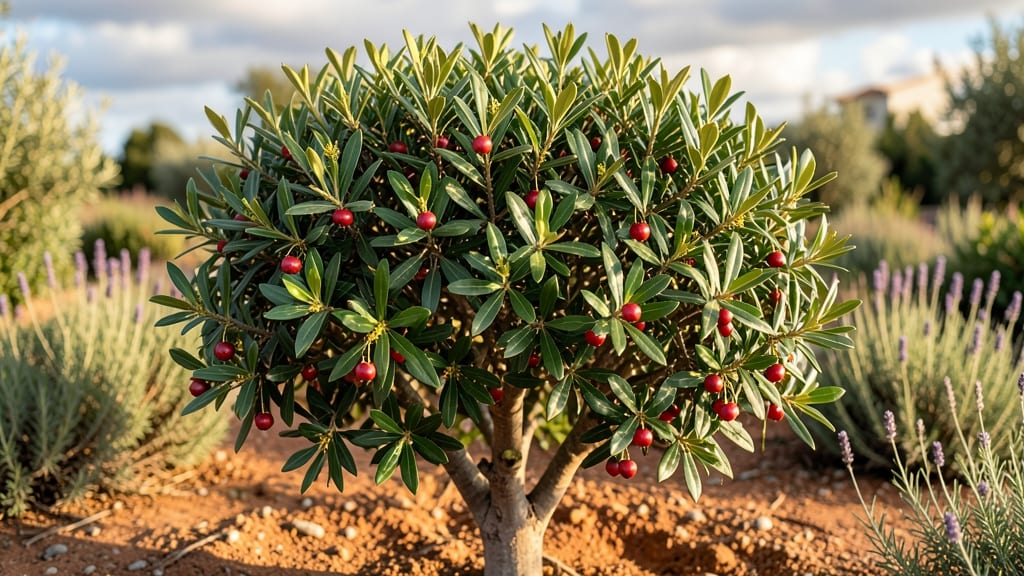
Growing mastic trees in Chios means tapping into an ancient tradition—this resin-rich treasure thrives where others struggle. 🌿 The key lies in mimicking its natural Mediterranean habitat: well-draining soil, blazing sun, and minimal interference.
I’ve watched my own mastic tree flourish in rocky soil where lavender barely survives, proving its resilience isn’t just folklore. The secret starts with soil: sandy, slightly alkaline, and amended with crushed limestone to mimic coastal cliffs.
Water deeply but infrequently—once established, this tree drinks like a camel in the desert. Prune only to shape, never to force growth; its natural form is already elegant. The real magic happens when you harvest the resin, a process as old as the island itself.
By year three, you’ll see the first golden tears forming on the bark—harvest them in late summer when the sap flows thickest. The resin’s uses are endless: traditional medicine, culinary flavoring, and even varnish. It’s the kind of plant that rewards patience with something truly extraordinary.
Perfect for coastal gardens, rocky slopes, or even containers along sun-drenched patios. Here’s how to cultivate your own piece of Chios at home—no green thumb required, just Mediterranean sun.
📚 In This Guide
- What you need
- Instructions
- Tips and common mistakes
- Wrapping up and next steps
What you need
- ● Mastic Tree Saplings: 2–5 healthy, disease-free Pistacia lentiscus plants (1–2 years old, nursery-grown or grafted for purity).
- ● Well-Draining Soil: 50% sandy loam (mimics Chios’ native terrain).
- ● 30% gravel or perlite (for drainage).
- ● 20% compost (organic matter for nutrients).
- ● Pruning Tools: 1 bypass pruners (sharp, 7–9" blade for clean cuts).
- ● 1 felco pruner (for thicker branches, 20–24cm).
- ● 1 pruning saw (for stubborn wood, 10–12" blade).
- ● Protective Gear: 1 pair nitrile gloves (latex-free, for resin handling).
- ● 1 safety goggles (dust/debris protection).
- ● Sunlight & Space: Full sun exposure (6+ hours/day).
- ● Spacious plot (10–15 ft diameter per tree; mastic trees thrive in open, airy conditions).
- ● Soil Testing Kit: To check pH (ideal: 6.0–8.0) and nutrient levels.
- ● Drip Irrigation System: For consistent moisture (especially in Chios’ dry summers).
- ● Resin Collection Supplies: Small wooden or ceramic bowls (to catch resin drips).
- ● Food-grade plastic wrap (for temporary resin storage).
- ● Mulch: Pine bark or straw (3–4" layer to retain moisture and regulate soil temp).
- ● Fertilizer: Balanced 10-10-10 NPK (apply sparingly in early spring).
Step-by-step instructions for cultivating mastic trees in Mediterranean climates
Ready to grow your own resin-rich mastic tree? Here’s my battle-tested approach for thriving plants in sun-drenched Mediterranean conditions.
🌱 Step 1: Select the Right Location and Prepare the Soil
Mastic trees (Pistacia lentiscus) crave full sun—at least 6-8 hours daily—and well-draining soil. I dig a hole twice as wide as the root ball but only as deep to avoid burying the graft union. The soil should be a mix of native Mediterranean soil, coarse sand, and compost (about 20% each) to mimic their natural rocky terrain.
Test drainage by digging a 12-inch deep hole and filling it with water. If it drains in under 30 minutes, the site is perfect. If not, raise the planting area with 6-12 inches of amended soil or use a large container with drainage holes. Mastic trees despise soggy roots—root rot is their #1 killer.
☀️ Step 2: Plant and Stake for Stability
Gently remove the tree from its container and loosen the roots if they’re circling. Place it in the hole so the top of the root ball sits level with the surrounding soil—never deeper. Backfill with the amended soil mix, tamping lightly every 2 inches to eliminate air pockets. Water deeply to settle the soil, then add a 2-inch layer of gravel mulch (not organic) to prevent moisture buildup.
Stake young trees with two bamboo stakes tied loosely to the trunk at 45-degree angles. Mastic trees have shallow, spreading roots, so staking prevents wind damage during their first 2-3 years. Use soft fabric strips—wire or plastic ties cut into bark as the tree grows.
💧 Step 3: Water Deeply and Establish a Drought-Resistant Routine
Water deeply once a week for the first 6 weeks to encourage deep root growth. After that, reduce to every 2-3 weeks—mastic trees are drought-tolerant once established. The key is soaking the root zone (about 12-18 inches deep) each time. You’ll know you’ve watered enough when water runs out the drainage holes 30 minutes later.
After the first year, stop fertilizing unless the soil is extremely poor. Mastic trees thrive in low-nutrient conditions. Over-fertilizing leads to soft, resin-poor growth. Instead, top-dress with 1 inch of compost annually in early spring—just enough to feed the soil microbes, not the tree.
✂️ Step 4: Prune Strategically for Resin Production
Prune only in late winter (just before buds swell) to remove dead, crossing, or weak branches. Mastic trees produce more resin in older wood, so avoid heavy pruning—never cut more than 20% of the canopy in one year. Use sterilized pruners to prevent bacterial infections, and seal larger cuts with pruning sealant to reduce sap loss.
Watch for suckers (shoots growing from the base) and remove them immediately. These divert energy from resin production. The goal is a low, rounded canopy that maximizes sun exposure to the trunk—where resin forms. I leave 3-4 main branches to shape the tree naturally.
🌿 Step 5: Harvest Resin the Traditional Chios Way
Resin is ready to harvest 3-5 years after planting, when the bark is thick and cracked. In late spring or early summer, make small, shallow cuts (about ¼ inch deep) in the south-facing trunk—this is where the sun’s heat stimulates resin flow. Place a small clay pot or container beneath the cut to collect the amber-colored sap as it drips.
Harvest every 2-3 weeks during the growing season. The resin hardens into tear-shaped "tears" within 24 hours. Store them in a cool, dark place—exposure to light turns the resin brittle. Never over-harvest: limit cuts to 10% of the trunk’s surface area per year to keep the tree healthy and productive.
Tips & tricks for cultivating resin-rich mastic trees
Between us, these small details make the difference between a struggling mastic tree and one that thrives in your Mediterranean garden.
Sun Exposure Secret: While 6-8 hours of sun is the minimum, I’ve found that positioning your tree to capture morning sun and afternoon shade in extreme heat (like 95°F+) actually boosts resin production. The resin forms best when the trunk gets consistent warmth without scorching. Watch for leaf scorch—if edges turn brown, move the tree slightly farther from the hottest afternoon rays.
Soil Mixing Strategy: The 20% compost recommendation works, but I’ve had better luck using aged compost (at least 6 months old) rather than fresh. Fresh compost can introduce weeds and pathogens that compete with your young mastic tree. For containers, mix in perlite or pumice (10% of the total mix) to improve drainage—this prevents the dreaded root rot that kills so many Mediterranean plants.
Watering Wisdom: Those 30 minutes of drainage testing are non-negotiable, but here’s what I’ve learned: if your soil drains too quickly (water disappears in under 5 minutes), add 10% more coarse sand to the mix. Too slow? Add another 10% perlite. The goal is that perfect Mediterranean balance—dry enough to prevent rot, but moist enough for root development. I use a moisture meter to check the 12-18 inch zone—it should read between 30-40% moisture after watering.
Pruning Precision: When harvesting resin, those shallow ¼-inch cuts might seem insignificant, but depth matters. Too deep and you damage the cambium layer (the growth layer just under the bark), which can kill the tree. I use a sharp grafting knife and make the cuts at a slight angle—this creates a wider surface area for resin flow without going too deep. Always cut on the underside of branches where they meet the trunk to minimize damage to the main structure.
Pro Tips for Mastic Tree Chios
- Between us, these small details make the difference between a struggling mastic tree and one that thrives in your Mediterranean garden.
- Sun Exposure Secret: While 6-8 hours of sun is the minimum, I’ve found that positioning your tree to capture morning sun and afternoon shade in extreme heat (like 95°F+) actually boosts resin production.
- Soil Mixing Strategy: The 20% compost recommendation works, but I’ve had better luck using aged compost (at least 6 months old) rather than fresh.
Frequently asked questions
What’s the best climate for a mastic tree from Chios?
A mastic tree (Pistacia lentiscus) thrives in Mediterranean climates with hot, dry summers (75–95°F) and mild, wet winters (40–60°F). It’s drought-tolerant but struggles in freezing temps below 15°F or humid, tropical conditions. If you’re outside Zone 8, grow it in containers and bring it indoors during winter.
How long does it take for a mastic tree to produce resin?
Patience is key! Mastic trees grown from seed may take 5–10 years to produce resin, while grafted trees (like those from Chios) can yield harvestable resin in 3–5 years. Focus on well-draining soil, full sun, and minimal pruning in the first few years to speed up resin production.
When and how should I prune my mastic tree for resin?
Prune lightly in late winter or early spring (before new growth) to shape the tree and improve airflow. Avoid heavy pruning—mastic trees produce resin best on mature, woody branches. Use sterilized tools to prevent disease, and remove only dead or crossing branches. Never prune more than 20% of the canopy at once.
Can I grow a mastic tree in a pot? What container size should I use?
Yes! Mastic trees adapt well to containers, making them perfect for small gardens or urban spaces. Use a large pot (at least 18–24 inches wide) with drainage holes and a well-draining mix (60% soil, 30% perlite, 10% sand). Repot every 2–3 years and move indoors if temps drop below 30°F.
Why isn’t my mastic tree producing resin? Troubleshooting tips.
Resin production can stall due to stress factors. Check for:
- Underwatering (mastic trees hate soggy roots—water deeply but infrequently).
- Over-fertilizing (use a low-nitrogen, phosphorus-rich fertilizer in spring).
- Pests like scale or spider mites (treat with neem oil or insecticidal soap).
- Improper pruning (avoid cutting resin-producing branches).
Wrapping up and next steps
Growing a mastic tree (Chios) in your Mediterranean garden is a rewarding journey—one that connects you to centuries of tradition and the sweet, resinous treasure of mastic gum. 🌿 With the right soil, pruning know-how, and patience, you’ll nurture a thriving tree that yields rich harvests year after year.
Whether you’re a seasoned gardener or a curious beginner, every careful cut and attentive care brings you closer to that golden, aromatic reward.
Ready to take the next step? Start small: plant your sapling, master the basics of pruning, and watch as your mastic tree grows into a resilient, resin-producing powerhouse. Who knows? You might just become the next guardian of Chios’ legendary mastic legacy! 🌟