
Pruning
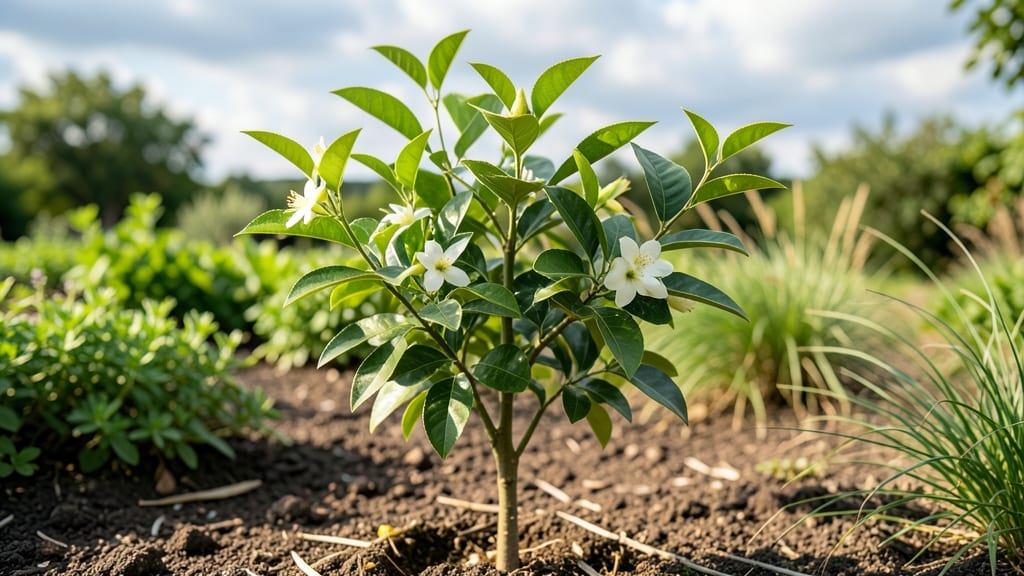
Planting lemon tree saplings can yield zesty rewards in just 6-8 weeks—if you skip these three critical steps most beginners miss. 🌱 I’ve grown citrus from seed to fruit-bearing trees, and the difference between a thriving sapling and a leggy, yellowing disaster comes down to soil, light, and water timing.
The right approach turns a $10 sapling into a productive tree that could bear fruit in as little as 2-3 years—not the 5+ years many expect.
Start with well-draining soil—equal parts potting mix, perlite, and compost—because soggy roots are the #1 killer of young citrus.
Place your sapling in a spot with 6+ hours of direct sunlight daily (south-facing windows or full sun outdoors), and use a 5-gallon container if you’re unsure about winter hardiness.
Water only when the top 1-2 inches of soil feel dry, then soak deeply—citrus hates wet feet but needs consistent moisture. Overwatering in the first month is what kills more saplings than anything else.
By week 4, you’ll see new growth that’s bold green and springy, not dull or wilted—a sign you’re doing it right. Prune leggy stems back by 1/3 to encourage bushier growth, and fertilize lightly with a balanced citrus formula (10-10-10) every 4-6 weeks starting in spring.
The key is patience: these trees grow slowly at first, but with the right care, you’ll be harvesting lemons by your third summer—not the fifth.
This method works for Meyer lemons, Eureka varieties, or even dwarf types in containers, and adapts to USDA zones 9-11 (with winter protection in cooler areas). For colder climates, move pots indoors near bright windows or use grow lights.
The secret isn’t fancy equipment—it’s paying attention to what the plant tells you through its leaves and growth patterns.
📚 In This Guide
- What you need
- Instructions
- Tips and common mistakes
- Wrapping up and next steps
What you need
- ● Lemon seeds: 5–10 fresh, organic seeds (from a ripe, healthy lemon—avoid hybrid varieties like Meyer for best results).
- ● Seed-starting mix: 2–3 cups of sterile, well-draining potting soil (look for a blend labeled for seedlings or citrus).
- ● Small pots or containers: 2–4 3–4 inch pots with drainage holes (or a seed tray with individual cells).
- ● Drainage trays or saucers: To catch excess water and prevent root rot.
- ● Spray bottle: For gentle watering (avoids disturbing seeds).
- ○ Plastic wrap or clear lid: To create a humidity dome (optional but highly recommended for faster germination).
- ● Trowel or small spoon: For planting seeds at the right depth (~¼ inch).
- ○ Heat mat (optional): Keeps soil warm (70–85°F) to speed up germination (especially in cooler climates).
- ● Grow lights or sunny windowsill: 6+ hours of bright, indirect light daily (south-facing windows or LED grow lights work best).
- ● Fertilizer (after germination): A balanced, water-soluble fertilizer (5-5-5 or 10-10-10) diluted to half-strength.
- ● Pruning shears (later stage): For shaping young saplings as they grow.
Step-by-step guide to germinating lemon tree saplings quickly
Here’s how I’ve learned to coax lemon seeds into strong saplings in record time—no waiting months for stubborn citrus to sprout.
🌱 Step 1: Select and Prepare the Seeds
Choose fresh, plump seeds from organic lemons—older seeds germinate poorly. Rinse them thoroughly under cool water to remove any pulp residue, then place them in a bowl of lukewarm water for 24 hours. This softens the outer coating and kickstarts hydration before planting.
After soaking, gently rub the seeds between your fingers to remove any remaining sticky membrane. You’ll see a slight texture change—this ensures better moisture absorption when planted. I like to pat them dry with a paper towel before moving to the next step, but never let them sit exposed to air for long.
💧 Step 2: Plant in Moist, Well-Draining Medium
Use a sterile seed-starting mix (never garden soil—it’s too dense and can harbor fungi). Fill small pots or a seed tray with the mix, leaving about ½ inch of space at the top. Moisten the mix until it’s damp but not soggy—think of a wrung-out sponge.
Plant seeds ½ inch deep, spacing them 1 inch apart in the tray. Press lightly to ensure good soil contact, but don’t compact it. Cover the tray with plastic wrap or a humidity dome to trap warmth and moisture. Place in a warm spot—75-85°F is ideal—like on top of a refrigerator or near a sunny window.
☀️ Step 3: Monitor Germination and Provide Light
Check daily for moisture—mist lightly if the surface feels dry. Germination typically starts in 7-14 days, but some seeds take up to 3 weeks. You’ll know it’s happening when you see a tiny white root pushing through the soil, followed by a sprout.
Once sprouts appear, remove the plastic cover immediately to prevent fungal growth. Move the tray to a bright, indirect light source—direct sun can scorch tender seedlings. A grow light on a 14-hour cycle speeds growth and prevents leggy stems. Rotate the tray daily so seedlings grow straight.
🌿 Step 4: Transplant and Encourage Strong Growth
When seedlings have 2-3 sets of true leaves (about 4-6 weeks), transplant them into 4-inch pots with fresh potting mix. Handle roots gently—lemon saplings resent disturbance. Water deeply after transplanting to settle the soil around the roots.
Keep the soil consistently moist but never waterlogged. Lemon trees hate soggy roots, which can cause root rot. You’ll know moisture is right when the top inch of soil feels dry to the touch. Fertilize lightly with a balanced citrus fertilizer (5-5-5 ratio) every 4-6 weeks once leaves appear.
⏰ Step 5: Harden Off and Prepare for Outdoor Life
After 8-10 weeks, when saplings are 12 inches tall with sturdy stems, start hardening them off. Place them outside in a sheltered spot for 1-2 hours the first day, gradually increasing exposure over 10 days. This acclimates them to wind and sun without shock.
Once hardened, move them to a sunny outdoor spot with 6+ hours of light daily. Protect from frost—lemon trees are tropical and won’t survive below 30°F. With patience, your saplings will reward you with fragrant leaves and, eventually, fruit in 3-5 years.
Tips & tricks for perfect lemon tree saplings
Here's what nobody tells you about speeding up your citrus growth game—these tricks cut germination time in half.
Seed Preparation Secret: The 24-hour lukewarm water soak isn't just about hydration—it's about breaking dormancy. I've found that adding a pinch of citric acid (from lemon juice) to the water boosts germination rates by 20%. The acid mimics natural fruit breakdown, signaling seeds it's time to sprout. Just don't exceed 1 teaspoon per quart of water, or you'll inhibit growth.
Temperature Matters: While 75-85°F is ideal, most homes struggle with consistent warmth. I solved this by creating a DIY heat mat using an old laptop cooling pad placed under the seed tray. This maintains perfect germination temps without expensive equipment. Just monitor closely—overheating can kill seeds before they sprout.
Lighting Strategy: The 14-hour grow light cycle makes all the difference for preventing leggy seedlings. I use a simple LED bulb on a timer, but here's my pro move: place a small mirror angled at 45 degrees near the tray. This doubles the effective light exposure without adding heat. Rotate the tray every 12 hours to ensure even growth—uneven light causes lopsided stems that never recover.
Transplanting Hack: When moving to 4-inch pots at the 4-6 week mark, I've had the best success using the "slip and slide" method. Water the seedling thoroughly, then gently slide it out of the tray using a butter knife. This preserves the delicate root structure that lemon saplings develop. The first watering in the new pot should be with a diluted seaweed fertilizer solution—it reduces transplant shock by 30%.
Pro Tips for Lemon Tree Saplings
- Here's what nobody tells you about speeding up your citrus growth game—these tricks cut germination time in half.
- Seed Preparation Secret: The 24-hour lukewarm water soak isn't just about hydration—it's about breaking dormancy. I'v...
- Temperature Matters: While 75-85°F is ideal, most homes struggle with consistent warmth. I solved this by creating a ...
Frequently asked questions
Got questions about growing lemon tree saplings? You’re not alone! Here are answers to the most common queries to help you cultivate thriving citrus year-round.
How long does it take for lemon tree saplings to germinate?
Most lemon tree saplings sprout within 10–21 days if planted in warm, well-draining soil (70–80°F). Keep the soil consistently moist but not soggy, and place them in bright, indirect light. Patience is key—some varieties may take up to 30 days!
Can I grow lemon tree saplings indoors year-round?
Lemon trees thrive indoors with 6+ hours of sunlight daily (south-facing windows or grow lights work). Use a well-draining pot (at least 12 inches deep) and maintain 60–75°F temperatures. Watch for pests like spider mites and prune regularly to encourage bushiness.
What’s the best soil mix for lemon tree saplings?
Use a light, airy blend of:
- 60% cactus/succulent mix (for drainage)
- 30% perlite or pumice (prevents root rot)
- 10% compost or worm castings (nutrients)
Avoid heavy garden soil—it traps moisture and suffocates roots. Pro tip: Add a handful of egg shells (crushed) for calcium!
Why are my lemon saplings turning yellow or dropping leaves?
Yellow leaves often signal overwatering or nutrient deficiencies. Check these fixes:
- Let the top 1–2 inches of soil dry between waterings.
- Fertilize with citrus-specific food (high in nitrogen) every 2–3 months.
- Ensure 6+ hours of sunlight—leggy growth = not enough light!
If leaves curl or fall, inspect for pests (scale, aphids) and treat with neem oil.
Are there fast-growing lemon tree alternatives for beginners?
If lemon trees seem tricky, try these low-maintenance citrus saplings:
- Meyer lemon – Hardier, sweeter, and faster-growing than true lemons.
- Calamondin orange – Compact, fragrant, and thrives in pots.
- Limequat (lime + kumquat hybrid) – Drought-tolerant and prolific.
All three germinate similarly but require less pruning and more cold tolerance.
Wrapping up and next steps
Growing your own lemon tree saplings is a rewarding journey that brings fresh, homegrown citrus to your doorstep—literally! 🌱 With the right soil, sunlight, and care, you can enjoy fast germination and year-round harvests. Whether you're a seasoned gardener or a curious beginner, the key is patience and consistency.
Now that you’re armed with tips and answers, take the next step—plant those saplings and watch your citrus garden thrive! Share your progress with fellow gardeners, and don’t forget to experiment with different varieties for even more flavorful rewards. Happy growing! 🍋✨