
Container Gardens
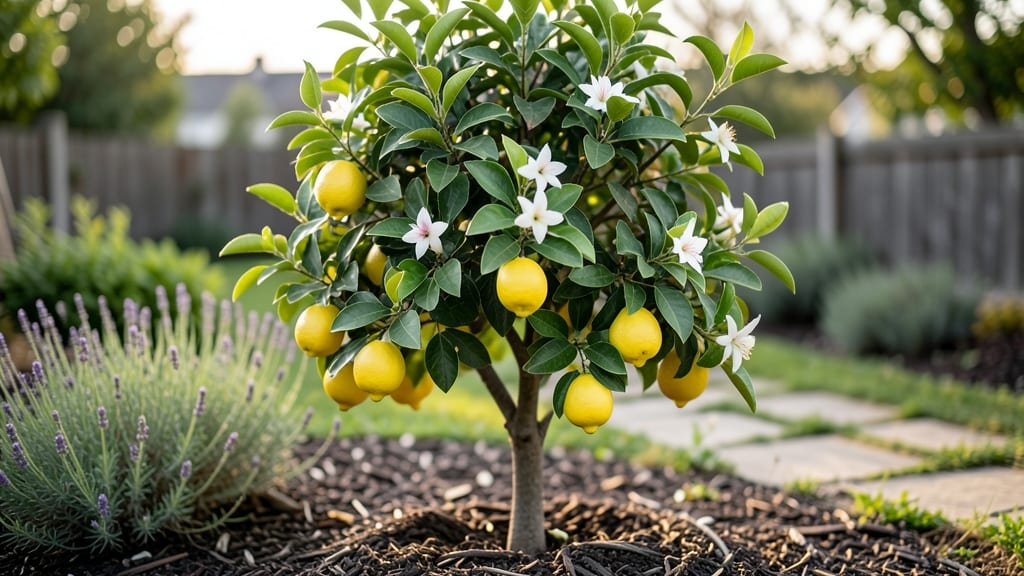
A Meyer lemon tree potted can deliver sunshine in a 5-gallon pot—no yard required. 🌱 I’ve grown mine on a balcony for three years, and the sweet, fragrant lemons are worth every late-night watering. The secret isn’t luck; it’s matching the tree’s Mediterranean roots to your space’s conditions.
You’ll need a 15- to 25-gallon container (bigger = more lemons), well-draining soil mixed with perlite, and a sunny spot—6+ hours of light daily. Overwatering kills potted citrus faster than anything, so let the top inch dry before watering again.
Fertilize monthly in spring/summer with citrus-specific food, and you’ll see blossoms by year two. By winter, you’ll be peeling fresh lemons for tea or baking, their perfume filling the air. The tree stays compact (4–6 feet tall), making it perfect for patios, kitchens, or even a sunny windowsill.
Prune leggy growth in early spring to encourage bushier, fruitier branches. The biggest challenge? Winter drafts. Move your tree indoors near a bright window if temps drop below 40°F, and watch it rebound with spring’s warmth.
With patience, your potted lemon will reward you with harvests for decades—no greenhouse needed.
📚 In This Guide
- What you need
- Instructions
- Tips and common mistakes
- Wrapping up and next steps
What you need
- ● Pot: A well-draining container (12–18 inches in diameter) with drainage holes. Opt for terracotta or fabric pots for better airflow.
- ● Potting Soil: A citrus-specific mix (e.g., 60% potting soil, 30% perlite, 10% compost) or a high-quality all-purpose mix amended with sand.
- ● Meyer Lemon Tree: A healthy nursery-grown sapling (3–5 feet tall) or a young grafted tree for better fruit production.
- ● Drainage Layer: Pebbles or broken pottery shards (2–3 inches deep) to prevent root rot.
- ● Fertilizer: A balanced citrus fertilizer (e.g., 6-6-6 NPK ratio) or organic options like fish emulsion or citrus-specific granules.
- ● Watering Can: With a narrow spout for precise watering (avoid overhead spraying).
- ● Pruning Shears: Sterilized, sharp shears for shaping and maintaining the tree.
- ● Grow Lights: A full-spectrum LED grow light (12–14 hours/day) for indoor setups lacking sunlight.
- ● Humidity Tray: A shallow tray with pebbles and water to boost humidity in dry climates.
- ● Support Stake: A bamboo or metal stake (for young trees) to prevent toppling.
- ● Mulch: Organic mulch (e.g., straw or bark chips) to retain moisture and regulate soil temp.
- ● Citrus Spray: A neem oil solution or insecticidal soap for pest prevention.
Step-by-Step instructions for growing a Meyer lemon tree in pots
Here’s the straightforward method I’ve used to keep Meyer lemon trees thriving in containers—even in apartments with limited sunlight.
🪴 Step 1: Choose the Right Pot and Drainage System
Start with a 5-gallon pot for your first year, then upgrade to 10-15 gallons as the tree matures. Meyer lemons hate soggy roots, so ensure the pot has multiple drainage holes—I drill extra holes if needed. Place a 2-inch layer of gravel or broken pottery at the bottom to create an air pocket and prevent root rot.
Use well-draining citrus potting mix (never garden soil—it compacts and suffocates roots). Mix in 20% perlite or pumice to improve aeration. Fill the pot to 2 inches below the rim, leaving room for watering. Tap the pot gently to settle the mix without compacting it too tightly.
🌱 Step 2: Plant and Water for Initial Establishment
Remove the tree from its nursery pot and loosen the roots if they’re circling. Place it in the center of your prepared pot, ensuring the root flare (where roots meet the trunk) sits just above the soil line. Fill around the roots with your potting mix, pressing lightly to remove air pockets.
Water deeply until it flows freely from the drainage holes—this ensures the roots make full contact with the moist mix. After watering, let the top 1 inch of soil dry out before watering again. Overwatering at this stage is the fastest way to kill a young Meyer lemon.
☀️ Step 3: Position for Maximum Sunlight and Warmth
Meyer lemons need 6-8 hours of direct sunlight daily—a south-facing window or grow lights (12-14 hours/day) work best. If natural light is weak, supplement with full-spectrum LEDs placed 12-18 inches above the tree. Rotate the pot quarter-turn weekly to prevent lopsided growth.
Keep temperatures between 65-85°F—they tolerate brief drops to 50°F but never below 40°F. If your space dips below 55°F at night, move the tree to a warmer spot or use a heating mat in winter. You’ll notice new growth slow down if it’s too cold.
💧 Step 4: Fertilize and Prune for Healthy Growth
Feed every 4-6 weeks with a balanced citrus fertilizer (6-6-6 or 8-3-9 ratio), diluted to half-strength. I switch to low-nitrogen fertilizer (like 5-10-10) once the tree starts flowering to encourage fruiting. Water 1 hour before fertilizing to prevent root burn.
Prune in late winter or early spring before new growth begins. Remove any dead, diseased, or crossing branches with clean, sharp shears. Cut just above a leaf node or outward-facing bud to encourage bushier growth. Avoid heavy pruning—Meyer lemons produce best when slightly open and airy.
⏰ Step 5: Monitor and Adjust for Fruit Production
Watch for white blossoms in spring—they’ll turn into tiny lemons in 6-9 months. If flowers drop without fruiting, your tree may need more sunlight or a cooler nighttime temperature (below 75°F). Hand-pollinate by gently shaking branches if bees aren’t visiting.
Harvest lemons when they’re bright yellow and slightly soft to the touch—usually in fall or winter. Twist gently to avoid damaging the tree. Thin overripe fruit to redirect energy to new growth. With proper care, a potted Meyer lemon can produce dozens of lemons yearly—even in small spaces.
Tips & tricks for perfect potted Meyer lemon trees
Between us, these little citrus powerhouses thrive when you nail the details—especially in containers. Here's what nobody tells you about keeping them happy and productive.
Drainage is Non-Negotiable: In Step 1, when you're setting up that 2-inch gravel layer, don't skimp on the drainage holes. I've seen Meyer lemons drown in pots with just one hole—add a second or third if your container doesn't have enough. The key is creating that air pocket at the bottom; without it, roots suffocate even with proper watering.
Soil Science Matters: That 20% perlite or pumice in your citrus mix isn't just filler—it's insurance against compacted soil. I've found that adding an extra 10% coarse sand to the mix prevents it from breaking down too quickly, especially in heavy-use containers. The mix should feel like a damp sponge, not wet cement.
Light Strategy for Small Spaces: For those 6-8 hours of sunlight in Step 3, position your tree within 3 feet of the brightest window. South-facing is ideal, but west-facing works too if you're in a cooler climate. If you're supplementing with grow lights, place them 12-18 inches above and use a timer for consistent 12-14 hours of light—this mimics natural daylight cycles and prevents leggy growth.
Watering Wisdom: The "let top inch dry" rule in Step 2 is crucial, but here's the secret: stick your finger 2 inches down. If that feels dry, water thoroughly until it flows from the bottom. The top inch can stay moist while roots deeper down need to dry out—this prevents the dreaded root rot while keeping leaves happy.
Pro Tips for Meyer Lemon Tree Potted
- Between us, these little citrus powerhouses thrive when you nail the details—especially in containers.
- Drainage is Non-Negotiable: In Step 1, when you're setting up that 2-inch gravel layer, don't skimp on the drainage holes.
- Soil Science Matters: That 20% perlite or pumice in your citrus mix isn't just filler—it's insurance against compacted soil.
Frequently asked questions
Got questions about keeping a Meyer lemon tree happy in a pot? You’re not alone! Here are answers to the most common curiosities—from pruning to pests—so your sun-kissed citrus thrives year-round.
How cold can a potted Meyer lemon tree tolerate?
A Meyer lemon tree is tender and cannot handle frost—temperatures below 30°F (-1°C) will damage or kill it. If you live in a chilly zone, move it indoors near a sunny window or into a garage (above freezing) during winter. A heat lamp can help if temps dip below 40°F (4°C).
When and how should I prune my potted Meyer lemon tree?
Prune in late winter or early spring (before new growth) to shape the tree, remove dead branches, and encourage airflow. Use clean, sharp shears to cut just above a leaf node at a 45° angle. Avoid heavy pruning—Meyer lemons produce fruit on older wood, so trim lightly (no more than 25% of the canopy) unless reshaping.
Why are my lemon tree’s leaves yellowing or dropping?
Yellow leaves often signal overwatering (check soil moisture—it should dry slightly between waterings) or nutrient deficiency (feed with citrus fertilizer every 4–6 weeks). Brown edges + crispy leaves? Underwatering or low humidity. Move the tree to brighter light (6+ hours of sun) and adjust care accordingly. Pests like spider mites can also cause stress—inspect leaves regularly!
Can I grow a Meyer lemon tree indoors year-round?
Yes! With the right setup, your potted Meyer lemon can thrive indoors. Place it near a south- or west-facing window (or use grow lights for 12+ hours/day). Rotate the pot weekly for even growth, and boost humidity with a pebble tray or humidifier. Just remember: outdoor summers (even in pots) help fruit production—bring it outside in warm months if possible!
How long does it take for a potted Meyer lemon tree to bear fruit?
Patience is key! A healthy potted Meyer lemon tree may take 2–5 years to produce fruit, depending on age, light, and care. Young trees focus on growth first. To speed things up, ensure it gets full sun (6+ hours/day), fertilize regularly, and maintain consistent moisture. Once it flowers, hand-pollinate with a small brush to boost fruit set.
How big should the pot be for a Meyer lemon tree?
Start with a 5-gallon pot for young trees, then upgrade to 10–15 gallons as it matures (aim for 3–4 inches of root space per year). Use a pot with drainage holes and a lightweight, well-draining mix (cactus/succulent soil + perlite). Overpotting can cause soggy roots—repot every 2–3 years or when roots circle the pot.
Wrapping up and next steps
Growing a Meyer lemon tree in a pot is a rewarding way to bring sunshine and zesty flavor to your space—no yard required! 🌱 With the right container, soil, and care, you’ll enjoy fragrant blooms and sweet-tart lemons year after year.
Whether you’re a beginner or a seasoned gardener, this citrus companion thrives with love and consistency.
Ready to take the next step? Start with a healthy plant, place it in a sunny spot, and keep those roots happy with regular watering and pruning. Soon, you’ll be harvesting lemons for fresh drinks, baked goods, or gifts for friends. Happy potting! 🍋✨