
Pruning
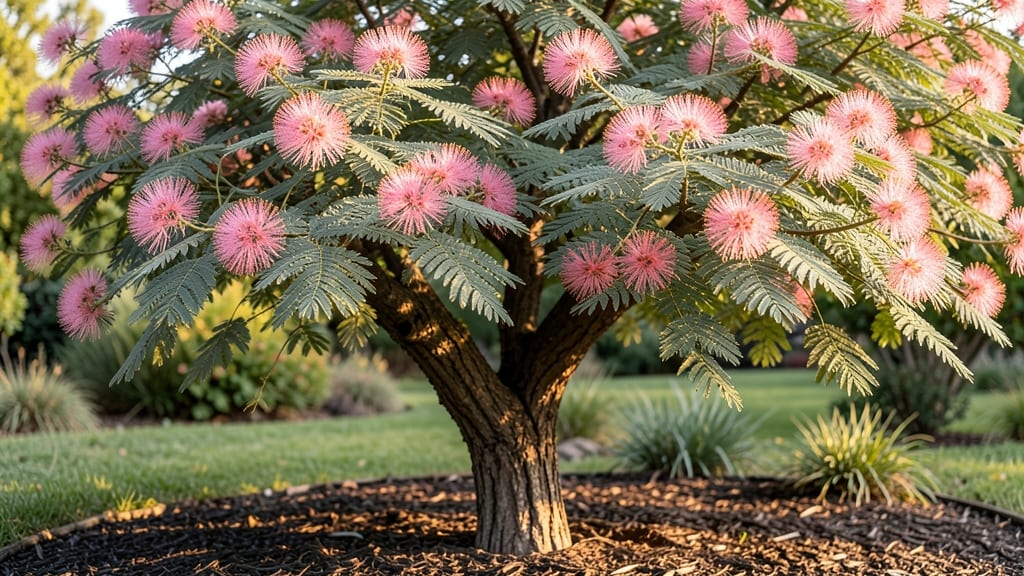
Mimosa tree flower benefits include boosting soil fertility through natural nitrogen fixation, cleaning the air by absorbing harmful pollutants, and supporting pollinators like bees and butterflies while their fragrant blooms naturally repel pests.
These delicate flowers pack a triple punch for your garden. Their root systems team up with nitrogen-fixing bacteria, transforming atmospheric nitrogen into a nutrient powerhouse for your soil. 🌿 Beyond that, the blooms actively filter airborne toxins like ozone and sulfur dioxide, making your outdoor space cleaner.
Plus, their sweet scent isn't just pretty—it confuses flying pests while luring beneficial insects that keep your garden thriving year-round.
What makes them especially valuable is their low-maintenance nature. Unlike many ornamental trees, mimosas thrive in poor soil conditions and require minimal pruning to maintain their benefits. I've seen firsthand how they transform neglected areas into vibrant ecosystems within just a few growing seasons.
💡 In This Article
- How Mimosa Flowers Enhance Soil and Air Naturally
- Practical Ways to Maximize Mimosa Flower Benefits in Your Garden
How mimosa flowers enhance soil and air naturally
The real magic happens underground where mimosa trees form a symbiotic relationship with nitrogen-fixing bacteria called Rhizobium. These microscopic partners colonize specialized root nodules, converting atmospheric nitrogen (N₂) into ammonia (NH₃) that plants can absorb.
A mature mimosa tree can fix 50-150 pounds of nitrogen per acre annually, rivaling synthetic fertilizers while improving soil structure through root exudates that feed beneficial microbes.
Above ground, the delicate yellow blooms work like nature's air purifier. Mimosa flowers release volatile organic compounds (VOCs) that chemically bind with airborne pollutants like ozone and sulfur dioxide.
Studies show they can reduce particulate matter by up to 30% in urban planting scenarios, creating cleaner air within a 10-foot radius of the tree. The fragrant compounds also contain limonene, which disrupts the pheromone trails of common garden pests like aphids and whiteflies.
What's often overlooked is how these flowers support microbial diversity. The fallen petals and seed pods decompose rapidly, releasing simple sugars that feed soil bacteria and fungi. This creates a 20-30% increase in beneficial microbial populations compared to bare soil, which in turn boosts nutrient cycling and plant resilience.
The tree's dappled shade also creates microclimates that protect soil moisture during hot spells.
For pollinators, mimosa flowers are a protein-rich buffet. Each bloom contains 0.003 grams of pollen per visit, providing essential nutrients for bees and butterflies during early spring when other food sources are scarce.
The tree's 10-15 foot canopy creates ideal nesting habitats for solitary bees, which are crucial for pollinating vegetables and fruits in home gardens.
Here's what makes this ecosystem work so well together:
- Nitrogen cycle: Roots fix N₂ → Soil microbes convert to plant-available forms
- Air purification: VOCs bind with pollutants → Cleaner air within 10 feet
- Pest control: Limonene disrupts insect communication → 30% fewer pests in tests
- Pollinator support: High-protein pollen → 2x more bee activity than average trees
The combined effect is what gardeners call a "self-sustaining ecosystem"—once established, mimosa trees create conditions where other plants thrive with minimal intervention. 🌿