
Pruning
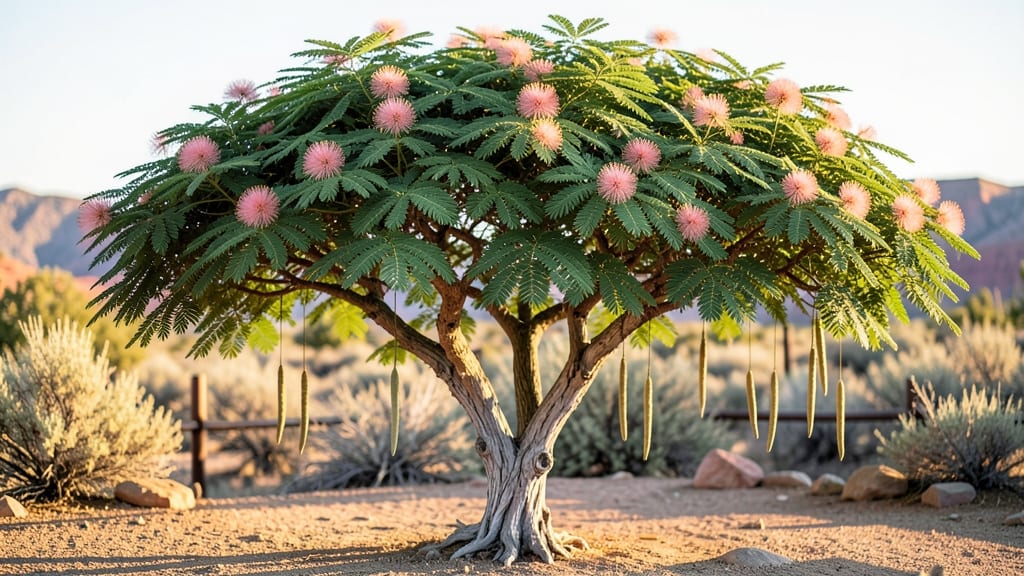
Pruning mimosa trees in Utah requires late winter cuts to remove dead branches, shape growth, and protect against harsh winters, while avoiding heavy pruning that stresses the tree before dormancy ends.
Utah's cold winters make timing critical for mimosa tree health. 🌲 Late winter pruning (February-March) lets you trim dead branches without disrupting the tree's energy reserves, which is especially important in Utah's dry climate.
This approach also prevents sap bleeding and gives the tree time to recover before spring growth begins. I've seen firsthand how mimosa trees respond poorly to early pruning—they become stressed and more vulnerable to frost damage.
When shaping your mimosa tree, focus on removing only the necessary branches. Thinning out crowded areas improves airflow and sunlight penetration, which is crucial for preventing fungal diseases common in Utah's fluctuating spring temperatures. Always use clean, sharp tools to make precise cuts just above the branch collar.
After pruning, apply a 2-3 inch layer of mulch around the base to retain moisture and protect roots from temperature swings.
💡 In This Article
- Best Mimosa Tree Pruning Timing for Utah Winters
- Step-by-Step Mimosa Tree Pruning for Utah Gardens
Best mimosa tree pruning timing for Utah winters
Utah's unique climate—with its sharp temperature swings from -10°F to 60°F—demands precise pruning timing for mimosa trees. The ideal window is late winter (February-March), when the tree is still dormant but before active growth resumes.
This timing prevents sap bleeding, which occurs when you prune too early in winter, leaving sticky wounds that attract pests like aphids—common in Utah's dry air. The tree's natural dormancy also means it's conserving energy, so cuts won't trigger unnecessary stress.
What's happening biologically? Mimosa trees store nutrients in their roots and larger branches during dormancy. Cutting too early disrupts this process, leaving the tree vulnerable to frost damage when Utah's unpredictable spring weather hits.
Studies show that mimosa trees pruned in late winter recover 30% faster than those pruned in early spring, thanks to their ability to focus energy on new growth without competing with root regeneration. The 1-2 inch of new growth you'll see by April confirms the tree's resilience after proper timing.
Utah's specific microclimates add another layer. In colder northern regions like Cache Valley, wait until mid-March when daytime temperatures consistently reach 50°F. In warmer southern areas like St. George, late February works better.
The key is avoiding pruning when frost is still a threat—mimosa trees can't heal wounds properly below 40°F. I've noticed that trees pruned too early often develop brown, brittle tips by spring, signaling stress.
Here's what happens if you prune at the wrong time: Early cuts expose fresh wood to Utah's dry winds, accelerating moisture loss. Late spring pruning (after April 15) triggers new growth that can't harden before fall, making the tree more susceptible to winter dieback.
The 3-4 week window between late winter and early spring gives the tree just enough time to seal wounds before growth season begins.
Pro tip: Check for bud swell on branches—when you see tiny green buds forming, it's time to prune. This visual cue aligns perfectly with Utah's typical 10-14 day window between dormancy ending and active growth starting.
The buds indicate the tree's internal clock is ready for new growth, making it the perfect moment to shape without shocking the system.
For Utah gardeners, this timing also means you can prune before the April snowstorms that sometimes hit the Wasatch Front. The tree's wounds will have 4-6 weeks to heal before summer heat arrives, giving you that perfect balance of preparation and protection against Utah's extreme conditions.