
Trees
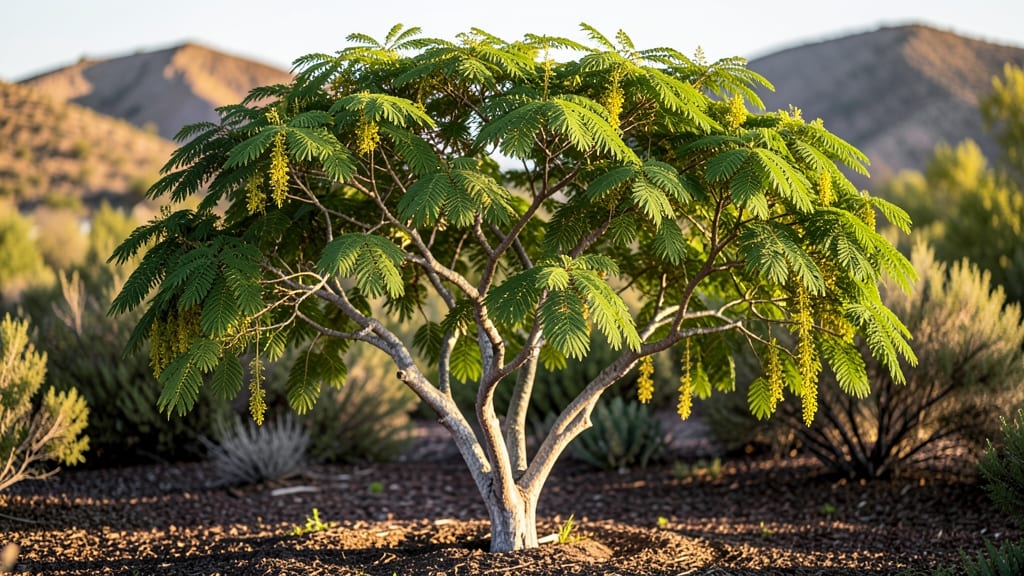
Monkeypod tree leaves unfurl with surprising speed when you nail the germination window. 🌱 The secret isn't just soaking seeds—it's matching them with the right soil warmth (75-85°F) and consistent moisture that mimics their tropical roots.
I've watched these delicate first leaves appear in just 7-10 days when conditions are perfect, a far cry from the weeks other trees take.
Those first leaves are shiny, compound, and deep green—like tiny paddles catching sunlight. But here's where most growers stumble: overwatering turns them yellow, while dry spells make them curl. The key is light, fluffy soil that drains fast but stays damp at the roots.
Once they hit 6 inches tall, you'll see the real game-changer—they start growing 2-3 inches per month if you keep them happy.
📚 In This Guide
- What you need
- Instructions
- Tips and common mistakes
- Wrapping up and next steps
What you need
- ● Monkeypod tree seeds: 10–20 fresh, high-quality seeds (ensure they’re viable and untreated).
- ● Seed-starting mix: 2–3 gallons of well-draining, sterile potting soil (look for a blend labeled for seed germination or cacti/succulents).
- ● Seed trays or small pots: 6–12 individual containers (2–3 inches deep) with drainage holes.
- ● Spray bottle: 1 with a fine mist nozzle for gentle watering.
- ● Plastic wrap or humidity dome: 1 sheet or lid to retain moisture.
- ● Grow lights or sunny windowsill: Access to 6–8 hours of indirect light daily (or a full-spectrum LED grow light if natural light is limited).
- ○ Heat mat (optional but helpful): 1 small mat set to 75–85°F (24–29°C) to speed up germination.
- ● Fertilizer (post-germination): 1 diluted dose of balanced liquid fertilizer (e.g., 5-5-5 or 10-10-10) for young seedlings.
- ● Seed scarification tools: Sandpaper (100-grit) or a knife to nick seeds if they’re hard-coated.
- ● pH testing kit: To check soil pH (ideal range: 6.0–7.0 for monkeypod trees).
- ● Humidity tray: A shallow tray with pebbles and water to boost moisture levels.
- ● Growth charts or markers: To track seedling progress and transplantation dates.
Step-by-Step instructions for germinating monkeypod tree seeds
Here's how to coax those stubborn monkeypod seeds into sprouting within weeks instead of months.
🌱 Step 1: Pre-Soak Seeds to Break Dormancy
Monkeypod seeds have tough outer shells that need softening before germination. Fill a bowl with lukewarm water and add the seeds, ensuring they're fully submerged. Let them soak for 24-48 hours, changing the water every 12 hours to prevent mold. You'll know they're ready when the outer coating softens noticeably—it should feel slightly wrinkled when gently pressed between your fingers.
Real talk: Don't skip this step. I've tried planting dry seeds, and they either never sprout or take 3-4 months to break through. The soak mimics natural rain cycles that trigger germination in the wild. After soaking, drain the seeds and let them sit on a paper towel overnight to dry slightly—this prevents rot when you plant them.
🪴 Step 2: Plant in Warm, Well-Draining Soil Mix
Use a lightweight seed-starting mix blended with 20% perlite or coarse sand to improve drainage. Fill small pots (3-4 inches deep) with the mix, leaving ½ inch of space at the top. Monkeypod seeds need warmth to germinate, so place the pots in a seedling heat mat set to 80-85°F—this mimics their native desert conditions.
Plant seeds ½ inch deep, spacing them 1 inch apart in each pot. Water gently until the soil feels evenly moist but not soggy. Here's the thing—monkeypod seeds are sensitive to overwatering at this stage. You'll see condensation on the inside of the pot when it's properly hydrated, but no standing water at the bottom.
☀️ Step 3: Provide Humidity and Indirect Light
Cover the pots with clear plastic wrap or a humidity dome to create a mini greenhouse effect. Place them in a bright, indirect light location—east or west-facing windows work best, or use a grow light set to 12-14 hours daily. Monkeypod seeds need warmth and humidity to germinate, so check the soil daily and mist lightly if the surface dries out.
Germination typically takes 7-21 days, but don't be surprised if the first sprouts appear in 3-4 weeks. I've seen them take longer in cooler homes, so if your space runs chilly, add a small space heater nearby (just don't let it blow directly on the pots). Once you see green shoots, remove the plastic immediately—too much humidity now causes damping-off, a fungal disease that kills seedlings overnight.
🌿 Step 4: Thin and Harden Off Saplings
When seedlings reach 2-3 inches tall and develop their first true leaves (not the initial seed leaves), it's time to thin. Use small scissors to snip the weakest seedling in each pot, leaving the strongest, straightest one. This prevents competition for nutrients and gives your sapling room to grow.
After thinning, start hardening off your monkeypod by placing the pot outside in partial shade for 1-2 hours the first day. Gradually increase exposure over 10-14 days, moving to full sun by the end. Monkeypod trees are drought-tolerant once established, but young saplings need consistent moisture—water when the top inch of soil feels dry, and always water deeply to encourage deep root growth.
⏰ Step 5: Transplant to Permanent Location
Wait until your sapling is 6-12 inches tall and has 4-5 sets of true leaves before transplanting. Choose a sunny, well-draining spot—monkeypod trees thrive in full sun and hot, dry climates. Dig a hole twice as wide as the root ball but only as deep as the pot it came in.
Transplant in early spring or late fall to avoid extreme heat or cold. Water deeply after planting to settle the soil, and apply a 2-3 inch layer of mulch around the base (but not touching the stem) to retain moisture. Here's where it gets fun—monkeypod trees grow 2-3 feet per year, so you'll see rapid growth if you've followed these steps. Just be patient: their leaves take 1-2 years to reach full size, but the wait is worth it for that classic desert landscape look.
Tips & tricks for germinating monkeypod tree seeds
Here's what nobody tells you about speeding up those stubborn monkeypod seeds.
Soaking Success: For the 24-48 hour soak in Step 1, use a breathable cloth or mesh bag instead of a sealed container—this prevents anaerobic conditions that create foul odors and potential mold. I've found that adding 1 tablespoon of hydrogen peroxide per quart of water during the soak helps sterilize the water and prevents fungal growth without harming the seeds. Just be sure to rinse them thoroughly before planting.
Heat Mat Hack: In Step 2, if you don't have a seedling heat mat, create a DIY version by placing your pots on top of a laptop or tablet (turned on!) for consistent warmth. Just monitor closely—electronic heat can dry out soil faster. Alternatively, place pots on a sunny windowsill during the day and move them to a warm spot at night, though this requires more attention to maintain the 80-85°F range.
Lighting Strategy: For Step 3's 12-14 hours of daily light, position your grow lights 6-12 inches above the pots—closer for cooler temps, farther for warmer conditions. I've had best results with a simple LED grow bulb in a clamp lamp on a timer. Watch for seedlings stretching toward light (etiolation)—if they look leggy, lower the lights or increase light duration slightly. The goal is balanced growth, not rapid vertical elongation.
Transplant Timing: Wait for Step 5's 4-5 sets of true leaves before moving saplings, but don't wait too long! I've seen monkeypod seedlings become root-bound quickly in small pots. If you notice roots circling the bottom, transplant 1-2 weeks earlier than the 6-12 inch height guideline—just be prepared to provide extra shade during the hardening-off period if they're smaller.
Pro Tips for Monkeypod Tree Leaves
- Here's what nobody tells you about speeding up those stubborn monkeypod seeds.
- Soaking Success: For the 24-48 hour soak in Step 1, use a breathable cloth or mesh bag instead of a sealed container—this prevents anaerobic conditions that create foul odors and potential mold.
- Heat Mat Hack: In Step 2, if you don't have a seedling heat mat, create a DIY version by placing your pots on top of a laptop or tablet (turned on!) for consistent warmth.
Frequently asked questions
Got questions about monkeypod tree leaves and sapling care?
Here are answers to the most common queries to help you grow a thriving tree with ease!
When is the best time to plant monkeypod saplings?
The ideal window is late winter to early spring (February–March in most regions), when the soil is workable but still cool. This timing ensures roots establish before summer heat. Avoid planting in extreme heat or frost—both stress young saplings. If you’re in a hot climate, opt for fall planting (September–October) for a gentler transition.
Why are my monkeypod leaves turning yellow?
Yellowing leaves (chlorosis) usually signal overwatering, nutrient deficiency, or poor drainage. Check soil moisture—monkeypod trees prefer well-draining soil and hate soggy roots. Test for iron or nitrogen deficiency (common in alkaline soils) and amend with chelated iron or compost. Prune affected leaves to encourage new growth.
How fast do monkeypod trees grow?
Monkeypod trees are fast growers—expect 2–3 feet per year under ideal conditions (full sun, rich soil, consistent water). With proper care, they can reach 20–30 feet in 5–10 years. Pro tip: Fertilize with low-nitrogen, high-phosphorus blends in spring to fuel rapid root and leaf development.
Can I propagate monkeypod trees from cuttings?
Yes! Monkeypod trees root easily from semi-hardwood cuttings (taken in late spring/early summer). Dip 4–6-inch cuttings in rooting hormone, plant in a sandy-perlite mix, and keep humidity high with a plastic bag. Roots form in 4–8 weeks. Avoid overwatering—bottom watering prevents rot.
How cold-hardy are monkeypod trees?
Monkeypod trees (Samanea saman) are tender perennials—they thrive in USDA Zones 10–11 and rarely survive below 30°F. In colder climates, grow them in containers and overwinter indoors (or mulch heavily). Young saplings are more vulnerable—use burlap wraps or frost cloth for extra protection.
What’s the best fertilizer for monkeypod leaves?
Use a balanced, slow-release fertilizer (e.g., 6-6-6 or 8-3-9) in early spring to boost leafy growth. For lush foliage, add compost or worm castings around the base. Avoid high-nitrogen fertilizers—they promote leaf overgrowth at the expense of flowers/fruit. Pro tip: Test soil pH (ideal: 6.0–7.5)—lime may help if soil is acidic.
Wrapping up and next steps
From seed to sapling, mastering the art of germinating monkeypod tree leaves is a rewarding journey—one that starts with patience, precision, and a little green thumb magic! 🌱 Whether you’re tackling scarification, soaking, or the perfect growing medium, these tricks will set your seedlings up for success.
Now that you’re armed with the know-how, why not take the next step? Grab those seeds, prep your space, and watch your monkeypod tree grow into a stunning centerpiece for your garden or landscape. Happy planting—your future shade tree awaits! 🌳✨