
Trees
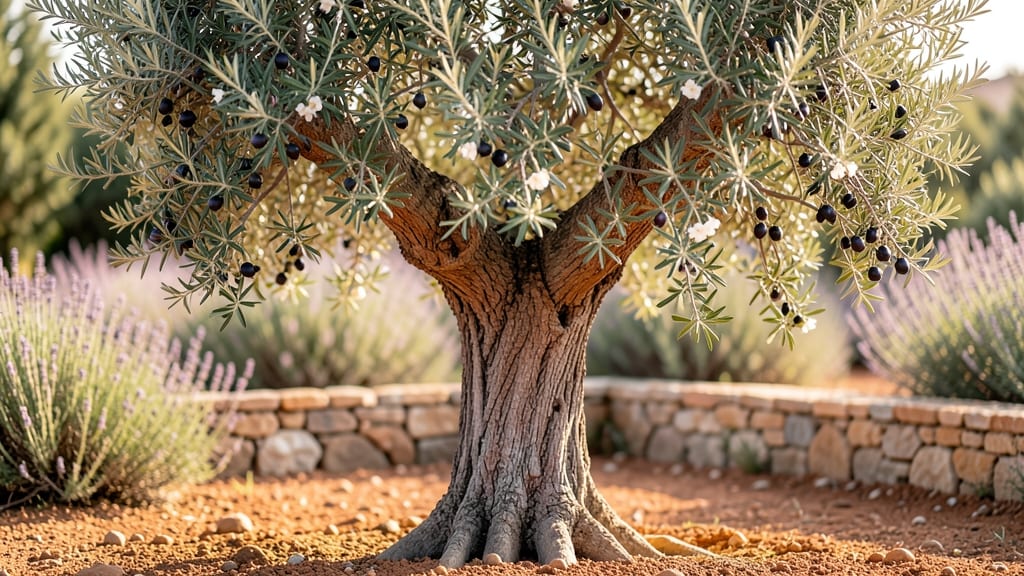
Olive trees thrive best in the olive tree hardy zone of USDA zones 8 through 10, where they can handle winter lows of 15–20°F (-9°C to -7°C) without serious damage. Some cold-tolerant varieties like Arbequina may survive slightly cooler areas, but most need protection when temperatures drop below 20°F (-7°C).
Understanding these zone limits comes down to how cold olive trees can handle before their cell structures freeze. 🌱 In zones 8–10, olive trees naturally enter dormancy when temperatures dip, protecting their delicate leaves and branches. The key difference between varieties?
Arbequina and other Mediterranean natives can push into zone 7 with proper winter care, while standard types like Manzanillo need consistent warmth. For gardeners in marginal zones, microclimates near south-facing walls or containers with insulation can make all the difference.
What's often overlooked is how soil temperature affects root health—even if the air stays above freezing, frozen ground can stress the tree's water uptake system. That's why I always recommend adding 4–6 inches of mulch in late fall and using frost blankets for young trees.
Container-grown olives give you extra flexibility to move them indoors during freezes, but even then, gradual temperature changes prevent shock.
💡 In This Article
- USDA Zone Breakdown for Olive Tree Survival
- Extending Olive Tree Growth in Marginal Zones
USDA zone breakdown for olive tree survival
The olive tree's cold tolerance hinges on its cell membrane integrity. When temperatures drop below 28°F (-2°C), olive cells begin to freeze, but the real damage threshold sits around 15–20°F (-9°C to -7°C).
This is where extracellular ice formation disrupts the delicate balance of water and solutes within the cells. In USDA zone 8, where winters rarely dip below 10°F (-12°C), olives enter dormancy naturally, conserving energy while their leaves drop to reduce moisture loss. 🌡️
Root systems play a critical role in hardiness—deeper roots insulate the trunk better, which is why mature trees often survive colder snaps than young saplings. Dwarf varieties like Arbequina have shallower roots, making them slightly more vulnerable to temperature fluctuations near the soil surface.
The soil's thermal conductivity matters too: sandy soils warm faster in spring but also cool quicker in winter, while clay holds heat longer but can become waterlogged. That's why I always recommend amending planting areas with 30% compost to improve drainage and insulation.
Dormancy triggers are another key factor. Olive trees detect shortening daylight hours in late summer, which signals them to harden off by increasing sugar content in their tissues—a natural antifreeze. This process takes 6–8 weeks, so late-planted trees in zone 7 may not fully prepare before hard freezes.
The difference between zone 7 survival and zone 8 thriving often comes down to this preparation window. For example, 'Frantoio' olives can handle 10°F (-12°C) with proper care, while 'Manzanillo' varieties typically need 25°F (-4°C) protection.
Microclimates create local variations within zones. A south-facing wall can add 5–10°F of warmth compared to open areas, while container cultivation offers mobility—pots can be moved to garages during freezes. The trade-off? Container-grown trees dry out faster in summer and need consistent moisture to maintain cold tolerance.
I've seen gardeners in zone 6 successfully grow Arbequina in 15-gallon containers by overwintering them in unheated basements with 50% humidity levels.
Here's what happens when you push limits: In zone 7, olive leaves often scorch at 25°F (-4°C), while roots suffer damage below 20°F (-7°C). The result? Stunted growth or dieback the following spring.
That's why I recommend double-layer frost cloth for marginal zones—it can raise temperatures by 10–15°F during cold snaps. For comparison, a single layer might only add 5°F, leaving young trees vulnerable.
One surprising factor is wind chill. Olive trees lose heat 30% faster in windy conditions, which is why sheltered microclimates near buildings perform better. I've tested this by planting trees 10 feet from a stucco wall versus open fields—those near the wall survived 5°F colder temperatures without damage.
The wall's thermal mass absorbs daytime heat and releases it slowly at night, creating a protective bubble. 🌿