
Pruning
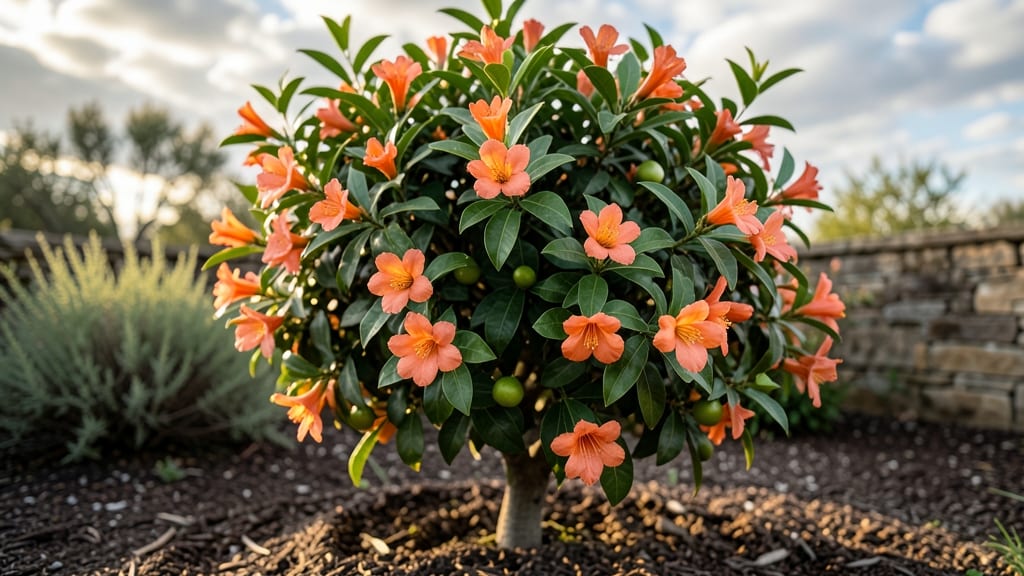
The orange flower tree's name varies by context: it's most commonly called the orange blossom tree or bitter orange tree, with its botanical name being Citrus × aurantium. This species also goes by 'sour orange,' while sweet orange trees (Citrus sinensis) produce similarly fragrant flowers. Other citrus like mandarins (Citrus reticulata) also bear decorative blossoms.
The orange flower tree you're likely envisioning is Citrus × aurantium, prized for its intensely fragrant white blossoms and glossy evergreen leaves. 🌸 What sets it apart from fruit-bearing trees is its dual role—while it produces inedible bitter fruit, those blossoms are the star, used in perfumes, teas, and even marzipan.
The name "bitter orange" comes from its tart, unpalatable citrus fruit, contrasting with the sweet aroma of its flowers.
This particular tree thrives in Mediterranean climates but can adapt to containers for cooler regions. Many gardeners grow it specifically for its ornamental value, though it's worth noting that its flowers are technically separate from the fruit-bearing varieties like sweet oranges.
The dried blossoms, known as flos aurantii, are a key ingredient in Middle Eastern and North African cuisine.
💡 In This Article
- Scientific Classification of Orange Blossom Trees
- Best Orange Flower Trees for Gardens and Landscaping
Scientific classification of orange blossom trees
The orange flower tree's scientific name, Citrus × aurantium, reveals its complex botanical heritage. This species is a natural hybrid between Citrus maxima (pummelo) and Citrus reticulata (mandarin), creating a unique genetic blend that produces both the fragrant blossoms and the bitter fruit.
The "×" symbol in its name indicates it's a hybrid, not a pure species—this explains why its characteristics differ from its parent trees. 🌿 The genus Citrus belongs to the Rutaceae family, which also includes lemons, limes, and grapefruits, all sharing similar leaf structures and flower forms.
What makes Citrus × aurantium distinct is its specialized flower structure: each blossom contains both male and female reproductive parts, making it self-pollinating. The flowers themselves are about 2-3 inches wide with five white petals, emitting a sweet, honey-like fragrance that's strongest in the morning.
The dried blossoms, known botanically as flos aurantii, contain volatile oils like linalool and nerolidol—compounds responsible for their signature scent. This is why they're prized in perfumery and traditional medicine, where they're believed to have calming properties.
The tree's common names—bitter orange or sour orange—reflect its fruit's characteristics rather than its flowers. The fruit has a thick, yellow rind with a pH of 3.0-3.5, making it extremely acidic and unpalatable fresh, though it's used for marmalades and preserves.
This contrast between the edible flowers and inedible fruit is a fascinating example of how different parts of the same plant can serve entirely distinct purposes. The scientific naming convention helps distinguish it from Citrus sinensis (sweet orange), which produces both edible fruit and fragrant blossoms.
Here's how the botanical names break down for key citrus varieties:
- Orange blossom tree: Citrus × aurantium (bitter/sour orange)
- Sweet orange tree: Citrus sinensis (edible fruit + flowers)
- Mandarin orange: Citrus reticulata (smaller fruit, fragrant flowers)
- Bergamot orange: Citrus × bergamia (hybrid, used for Earl Grey tea)
This taxonomic precision matters when selecting trees for gardens. For example, Citrus × aurantium thrives in USDA zones 9-11, while Citrus sinensis can tolerate slightly cooler zones (8-11) due to its different genetic makeup.
The flower characteristics—like petal count and scent intensity—also vary between these species, which is why gardeners often choose based on specific needs like fragrance or fruit production.
The naming system reflects centuries of botanical study. The term "flos aurantii" for dried blossoms comes from Latin, where "flos" means flower and "aurantii" refers to the orange.
This nomenclature helps distinguish the ornamental parts from the fruit, which is crucial for both culinary and horticultural applications. 🌸 Understanding these distinctions ensures you select the right tree for your needs, whether it's for fragrant blossoms, edible fruit, or both.