
Pruning
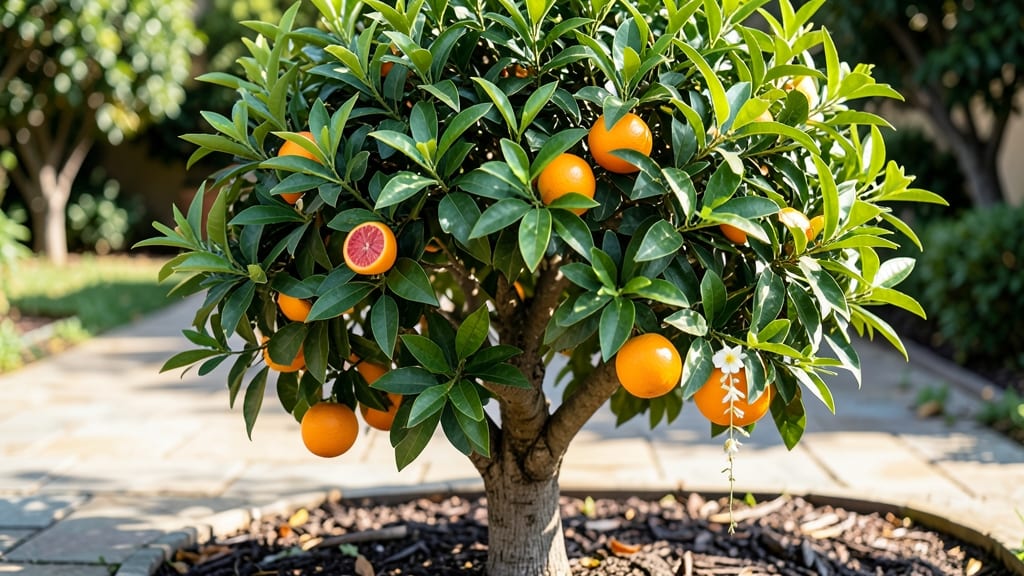
A Cara Cara orange tree size can reach 15 to 25 feet at maturity—taller than most backyard fences—if left unpruned, but with the right care, you can keep it compact and manageable.
If you’re dreaming of growing your own Cara Cara orange tree but wondering how much space it’ll need, you’re in the right place—this vibrant citrus variety grows surprisingly large, and proper planning is key to maximizing your harvest.
In Zone 9b, where these trees thrive, a standard Cara Cara can dominate your landscape unless you prune it regularly. Dwarf varieties, however, stay between 6 and 10 feet, making them perfect for containers or small urban gardens.
Below, I’ll break down how to control its size, the best pruning techniques, and whether a dwarf version fits your space—so you can enjoy fresh, sweet oranges without sacrificing your yard.

Mature Cara Cara orange tree size by variety: height & spread guide
If you're planning to grow a Cara Cara orange tree, understanding its mature size is crucial for proper spacing and care. Standard varieties can reach 15 to 25 feet tall with a spread of 10 to 15 feet, making them ideal for larger yards or orchards.
However, dwarf varieties stay between 6 to 10 feet tall, perfect for containers or small patios. Knowing these dimensions helps you choose the right variety for your space and avoid overcrowding.
Cara Cara orange trees grow at a moderate pace, reaching 6 to 10 feet in 3 years and maturing fully in 5 to 7 years. Their growth rate depends on climate, soil quality, and care.
In USDA Zone 9b or warmer, they thrive year-round, while cooler climates may require container growing or winter protection. Proper spacing from buildings or other trees is essential to prevent root competition and ensure healthy growth.
The spread of a Cara Cara orange tree is almost as wide as its height, creating a rounded canopy. This means you’ll need at least 10 feet of clearance in all directions for a standard tree.
Dwarf varieties are more compact, with a spread of 5 to 8 feet, making them suitable for urban gardens or balconies. Always check the specific variety’s growth habits before planting, as some may grow slightly taller or wider.
| Variety | Mature Height (ft) | Mature Spread (ft) | Growth Rate (yrs to mature) | Best For |
|---|---|---|---|---|
| Standard Cara Cara | 15–25 | 10–15 | 5–7 | Large yards, orchards |
| Dwarf Cara Cara | 6–10 | 5–8 | 3–5 | Containers, patios, small gardens |
| Semi-Dwarf Cara Cara | 10–15 | 8–10 | 4–6 | Medium yards, larger containers |
| Cara Cara Improved (Dwarf) | 6–8 | 4–6 | 3–4 | Urban gardens, balconies |
For container growing, dwarf Cara Cara varieties are the best choice, as they thrive in pots that are at least 18 to 24 inches in diameter.
Standard trees require in-ground planting due to their size, but even dwarf varieties need well-draining soil and regular watering to prevent root rot. If you’re growing in a pot, choose a lightweight, breathable material like fabric or plastic to avoid weight issues as the tree matures.
Comparing Cara Cara orange trees to other citrus varieties, they tend to be slightly larger than lemon trees (which max out at 10–15 feet) but smaller than grapefruit trees (which can reach 20–30 feet).
Their vibrant red-orange fruit adds a pop of color, but their size means they need more space than smaller citrus like calamondins or kumquats. Always factor in their mature dimensions when designing your garden layout.
If you’re in a small space, consider pruning your Cara Cara tree annually to control its size. Pruning not only keeps the tree manageable but also improves airflow, reducing the risk of fungal diseases like citrus canker.
Focus on removing suckers and crossing branches while maintaining a balanced shape. With proper pruning, even standard varieties can be kept slightly smaller without sacrificing fruit production.
Another key factor is the root system of Cara Cara orange trees. Standard varieties develop deep roots, while dwarf varieties have shallower roots, making them more adaptable to containers.
If you’re planting in the ground, dig a hole twice as wide as the root ball but no deeper to encourage outward root growth. Amend the soil with compost or citrus-specific fertilizer to ensure optimal nutrient uptake as the tree grows.
For urban gardeners, dwarf Cara Cara varieties are a game-changer. They fit easily on patios or balconies, provided they receive at least 6 hours of sunlight daily. Use a large container with drainage holes and a slow-release fertilizer to support their growth.
With the right care, you can enjoy fresh Cara Cara oranges year-round, even in a tiny space. Just remember to rotate the pot occasionally to ensure even sunlight exposure.
Finally, consider the long-term impact of your Cara Cara tree’s size. A standard tree will eventually outgrow most residential backyards, while dwarf varieties remain manageable for decades. If you’re unsure about the variety, start with a dwarf Cara Cara Improved—it’s hardy, productive, and perfect for beginners.
With the right variety and care, you’ll have a thriving citrus tree that fits your space beautifully.
How to control Cara Cara orange tree size: pruning tips for small spaces
Controlling your Cara Cara orange tree size is essential, especially if you're working with limited space. Without proper pruning, these trees can reach 15-25 feet tall, making them unsuitable for small yards or containers.
The good news? With the right techniques, you can keep your tree compact while still enjoying a bountiful harvest of those sweet, deep-red oranges.
Pruning isn’t just about reducing size—it’s also about improving air circulation, sunlight penetration, and overall tree health. For small-space gardening, focus on structural pruning and fruit-bearing branch management to encourage bushier growth without sacrificing productivity.
Let’s dive into the step-by-step process to keep your Cara Cara orange tree in check.
Step-by-Step Pruning Guide for Cara Cara Orange Trees
-
Step 1: Choose the Right Time
Prune your Cara Cara orange tree during late winter or early spring (February-March) while the tree is still dormant but before new growth begins. Avoid pruning in summer or fall to prevent stress or disease. -
Step 2: Gather Your Tools
You’ll need sharp pruning shears, sterilized pruning saw, gloves, and disinfectant (like rubbing alcohol) to clean tools between cuts. This prevents the spread of bacterial infections. -
Step 3: Remove Dead or Diseased Branches
Start by cutting out any dead, dying, or diseased branches. Look for branches with blackened leaves, fungal growth, or no signs of life. Cut these back to the main trunk or healthy growth. -
Step 4: Thin Out Crowded Branches
Focus on removing crossing branches or those growing inward. These compete for sunlight and nutrients. Aim to leave open space between branches for better air flow, which reduces humidity-related diseases. -
Step 5: Prune for Bushier Growth
To encourage a fuller, bushier tree, cut back the tips of branches by about 1/3. This promotes the growth of side branches and increases fruit production. Avoid heavy pruning—stick to light shaping. -
Step 6: Shape the Tree
Use pruning to create a balanced canopy. Remove branches that are growing too tall or too low to maintain a compact shape. For container-grown trees, keep the height under 6-8 feet for manageability. -
Step 7: Clean Up and Disinfect
After pruning, sterilize your tools again and remove all pruned debris from the area. This prevents pests and diseases from taking hold in your garden. Apply a light mulch around the base to protect roots.
For container-grown Cara Cara orange trees, pruning is even more critical. Since pots limit root growth, you’ll need to prune more aggressively to control size.
Aim to keep the tree’s height under 6 feet by regularly trimming back new growth. This ensures your tree stays manageable while still producing fruit.
Remember, consistency is key. Prune your tree annually to maintain its size and shape. Avoid over-pruning, as this can stress the tree and reduce fruit production. With the right approach, you can enjoy a compact, productive Cara Cara orange tree even in the smallest of spaces! 🌱