
Container Gardens
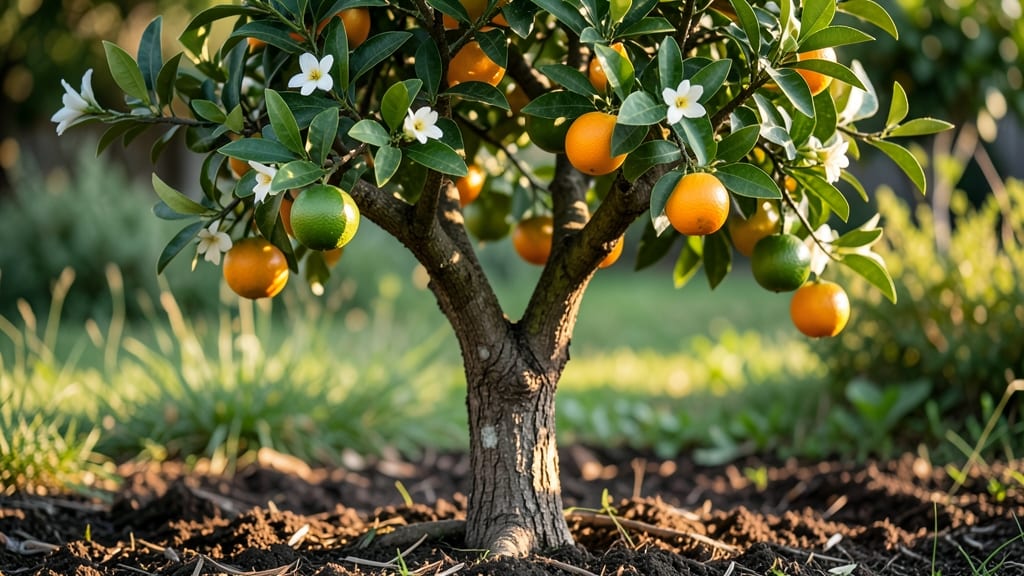
Your orange tree's growing season starts when daytime temps hit 60°F consistently—that's when buds form and fruit sets. 🌿 I learned the hard way that planting too early in cooler zones means frost-nipped blooms, but timing right means juicy oranges by winter.
The key is matching your zone to the tree's native subtropical rhythm. In Mediterranean climates (zones 9-11), outdoor trees thrive year-round with minimal winter protection. Cooler zones (7-8) need container growing or microclimates—my patio orange survives winters in Zone 7 by moving it under a porch.
Even indoors, bright light and humidity tricks keep trees fruiting. You'll harvest when fruit turns deep orange and yields slightly to gentle squeeze—typically 12-18 months after flowering. Prune lightly after harvest to shape the tree, and fertilize in spring for next year's bloom.
The first crop might be small, but each season builds. For non-tropical zones, indoor growing extends the season but requires 14+ hours of light daily—grow lights help. Outdoor trees in cooler areas need winter wraps and mulch. The payoff? Fresh citrus anytime, even in snowy climates.
📚 In This Guide
- What you need
- Instructions
- Tips and common mistakes
- Wrapping up and next steps
What you need
- ● Orange Tree Seedling or Sapling: Choose a cold-hardy variety like Citrus × aurantium (Seville orange) or Citrus sinensis (sweet orange). Buy from a nursery (avoid grocery store trees—they’re often grafted and may not thrive).
- ● Well-Draining Potting Mix: 5–10 gallons (for containers). Use a blend of cactus/succulent mix (50%), perlite (25%), and compost (25%) to prevent root rot.
- ● Container (if applicable): 15–25 gallon pot with drainage holes. Use fiberglass or plastic (avoid terracotta—it dries too fast).
- ● Slow-Release Fertilizer: Balanced 10-10-10 or citrus-specific formula (e.g., Espoma Citrus-Tone). Apply at planting (1 cup per 5 gallons of soil).
- ● Mulch: 2–3 inches of wood chips or straw to retain moisture and regulate temperature.
- ● Gloves & Pruners: Sterilized bypass pruners for shaping and removing dead branches.
- ● pH Test Kit: Ideal soil pH: 6.0–7.0. Adjust with lime (to raise pH) or sulfur (to lower).
- ● Drip Irrigation or Hose: Oranges need 1–1.5 inches of water weekly (more in containers).
- ○ Frost Protection (Zone 8 & below): Frost cloth or row covers for winter. Optional: space heater for extreme cold snaps.
- ● Sunlight Access: 6–8+ hours of direct sun daily. South-facing windows or outdoor space required.
- ● Citrus Food: Liquid fertilizer (e.g., Miracle-Gro for Citrus) for mid-season boosts.
- ● Pollination Aid: A soft paintbrush to hand-pollinate flowers (if indoors or low on bees).
- ● Support Stakes: For young trees (2–3 ft tall) to prevent wind damage.
- ● Pest Control: Neem oil or horticultural oil for aphids/mites (common in citrus).
Step-by-step guide to orange tree growing season timing
Here's how to align your orange tree's care with your climate zone for peak fruit production.
🌱 Step 1: Determine Your Hardiness Zone and Planting Window
First, find your USDA hardiness zone—this dictates when to plant and how to protect your tree. Citrus thrives in zones 9-11, but even in cooler zones, you can grow them in containers and bring them indoors during winter. For in-ground planting, aim for spring after your last frost date, typically between March and May in most regions.
Watch for consistent nighttime temperatures above 50°F—this is your signal that the frost danger has passed. In colder zones, plant in late spring when soil temperatures reach at least 65°F at a 4-inch depth. Use a soil thermometer to check; cool soil slows root establishment and makes trees vulnerable to shock.
☀️ Step 2: Time Bloom Period and Fruit Development
Orange trees bloom in late winter to early spring, typically between February and April, depending on your zone. You'll see clusters of white flowers appear—this is the moment that matters: it sets the stage for fruit production. In cooler zones, protect blooms from late frosts by covering trees with frost cloth or moving potted trees indoors temporarily.
After blooming, fruit sets and grows over 6-9 months. In warm climates, fruit ripens by fall or winter, while in cooler zones, it may take until late winter or early spring of the following year. Watch for color changes from green to orange—this is your harvest cue. Never pick fruit before it fully ripens; immature oranges lack sweetness and flavor.
✂️ Step 3: Schedule Pruning and Maintenance for Seasonal Growth
Prune your orange tree in late winter or early spring, just before new growth begins. Remove dead, diseased, or crossing branches to improve air circulation and sunlight penetration. Thin out overly dense foliage to reduce humidity, which helps prevent fungal diseases. Aim to shape the tree into an open vase form—this encourages sunlight to reach inner branches where fruit develops.
Apply a balanced citrus fertilizer in early spring and again in mid-summer to support new growth and fruit development. Water deeply once a week during the growing season, but reduce frequency in fall and winter when the tree enters dormancy. Let the top 2-3 inches of soil dry out between waterings—overwatering in winter can lead to root rot.
🪴 Step 4: Prepare for Winter Dormancy and Cold Protection
In zones below 9, prepare your orange tree for winter by reducing watering in late fall and stopping fertilizer applications. If growing in containers, move the tree indoors to a sunny spot with temperatures between 45-55°F. Avoid drafts or sudden temperature swings, which can stress the tree. In-ground trees need mulch around the base to insulate roots—apply 2-3 inches of mulch in a ring, keeping it 6 inches away from the trunk.
Watch for signs of cold stress, like yellowing leaves or wilting branches. If temperatures drop below 28°F, cover the tree with frost cloth or a blanket secured loosely to allow airflow. Never wrap plastic directly around the tree—it traps moisture and can cause damage. In spring, resume regular care once nighttime temperatures stay above 50°F consistently.
Tips & tricks for perfect orange tree seasonal care
Took me years of trial and error to figure out these key strategies—here's how to maximize your orange tree's potential while avoiding common pitfalls.
Zone-Specific Planting: In cooler zones, don't rush planting! Wait until soil temperatures reach at least 65°F at 4-inch depth—this prevents root shock. I learned this the hard way after planting too early and watching roots struggle. Use a soil thermometer to check; it's worth the investment for first-time growers.
Bloom Protection Strategy: The February-April bloom window is critical—late frosts can devastate your harvest. Keep frost cloth handy and be ready to cover trees at night if forecasts predict 32°F or lower. I've seen entire harvests lost because I didn't act fast enough during a surprise frost.
Watering Wisdom: During the growing season, water deeply once a week—but let the top 2-3 inches dry between waterings. In winter, reduce to every 2-3 weeks unless your tree is potted. Overwatering in winter causes root rot, which is harder to fix than most people realize. A moisture meter helps avoid this common mistake.
Winter Prep Checklist: When preparing for winter, remember these three critical steps: reduce watering in late fall, stop fertilizing completely, and apply 2-3 inches of mulch (but keep it 6 inches from the trunk). I've seen trees survive harsh winters with just these protections—it's that simple when you know what to watch for.
Pro Tips for Orange Tree Growing Season
- Took me years of trial and error to figure out these key strategies—here's how to maximize your orange tree's potenti...
- Zone-Specific Planting: In cooler zones, don't rush planting! Wait until soil temperatures reach at least 65°F at 4-i...
- Bloom Protection Strategy: The February-April bloom window is critical—late frosts can devastate your harvest. Keep f...
Frequently asked questions
Got questions about timing, care, or troubleshooting your orange tree’s growing season? Here are the answers to the most common queries—so you can grow juicy, sweet oranges with confidence!
What’s the best climate zone for growing orange trees?
Orange trees thrive in USDA Hardiness Zones 9–11, where winters stay above 20°F (-6°C). In colder zones (7–8), grow them in containers and bring them indoors during frost. Dwarf varieties adapt better to pots and cooler climates.
How long does it take for an orange tree to bear fruit?
Patience is key! Dwarf varieties may produce fruit in 3–5 years, while standard trees can take 5–12 years. Factors like sunlight, soil quality, and proper pruning speed up fruiting. Young trees focus on growth first—don’t rush it!
Can I grow an orange tree in a container if I live in Zone 5?
Yes! Use a large pot (15+ gallons) with drainage holes and move it indoors (garage, sunroom) when temps drop below 40°F (4°C). Choose cold-hardy varieties like Citrus × aurantium (sour orange) or dwarf Citrus sinensis for better survival.
Why aren’t my orange tree leaves turning green, and how do I fix it?
Yellow or pale leaves often signal nutrient deficiency (iron/chlorosis) or overwatering. Try these fixes:
- Apply chelated iron or Epsom salt (1 tbsp/gallon) to soil.
- Water only when the top 2 inches of soil are dry.
- Ensure 6+ hours of sunlight daily—shade causes weak growth.
If pests like aphids are present, spray with neem oil.
How do I know when my oranges are ripe and ready to pick?
Ripe oranges are bright orange (not green), slightly soft when gently squeezed, and release easily from the tree. Check for a sweet, fragrant aroma near the fruit. Harvest in late fall to winter (varies by variety). Unripe oranges won’t sweeten after picking!
Wrapping up and next steps
Growing an orange tree is a rewarding journey that thrives on patience and the right timing—especially when it comes to understanding your climate zone’s growing season.
Whether you’re nurturing a dwarf variety in a container or a full-sized tree in the ground, aligning planting, pruning, and harvesting with your local frost dates ensures sweet, juicy fruit. 🌱✨
Now that you’re armed with the knowledge, take the next step: mark your calendar for your zone’s key dates, gather your supplies, and get ready to enjoy the burst of sunshine that orange trees bring to your garden. Happy growing—your future harvest is waiting!