
Pruning
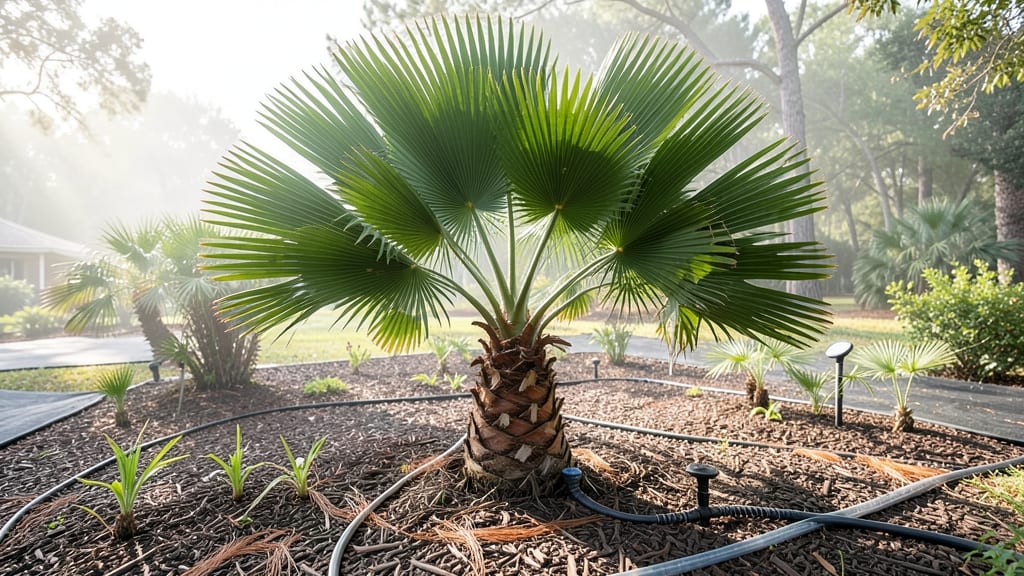
A palm tree grower can cut germination time from months to weeks with cold-stratifying seeds—here’s how to skip the waiting game and get those first fronds unfurling faster than you’d expect. 🌱 I’ve sprouted tropical palms in my basement using nothing but a plastic bag and a fridge—here’s how to mimic winter’s natural chilling period.
Most growers overlook this step, which is why their seeds take forever (or never) to break dormancy. You’ll need a damp paper towel, a sealed bag, and a cold spot—no greenhouse required. Once sprouted, those seedlings grow with shocking speed, outpacing store-bought palms in just a few months.
By spring, you’ll have sturdy young palms ready for pots or the ground, their fronds already reaching for the light. The best part? This method works for indoor palms too—no more waiting years for a nursery plant to mature.
Just add patience (and a little cold treatment) for results that’ll make your neighbors green with envy.
Works for outdoor palms in warm climates or container-grown palms in cooler zones. Here’s how to do it right—no guesswork, just proven results.
📚 In This Guide
- What you need
- Instructions
- Tips and common mistakes
- Wrapping up and next steps
What you need
- ● Palm tree seeds: Choose high-quality, fresh seeds (e.g., Phoenix dactylifera or Cocos nucifera). Buy 5–10 seeds to maximize success.
- ● Cold-stratification supplies: Plastic storage bag (1 quart size) or a damp paper towel
- ○ Ziploc bag (optional, for extra moisture retention)
- ● Refrigerator (set to 34–40°F (1–4°C))
- ● Potting mix: 5–10 gallons of well-draining, sterile mix (e.g., 50% coconut coir + 30% perlite + 20% sand). Avoid garden soil!
- ● Containers: Seed-starting trays (72-cell, 1–2 inches deep)
- ● 5–10 gallon pots (with drainage holes) for saplings
- ● Tools: Pruning shears (sterilized with rubbing alcohol)
- ● Spray bottle (for gentle watering)
- ● pH meter or test kit (ideal pH: 5.5–6.5)
- ○ Heat mat (optional, for faster germination: 75–85°F (24–29°C))
- ● Growth aids: Seed germination accelerator (e.g., Hydrogel)
- ● Slow-release fertilizer (e.g., 14-14-14 NPK, 1 tbsp per 5 gallons)
- ● Environmental controls: Grow lights (LED, 12–16 hours/day)
- ● Humidity dome or plastic wrap (to retain moisture)
- ● Safety gear: Gloves (to protect from seed coatings) and goggles (if handling sand/perlite).
Step-by-step instructions for cold-stratifying palm tree seeds
Here's how I speed up germination—no waiting months for stubborn palm seeds to sprout.
🌱 Step 1: Select and Prepare Mature Palm Seeds
Choose fully ripe palm seeds—look for a hard, dry shell that doesn't crack when squeezed. I like to soak them in lukewarm water for 24 hours first to soften the outer husk. This isn't just about hydration; it's about breaking down the seed's natural dormancy barrier so cold stratification can work its magic.
After soaking, gently rub the seed against a rough surface to remove any remaining fibrous material. Don't scrub aggressively—you're just cleaning, not trying to crack the shell. A paper towel works perfectly for this step. The goal is a clean seed with no debris clinging to it.
💧 Step 2: Cold-Stratify for 6-8 Weeks
Place the prepared seeds in a sealed plastic bag with a small amount of moistened peat moss or vermiculite. I use about 1/4 cup of moistened medium per seed—just enough to keep everything damp but not soggy. Seal the bag tightly and place it in your refrigerator's crispier drawer where temperatures stay consistently between 35-45°F.
Check the seeds every 2 weeks—they shouldn't feel dry or moldy. If you see condensation on the bag walls, that's perfect. The cold stratification process mimics winter conditions, tricking the seed into thinking it's time to break dormancy. This is where the magic happens, but patience is key—don't rush it.
☀️ Step 3: Warm Up and Plant for Germination
After 6-8 weeks in cold storage, remove the seeds and let them sit at room temperature for 24 hours before planting. This gradual temperature shift prevents shock. Fill a 6-inch deep container with a mix of 50% potting soil and 50% perlite—this ensures excellent drainage while retaining enough moisture.
Plant each seed about 1 inch deep, pressing gently but firmly to ensure good soil contact. Water lightly until the soil surface looks damp but not wet. Place the container in a warm, bright location—I use a seedling heat mat set to 75°F under a grow light for 14 hours daily. Germination should begin in 2-4 weeks, but some stubborn varieties may take longer.
🌿 Step 4: Care for New Sprouts
Once you see the first 1-inch sprout, move the container to a location with bright, indirect light. Direct sunlight at this stage can scorch tender new leaves. Keep the soil consistently moist but never soggy—water when the top inch feels dry. I use a spray bottle for gentle watering to avoid disturbing the delicate sprouts.
After 3-4 weeks of growth, when the seedling reaches 6 inches tall, it's ready for its first transplant into a 1-gallon container. This gives the roots room to establish without competing for space. The key now is patience—palm trees grow slowly at first, but with proper care, they'll reward you with dramatic growth in their second year.
Tips & tricks for cold-stratifying palm tree seeds
These pro tips will help you maximize your palm tree germination success without the months-long wait.
Selection is Everything: Don't just grab any palm seed—look for ones with a hard, dry shell that doesn't crack under pressure. The 24-hour lukewarm soak isn't just about softening; it's breaking dormancy. I've found that seeds with a slight natural crack at the base germinate fastest. If you're unsure, tap two seeds together—if they make a hollow sound, they're ready.
Medium Matters: While peat moss or vermiculite work perfectly, coconut coir is an excellent substitute that holds moisture better. Just keep that 1/4 cup per seed ratio—too much moisture creates anaerobic conditions that can rot your seeds. I like to sprinkle the medium lightly with a fungicide (like cinnamon powder) before sealing the bag to prevent mold during the 6-8 week cold period.
Temperature Troubleshooting: Your fridge's crispier drawer should stay between 35-45°F, but check it with a thermometer first—some fridges run hotter. If condensation forms on the bag walls, that's ideal. If you notice mold or foul smells after 2 weeks, open the bag for 30 minutes to air out before resealing. The goal is damp, not soggy.
Transplant Timing: That 6-inch height threshold for the first transplant is flexible—watch for the seedling's first true leaves (not the initial sprout) before moving. I've had some varieties reach transplant size in just 3 weeks with perfect care, while others take nearly 5 weeks. The key is consistent moisture without overwatering—those delicate roots need oxygen too.
Pro Tips for Palm Tree Grower
- These pro tips will help you maximize your palm tree germination success without the months-long wait.
- Selection is Everything: Don't just grab any palm seed—look for ones with a hard, dry shell that doesn't crack under pressure.
- Medium Matters: While peat moss or vermiculite work perfectly, coconut coir is an excellent substitute that holds moisture better.
Frequently asked questions
Got questions about growing palm trees from scratch?
You’re not alone! Here are some of the most common queries from palm tree growers—plus quick, actionable answers to keep your project on track.
How long does it take for a palm tree seed to sprout after cold stratification?
Most palm seeds need 4–12 weeks of cold stratification (depending on the species) before germinating. Once stratified, expect sprouts in 2–8 weeks under warm, moist conditions. Patience is key—some tropical palms (like Cocos nucifera) can take months to break dormancy.
Can I skip cold stratification for faster germination?
Not recommended! Cold stratification mimics winter conditions, breaking seed dormancy and boosting success rates. Skipping it may leave seeds ungerminated or prone to rot. For stubborn seeds, try soaking in warm water for 24–48 hours before stratification to soften the husk.
What’s the best indoor setup for sprouting palm seeds?
Use a clear plastic container with a mix of peat moss and perlite (kept 80–90°F). Place the container in a bright, indirect-light area (like a sunny windowsill) and maintain high humidity with a lid or humidity dome. A seedling heat mat can speed up germination.
My palm seed sprouted but the seedling looks weak—what’s wrong?
Weak seedlings often suffer from overwatering, low light, or nutrient deficiency. Adjust care by:
- Watering only when the top inch of soil is dry (palms hate soggy roots!).
- Providing 12+ hours of light daily (grow lights help indoors).
- Fertilizing lightly with a balanced palm fertilizer (half-strength) after 3 months.
When can I transplant my palm seedling outdoors?
Wait until the seedling has 3–5 mature leaves and is at least 12–18 inches tall. Transplant on a warm, cloudy day to reduce stress, and harden off the plant for 1–2 weeks by gradually exposing it to outdoor conditions. Choose a sheltered spot for the first year to protect it from wind and frost.
Wrapping up and next steps
Growing palm trees from cold-stratified seeds is a rewarding journey that combines patience with the thrill of nurturing life! By mastering the right techniques—from selecting quality seeds to monitoring humidity and temperature—you’ll unlock faster, healthier growth and a stunning tropical centerpiece for your space. 🌴✨
Ready to take the next step? Start with just one seed—experiment, document your progress, and share your green thumb success with fellow plant enthusiasts. Your future palm oasis begins with that first sprout!