
Blooming
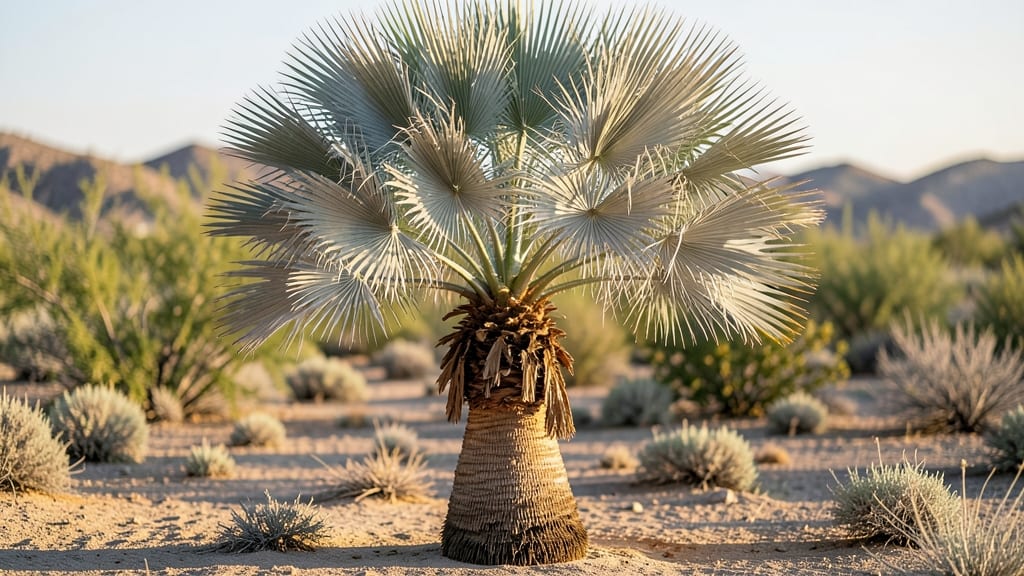
Long palm trees vary dramatically by species, with tropical varieties like the coconut palm towering to 60–100 feet while hardier types such as the windmill palm stay under 15 feet. Their growth potential depends heavily on climate, sunlight exposure, and soil conditions.
The height differences between palm species are staggering—some tropical giants like the coconut palm can reach 100 feet in ideal conditions, while others like the pygmy date palm max out around 10 feet. 🌴 What's fascinating is how climate zones dictate these extremes: palms in USDA zones 10–12 thrive with rapid growth, while those in zones 8–9 often develop dwarfed, slower-growing varieties.
Even within the same species, a palm in Florida might dwarf one in Hawaii due to soil composition and water availability.
If you're planning to grow tall palms, focus on well-draining soil and consistent moisture—these are the two biggest factors after species selection. Pruning at the right time (late winter) can also encourage vertical growth by redirecting energy upward.
Just remember: patience is key—most palms take 5–10 years to reach even half their mature height.
💡 In This Article
- Tallest Palm Tree Species and Their Growth Patterns
- Optimizing Palm Tree Growth for Maximum Height
Tallest palm tree species and their growth patterns
The coconut palm (Cocos nucifera) holds the record for tallest palm trees, often soaring to 100 feet in tropical climates like Hawaii or Southeast Asia. Its rapid growth rate of 1–2 feet per year during the first decade makes it one of nature's fastest-growing palms.
The towering height comes from its single, unbranched trunk that supports a massive canopy of fronds, each reaching 15–20 feet long. What's fascinating is how its height correlates with ocean proximity—palms within 1 mile of the coast grow 20% taller due to higher humidity and nutrient-rich sea breezes.
In contrast, the royal palm (Roystonea regia) reaches 50–75 feet but grows more slowly at 0.5–1 foot per year, with its height concentrated in a slender, ringed trunk that can store water for drought resistance.
This species thrives in USDA zones 10–11 but struggles below 25°F, where its fronds may freeze and stunt growth.
The date palm (Phoenix dactylifera), while typically 60–80 feet, develops a more robust trunk diameter of 1–2 feet to support its heavy fruit clusters—each palm can produce 100–200 pounds of dates annually!
Cooler climates dramatically shrink palm potential. The windmill palm (Trachycarpus fortunei), hardy to USDA zone 6, maxes out at 12–15 feet but grows 30% slower** than tropical varieties due to shorter growing seasons.
Its cold tolerance comes from a thick, fibrous trunk that insulates roots during 10°F dips. Even in ideal zones, dwarf varieties like the pygmy date palm (Phoenix roebelenii) stay under 10 feet because their genetics limit vertical growth—think of them as the "midgets" of the palm world.
Here's how climate zones break down growth potential:
- Tropical zones (10–12): Coconut, royal, and oil palms reach 50–100 feet with 1–2 feet annual growth
- Subtropical zones (8–9): Canary palms hit 30–50 feet but grow 50% slower than tropical cousins
- Temperate zones (6–7): Only hardy species like windmill palms survive, topping out at 12–15 feet
Sunlight exposure creates another wild variation: palms in full sun grow 15–20% taller than those in partial shade, thanks to increased photosynthesis. The trade-off? Sunburn risks on young fronds—always acclimate new palms gradually to avoid leaf damage that stunts growth. 🌴
What most gardeners overlook is how soil pH affects height. Palms prefer 6.1–7.5 pH—acidic soils (5.0 or below) limit nutrient uptake, while alkaline soils (>strong>8.0) cause iron deficiency that yellows fronds and slows vertical growth.
A simple soil test can reveal if your palm's height potential is being sabotaged by chemistry!