
Pruning
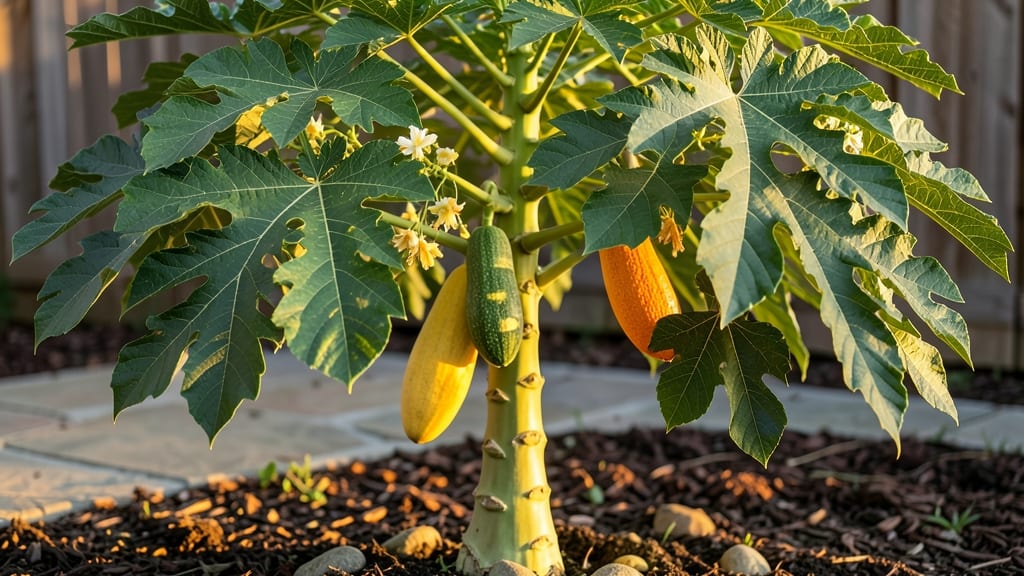
Growing papaya trees in California thrives with varieties like 'SunUp' and 'Red Maradol,' which adapt well to the state’s Mediterranean climate. Plant in well-draining soil, provide full sun, and protect from frost with containers or indoor overwintering for optimal growth and fruiting.
California’s mild, frost-free winters and long growing season make it one of the best places in the U.S. to cultivate tropical fruit trees like papaya. 🌿 The key is choosing cold-tolerant varieties and mimicking their native tropical environment through soil drainage and sunlight exposure.
While coastal areas offer more consistent warmth, inland regions can still succeed with container growing or temporary frost protection—think of it as giving your papaya a cozy winter retreat indoors.
What sets California apart is the ability to grow papayas year-round in frost-free zones, though most gardeners focus on spring planting for summer harvests. The 'SunUp' variety, for example, handles cooler nights better than traditional types, while 'Red Maradol' thrives in warmer microclimates like the Central Valley.
For container growing, use large pots with drainage holes and move them under cover when temperatures dip below 50°F—this simple adjustment can mean the difference between a thriving tree and a lost investment.
💡 In This Article
- California’s Mediterranean Climate and Papaya Tree Adaptation
- Best Papaya Varieties for California Gardens and Containers
California’s Mediterranean climate and papaya tree adaptation
California’s Mediterranean climate—marked by warm, dry summers and mild, wet winters—creates near-perfect conditions for papaya trees, which naturally thrive in tropical regions with 75-85°F daytime temperatures and high humidity.
The state’s coastal areas, like San Diego or Santa Barbara, offer the most consistent warmth, with winter lows rarely dropping below 40°F, while inland valleys can experience more dramatic temperature swings.
Papayas need protection when nighttime temps fall below 50°F, as chilly air triggers leaf damage and stunted growth.
The key adaptation factor is humidity—papayas prefer 60-80% relative humidity, but California’s dry air requires gardeners to mimic tropical conditions. This means regular misting during dry spells or using 5-gallon containers filled with water near the tree to increase local moisture.
Soil drainage is equally critical: papayas hate soggy roots, so amend native clay soils with 20% perlite or coarse sand to prevent waterlogging, which leads to root rot—a silent killer of tropical trees.
Microclimates play a huge role in California’s success with papayas. Coastal gardens benefit from ocean breezes that moderate temperatures, while inland areas need strategic planting near south-facing walls or under patio covers to capture 6+ hours of direct sunlight daily.
The Central Valley’s intense summer heat (often exceeding 95°F) requires afternoon shade cloth to prevent leaf scorch, while coastal regions can handle full sun exposure year-round. 🌞
Frost is the biggest threat, and even a single night below 32°F can devastate a papaya tree. Gardeners in frost-prone zones (like the Central Coast) should use 15-gallon black plastic pots on wheels for easy indoor relocation during winter.
For permanent protection, wrap the tree trunk with burlap or frost cloth and place a 25-watt heat lamp nearby on cold nights—a simple but effective solution that mimics the tropical canopy effect.
What most gardeners overlook is the importance of soil pH between 6.0-7.0. California’s alkaline soils often test higher, which can lock out essential nutrients like phosphorus. Amend planting holes with composted manure or peat moss to lower pH naturally, and conduct a soil test before planting.
The right balance ensures robust root development, which directly impacts fruit production—healthy roots mean more energy for flowering and fruiting.
Seasonal timing matters too. Plant papaya seeds or young trees in late spring (May-June) when soil temperatures exceed 65°F, giving them 120-150 days of warm weather to establish before winter.
Coastal gardeners can extend the season by planting in early fall (September) for winter harvests, but inland growers should stick to spring planting to avoid heat stress during summer.