
Flowers
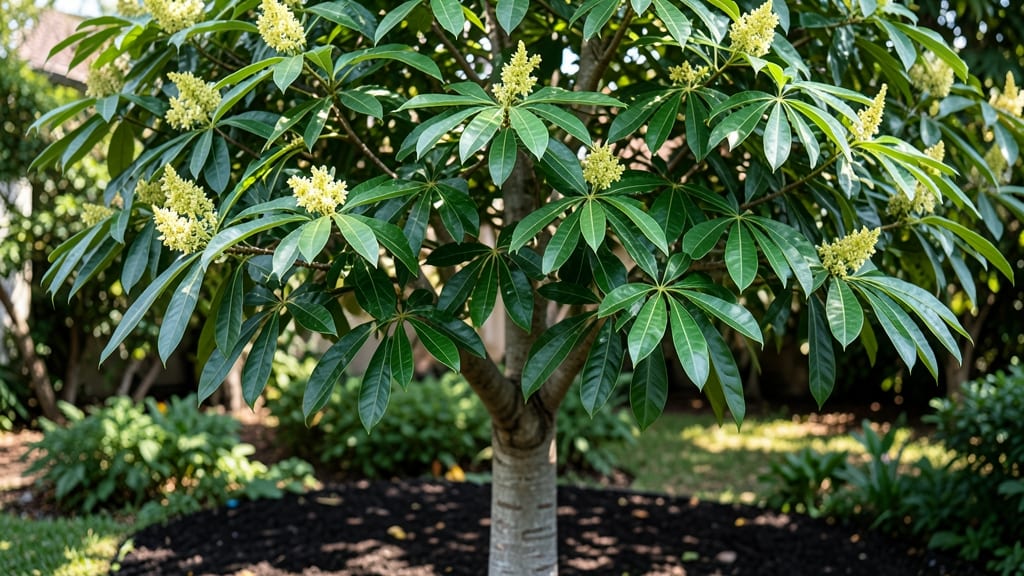
Your garden just got a tropical upgrade with paradise tree flowers—those showstopping, fragrant blooms that turn any space into a sun-drenched escape. 🌺 I’ve watched mine transform a dull corner into a vibrant, fragrant oasis, and the secret isn’t just the tree itself but how you style it with complementary plants.
The key is pairing paradise trees with sun-loving companions like hibiscus, bird of paradise, or bougainvillea. Their bold colors and textures create a layered, exotic look, while plants like palmettos or ferns add softness to the dramatic foliage.
For borders, mix in dwarf varieties like Mexican feather grass or purple heart for contrast. By late spring, your tree will burst into bright pink, red, or orange blooms that last all year in warm climates.
The fragrance alone makes it worth the investment—imagine strolling through a garden that smells like a tropical paradise. With the right placement, it becomes the centerpiece of any outdoor space. Works in containers too—just ensure it gets full sun and well-draining soil.
Whether you’re designing a courtyard, patio, or full backyard, this tree brings drama and charm effortlessly. Let’s make your garden unforgettable!
📚 In This Guide
- What you need
- Instructions
- Tips and common mistakes
- Wrapping up and next steps
What you need
- ● Paradise Tree Seeds or Saplings: 1–3 (seeds take longer to bloom; saplings offer faster results).
- ● Well-draining potting mix: 5–10 gallons (use a blend of coconut coir, perlite, and compost for optimal drainage).
- ● Pot or garden bed: For containers: 15–20 gallon pot with drainage holes (terracotta or fabric pots recommended).
- ● For in-ground planting: A sunny spot with loose, sandy soil (amend with compost if needed).
- ● Slow-release fertilizer: 1–2 cups (balanced 6-6-6 or organic options like fish emulsion).
- ○ Mulch (optional but helpful): 2–3 inches of bark or pine needles to retain moisture.
- ● Gloves & long sleeves: Protect against thorns (trust us, they’re sharp!).
- ● Trowel or shovel: For planting or repotting.
- ● Watering can or hose with a gentle nozzle: Avoid over-saturating the roots.
- ● Pruning shears (sterilized): For shaping and deadheading spent blooms.
- ● Sunlight access: 6+ hours of direct sun daily (partial shade tolerates but reduces blooms).
- ○ Patience (optional but recommended): Seeds may take 2–3 years to flower; saplings bloom faster!
- ● 🌡️ Climate note: Paradise Trees thrive in USDA Zones 10–12 (or as a container plant in cooler zones).
- ● ✨ Boost blooms: Prune lightly after flowering to encourage new growth.
- ● 💧 Watering: Let soil dry slightly between waterings (overwatering = root rot!).
Step-by-step instructions for cultivating paradise tree flowers
Here's how to nurture these fragrant tropical beauties into a lush, blooming centerpiece for your garden.
🌱 Step 1: Select the Right Location and Prepare the Soil
The paradise tree (Simarouba glauca) thrives in full sun to partial shade, with at least 6 hours of direct sunlight daily. Choose a spot sheltered from strong winds, as their delicate blooms can tear easily. I always test the soil pH first—these trees prefer slightly acidic to neutral soil (6.1-7.5). If your soil is too alkaline, amend it with 2-3 inches of compost mixed into the top 12 inches of soil.
Dig a planting hole twice as wide as the root ball but only as deep. The top of the root ball should sit 1-2 inches above ground level to prevent waterlogging. Loosen the sides of the hole with a shovel to encourage root spread. If planting in containers, select pots at least 18 inches wide and deep with drainage holes.
☀️ Step 2: Plant and Establish the Tree
Carefully remove the tree from its container and gently tease the roots apart if they're circling. Place it in the hole and backfill with the original soil, pressing lightly to remove air pockets. Water deeply immediately after planting to settle the soil and eliminate gaps. I like to add a 2-inch layer of mulch around the base (but not touching the trunk) to retain moisture and regulate soil temperature.
Keep the soil consistently moist for the first 4-6 weeks—this is critical for root establishment. Avoid letting the soil dry out completely, but don’t overwater, as paradise trees are sensitive to soggy roots. You’ll know it’s right when the top 2 inches of soil feel damp but not saturated. Young trees benefit from a balanced, slow-release fertilizer applied every 2-3 months during the growing season.
💧 Step 3: Prune and Encourage Blooming
Prune your paradise tree in late winter or early spring before new growth begins. Remove any dead, diseased, or crossing branches first. Then, thin out 10-20% of the canopy to improve airflow and sunlight penetration—this encourages more abundant blooming. I always make cuts just above a leaf node or outward-facing bud to promote healthy regrowth.
Watch for new growth flushes in spring, which signal the tree is ready for a light feeding with a phosphorus-rich fertilizer (like 10-20-10). This boosts flower production. Deadhead spent blooms regularly to redirect the tree’s energy into new flowers. If your tree isn’t blooming after a year, it may need more sunlight—gradually move it to a sunnier spot over a few weeks to avoid shock.
✂️ Step 4: Maintain Year-Round Health
Paradise trees are drought-tolerant once established, but they reward consistent care with fragrant blooms year-round in warm climates. Water deeply once a week during dry spells, ensuring the moisture reaches 12 inches down. In containers, you may need to water every 3-4 days—check when the top 1-2 inches of soil feel dry.
Monitor for pests like scale insects or spider mites, which thrive in dry conditions. I spray the foliage with neem oil (mixed as directed) at the first sign of infestation. In colder climates, protect young trees with burlap wraps if temperatures drop below 30°F—they’re sensitive to frost damage. With proper care, your paradise tree will reward you with sweetly scented, creamy-white flowers that bloom continuously in warm weather.
Tips & tricks for perfect paradise tree flowers
Transforming your paradise tree into a fragrant blooming masterpiece takes a few strategic moves—here's what I've learned after nurturing my own.
Sunlight Strategy: While the instructions mention 6 hours of sunlight, I've found that gradually increasing exposure over 2-3 weeks prevents leaf scorch. Start with morning sun only, then expand to afternoon exposure. This mimics natural acclimation and helps the tree adjust without stress.
Soil Preparation Insight: The 2-3 inches of compost recommendation is perfect, but I go one step further by mixing in a handful of mycorrhizal fungi granules. These beneficial microbes help the roots absorb nutrients more efficiently, which directly supports flower production. Think of it as a natural growth booster.
Watering Wisdom: For the critical 4-6 week establishment period, I use a moisture meter to check soil dampness rather than guessing. Aim for readings between 40-60% moisture—this range keeps roots happy without waterlogging. Overwatering is the #1 cause of root rot in paradise trees.
Pruning Precision: When thinning 10-20% of the canopy in Step 3, I focus on removing branches that cross or rub against each other. These create weak points where pests can enter. I also make sure to cut just outside the branch collar—the swollen area where the branch meets the trunk—to promote faster healing.
Pro Tips for Paradise Tree Flowers
- Transforming your paradise tree into a fragrant blooming masterpiece takes a few strategic moves—here's what I've learned after nurturing my own.
- Sunlight Strategy: While the instructions mention 6 hours of sunlight, I've found that gradually increasing exposure over 2-3 weeks prevents leaf scorch.
- Soil Preparation Insight: The 2-3 inches of compost recommendation is perfect, but I go one step further by mixing in a handful of mycorrhizal fungi granules.
Frequently asked questions
Got questions about paradise tree flowers? You’re not alone!
Whether you're dreaming of planting one or curious about their care, here are some of the most common queries—and their answers—to help you grow these fragrant beauties with confidence.
How do I know if my paradise tree flowers are healthy?
Healthy paradise tree flowers (like Thespesia populnea or Tabebuia caraiba) have glossy, vibrant green leaves and abundant blooms year-round. Watch for yellowing leaves (overwatering) or crispy edges (underwatering). Pests like spider mites or scale insects may also signal stress. Prune dead branches and fertilize lightly to keep them thriving!
When is the best time to plant paradise tree flowers?
The ideal time to plant paradise tree flowers is during spring or early summer, when temperatures are warm but not scorching. This gives roots time to establish before winter. If you’re in a tropical climate, you can plant year-round—but avoid extreme heat or cold snaps. Young trees benefit from partial shade for the first few weeks.
Can paradise tree flowers grow in containers?
Yes! While they thrive in the ground, paradise trees can grow in large containers (at least 24 inches deep) with well-draining soil. Use a mix of potting soil and perlite, and ensure the pot has drainage holes. Repot every 2–3 years and fertilize monthly during growing seasons. Just be ready to move them indoors if temps drop below 50°F (10°C).
Why aren’t my paradise tree flowers blooming?
If your paradise tree isn’t flowering, check these common culprits:
- Lack of sunlight: These trees need full sun (6+ hours/day).
- Over-fertilizing: Too much nitrogen = leafy growth, not flowers. Use a balanced 10-10-10 fertilizer sparingly.
- Stress: Sudden temperature changes or drought can halt blooms.
- Age: Younger trees (under 3 years) may take time to flower.
Are paradise tree flowers drought-tolerant?
Once established, paradise trees are moderately drought-tolerant, but they still need regular watering (every 1–2 weeks) during dry spells. Deep watering encourages strong root growth. In extreme drought, leaves may wilt or drop—but they bounce back quickly once hydrated. Mulching helps retain moisture and reduce watering needs.
Wrapping up and next steps
The paradise tree flower isn’t just a stunning addition to your garden—it’s a fragrant, low-maintenance gem that brings tropical elegance year-round. Whether you’re a seasoned gardener or just starting, its vibrant blooms and easy care make it a must-have for any outdoor space. 🌺
Ready to transform your garden? Start by choosing the perfect spot—sunny, sheltered, and well-drained—and watch your paradise tree thrive! Plant one today and enjoy the beauty (and scent!) for seasons to come.