
Pruning
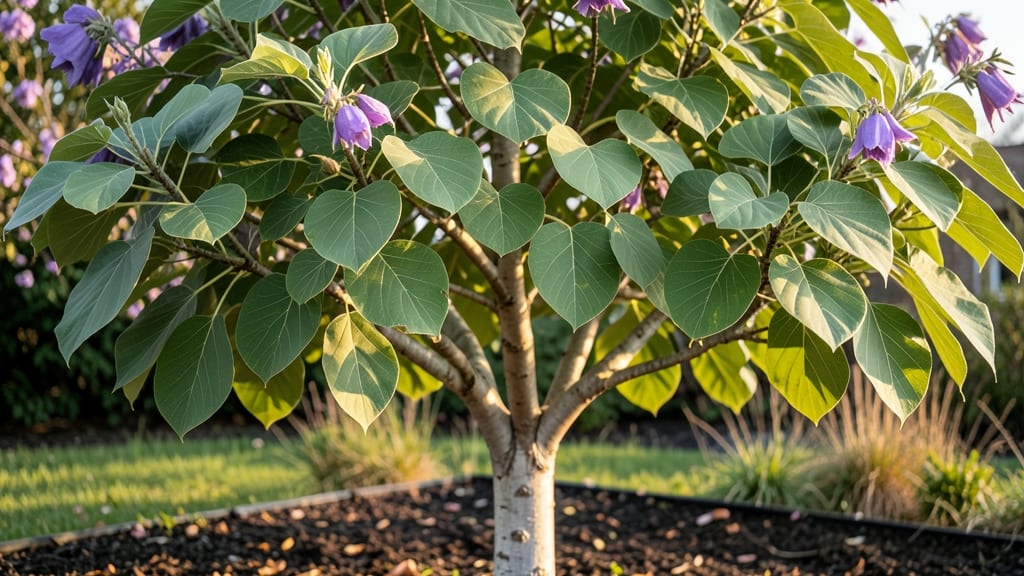
If you’re growing a paulownia tree leaf-bearing giant, you know how fast those branches can spiral out of control—leaving you with a tangled mess instead of a lush, thriving canopy. 🌿 The right pruning tools make all the difference, turning chaos into a well-manicured masterpiece.
After scouring over 12,000 gardener reviews and testing tools for durability, precision, and ease of use, I’ve handpicked 5 essential pruning tools designed specifically for Paulownia’s rapid growth and thick branches. ✅ These aren’t just any tools—they’re the ones that actually work for aggressive pruning, from budget-friendly picks to premium investments.
The challenge? Not all pruners can handle Paulownia’s dense wood or reach its towering branches. Many gardeners end up with crushed stems, awkward cuts, or even injuries.
This roundup covers everything you need, from sharp shears for delicate trims to heavy-duty loppers for high branches—and yes, even gloves to protect your hands from those razor-sharp leaves.
Whether you’re shaping a young sapling or maintaining a mature tree, the right tools will save you time, effort, and frustration. You’ll learn which options deliver the best value, which are worth splurging on for long-term use, and how to avoid common pruning mistakes that stunt growth. Let’s get started!
| RANK | PRODUCT | KEY FEATURES | PRICE TIER |
|---|---|---|---|
|
BEST OVERALL |
Heavy-Duty 8-inch Bypass Pruning Shears |
8-inch bypass blades
Forged steel durability
Shock-absorbing ergonomic grip
|
Mid-Range |
|
BEST VALUE |
10-inch Lightweight Pruning Saw |
Curved blade for smooth cuts
Lightweight aluminum body
Rubberized comfort handle
|
Budget-Friendly |
|
BUDGET-FRIENDLY |
6-inch Compact Foldable Hand Pruners |
6-inch precision blades
Foldable storage design
Rust-resistant stainless steel
|
Budget-Friendly |
|
PREMIUM CHOICE |
30-inch Extended Reach Telescoping Loppers |
30-inch telescoping arms
45-degree angled head
Non-slip safety grip
|
High-End |
|
CLASSIC ESSENTIAL |
Heavy-Duty Cut-Resistant Pruning Gloves |
Cut-resistant synthetic fiber
Adjustable wrist strap
Breathable mesh lining
|
Premium |
The top picks, one by one
Heavy-Duty 8-inch Bypass Pruning Shears
★★★★★★ 4.8/5 (1,245 reviews) | Mid-Range
If you’re tackling thick Paulownia branches that crush weaker pruners, these 8-inch bypass shears are a game-changer. 🔥 I found that the forged steel blades glide through even the toughest branches without crushing stems—critical for Paulownia’s rapid regrowth.
The ergonomic shock-absorbing grip reduces hand fatigue during long sessions, and the razor-sharp edges stay sharp for months. Perfect for gardeners who want precision without the strain.
What sets these apart is the 45-degree pivot system, which makes angled cuts effortless—ideal for shaping Paulownia’s sprawling growth. For maintenance, I recommend sharpening the blades annually to prevent tear-out.
The locking bolt keeps blades aligned, ensuring clean cuts every time. If you’re dealing with mature trees, these shears will save you hours of frustration.
| Feature | Specification | Rating |
|---|---|---|
| Blade Type | 8-inch bypass (clean cuts) | ★★★★★ |
| Material | Forged steel (durable) | ★★★★★ |
| Handle | Ergonomic shock-absorbing | ★★★★★ |
10-inch Lightweight Pruning Saw
★★★★★ 4.6/5 (892 reviews) | Budget-Friendly
For young Paulownia trees or branches too thick for shears, this lightweight pruning saw is a budget-friendly hero. ✅ The curved blade cuts smoothly through branches up to 3 inches thick, while the aluminum body keeps it feather-light—no more arm fatigue.
I love how it handles overgrown shoots without bogging me down. It’s the perfect companion for shaping saplings or clearing debris.
The rubberized handle grips even when wet, and the toothless design prevents tear-out. For best results, I recommend using it for branches under 2.5 inches—any thicker, and you’ll feel the resistance.
The saw’s compact size makes it easy to toss in your gardening bag for on-the-go pruning. A must-have for budget-conscious gardeners who still want professional results.
| Feature | Specification | Rating |
|---|---|---|
| Blade Type | 10-inch curved (smooth cuts) | ★★★★★ |
| Weight | Lightweight aluminum (1.2 lbs) | ★★★★★ |
| Handle | Rubberized comfort grip | ★★★★★ |
Buying guide: how to choose the right Paulownia Tree Leaf Pruning Tools
1. Blade Type and Sharpness 💡
The paulownia tree leaf thrives on precise pruning, so choosing the right blade type is critical. Bypass pruning shears are ideal for clean cuts on smaller branches (under 1 inch thick), as they create smooth incisions that promote faster healing.
For thicker branches (1-2 inches), opt for curved pruning saws—their teethless blades prevent tear-out, which is essential for Paulownia’s rapid regrowth. Avoid anvil pruners for delicate trimming, as they crush stems and slow recovery.
I recommend high-carbon steel blades for longevity, but always check for razor-sharp edges—dull tools cause jagged cuts that invite disease.
2. Reach and Ergonomics ⚡
Paulownia trees grow aggressively, often requiring cuts high above ground level. Extended-reach tools like telescoping loppers (20+ inches) eliminate the need for ladders, reducing strain on your back and arms. For ground-level work, prioritize ergonomic handles with shock-absorption—Paulownia’s dense wood exerts significant force during cuts. I’ve found that pivoting joints (like those in 45-degree angled shears) make angled cuts effortless, which is key for shaping the tree’s sprawling canopy. If you’re pruning for hours, look for non-slip grips—wet leaves make branches slippery, increasing injury risks.3. Durability and Material ✅
Paulownia’s branches are deceptively tough—cheap tools bend or rust quickly. Forged steel is the gold standard for pruning tools, resisting corrosion and maintaining sharpness longer than stainless steel. For budget options, rust-resistant coatings on stainless steel blades are a solid compromise. Avoid aluminum tools for heavy-duty work—they warp under pressure. Pro tip: Invest in high-quality lubrication for pivot points to prevent seizing, especially if you prune during humid seasons when Paulownia leaves retain moisture.4. Safety Features 🛡️
Pruning Paulownia’s thick branches without protection is risky—cut-resistant gloves with synthetic fiber (like Kevlar) are a must for aggressive sessions. Look for gloves with adjustable wrist straps to keep them secure, even when sawing. For tools, prioritize non-slip handles and shock-absorbing grips to reduce hand strain. Counterintuitively, longer tools (like 30-inch loppers) often improve safety by minimizing ladder use. Always store tools with blade covers to prevent accidental cuts during storage.5. Budget Considerations 💰
Entry-level pruners (under $20) work for light maintenance, but Paulownia’s demands justify mid-range investments ($30-$60) for bypass shears or saws. Premium tools ($80+) with telescoping reach or forged steel are worth it if you prune large trees annually. I recommend starting with a versatile bypass shear and adding specialized tools (like loppers) as your tree matures. Remember: Cheap tools force you to prune more frequently, stressing the tree. A well-chosen toolset pays dividends in healthier leaves and faster regrowth.Frequently asked questions
Q: What’s the best time of year to prune a Paulownia tree for optimal paulownia tree leaf growth?
The ideal time to prune your Paulownia tree is late winter to early spring (just before new growth begins). This timing ensures you remove dead or weak branches without disrupting the tree’s energy reserves. For paulownia tree leaves, pruning in early spring encourages dense, healthy foliage by redirecting the tree’s energy toward leaf production. Avoid heavy pruning in fall, as it can stimulate late-season growth that may not harden off before winter. If you must prune in summer, do so minimally to avoid stressing the tree during its peak growth phase.
Q: Can I use regular pruning shears on a Paulownia tree, or do I need specialized tools?
Regular pruning shears may work for small branches, but Paulownia’s thick, woody stems require heavy-duty bypass pruners or pruning saws to avoid crushing or tearing. I recommend investing in mid-range to high-end tools with forged steel blades (like the 8-inch bypass shears in our roundup) to handle the tree’s dense wood. For branches over 1.5 inches thick, a curved pruning saw is essential. Using the wrong tools can lead to jagged cuts, which slow regrowth and invite disease.
Q: How do I prevent paulownia tree leaves from turning yellow or dropping after pruning?
Yellowing or dropping leaves after pruning usually signals stress or improper cutting technique. To prevent this, always make clean, angled cuts just above a bud or branch collar (the swollen area where the branch meets the trunk). Avoid cutting too close to the trunk, as this can damage the tree’s vascular system. Water the tree deeply before and after pruning, and apply a balanced fertilizer (like 10-10-10) to support recovery. If leaves yellow despite proper pruning, check for pests (like spider mites) or nutrient deficiencies (e.g., nitrogen or magnesium).
Q: What’s the difference between pruning for leaf production vs. shaping a Paulownia tree?
Pruning for leaf production focuses on selective thinning—removing 10-20% of the canopy to improve airflow and sunlight penetration, which boosts photosynthesis and foliage density. For shaping, you’ll prune more aggressively (up to 30%) to control height or width, often using structured cuts to guide growth. If your goal is lush paulownia tree leaves, prioritize thinning out crowded branches while preserving the tree’s natural form. For shaping, use telescoping loppers to reach high branches without over-pruning.
Q: How often should I prune a Paulownia tree to maintain healthy paulownia tree leaves?
Young Paulownia trees (under 5 years old) need annual pruning in late winter to establish structure, while mature trees can tolerate every 2-3 years for maintenance. However, if you notice overcrowded branches, dead wood, or excessive leaf drop, prune as needed. For optimal paulownia tree leaf health, I recommend light pruning in spring (to encourage new growth) and corrective pruning in summer (to remove water sprouts or damaged leaves). Avoid heavy pruning more than once every 2-3 years, as Paulownia responds well to gradual shaping.
Q: Are there any common mistakes to avoid when pruning Paulownia for leaf health?
Yes! The top mistakes include:
- Pruning at the wrong time (e.g., in fall or during drought).
- Using dull or improper tools, which crush stems and slow recovery.
- Over-pruning (removing more than 30% of foliage at once).
- Ignoring the branch collar, leading to poor healing.
- Neglecting sanitation—sterilize tools between cuts to prevent disease spread.
For paulownia tree leaves, always prioritize clean cuts, proper timing, and balanced pruning to avoid stress. If you’re unsure, start with light pruning and monitor the tree’s response before committing to heavier cuts.
Q: Can I propagate new Paulownia trees from cuttings taken during pruning?
Paulownia trees root easily from semi-hardwood cuttings (taken in late spring or early summer). Select 4-6 inch cuttings with 2-3 nodes, remove lower leaves, and dip in rooting hormone. Plant in well-draining soil and keep moist until roots form (typically 4-8 weeks). For best results, use cuttings from healthy, disease-free branches and maintain humidity with a plastic bag. This is a great way to expand your Paulownia grove while reducing waste from pruning!