
Container Gardens
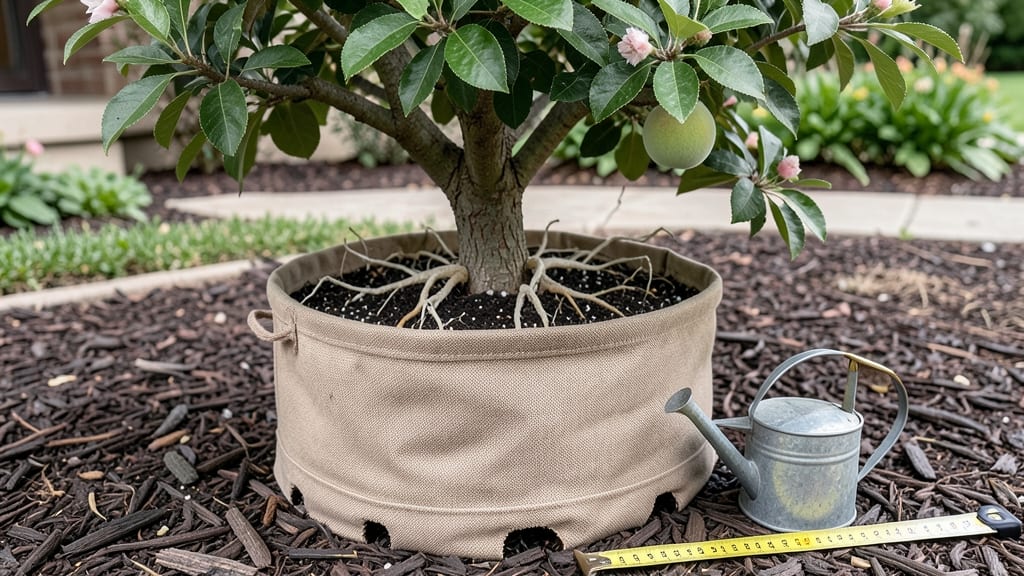
Growing peach trees in containers requires careful attention to peach tree container size, and I learned the hard way that while dwarf varieties can survive in 25-gallon pots, they truly thrive in 30+ gallons. 🌱 My first attempt in a 15-gallon pot had me pruning roots every spring—until I upgraded and saw the difference in fruit production.
The right container isn't just about size; it's about giving roots room to spread without circling, which stunts growth and reduces harvests.
Fabric grow bags or half barrels work best because they prevent root-bound stress and allow for better drainage than plastic. I use a 5-foot-tall container for my Bonanza dwarf peach, which keeps the tree manageable while still producing 20-30 pounds of fruit per season.
The key is matching the container's diameter to the tree's mature spread—usually 24-36 inches—and ensuring it has drainage holes to prevent soggy roots.
You'll need a well-draining soil mix with 50% potting soil, 30% compost, and 20% perlite or sand to mimic peach tree root zones. Fertilize monthly during growing season with a balanced 10-10-10 or citrus-specific formula, and repot every 2-3 years to refresh the soil.
The payoff? Trees that fruit reliably, even in small yards or patios, with minimal stress.
Here's the secret: Prune in late winter to shape the tree and open the center for airflow, and move containers to full sun (6+ hours daily) in spring.
I've grown peaches in containers for five years now—no orchard needed. The trick is starting with the right container size and never skimping on drainage or soil quality.
📚 In This Guide
- What you need
- Instructions
- Tips and common mistakes
- Wrapping up and next steps
What you need
- ● Container: A large, durable pot with drainage holes (minimum 18-24 inches in diameter and 24+ inches deep for dwarf varieties like ‘Bonanza’ or ‘Bonanza Red’). Pro tip: 💡 Use a 5-gallon fabric grow bag or a whiskey barrel for a rustic, space-efficient look!
- ● Quality potting mix: 10-15 gallons of a well-draining, loamy mix (combine 50% potting soil, 30% compost, and 20% perlite or sand). Avoid garden soil—it compacts and suffocates roots!
- ● Dwarf peach tree: Choose a self-pollinating variety (e.g., ‘Bonanza’, ‘Redhaven’, or ‘Sanguin’) from a nursery. Pro tip: 🌡️ Ensure it’s bare-root or potted and dormant (best planted in late winter/early spring).
- ● Drainage layer: 2-3 inches of gravel, pebbles, or broken pottery to prevent root rot.
- ● Support stake: A 4-6 ft wooden or metal stake (for stability, especially in windy areas).
- ● Gloves & pruning shears: For handling roots and trimming.
- ● Trowel or shovel: For digging and mixing soil.
- ○ Slow-release fertilizer: Optional but helpful—use a balanced 10-10-10 or fruit-tree-specific fertilizer (follow package instructions).
- ● Mulch: 2-3 inches of straw or wood chips to retain moisture.
- ● Wheelbarrow or bucket: For mixing soil and transporting materials.
- ● Container saucer or tray: To catch runoff and protect surfaces.
Perfect container sizing for dwarf peach trees in small spaces
Dwarf peach trees thrive in containers with the right dimensions—here’s how to choose and prepare them for years of fruit.
🪴 Step 1: Select the Right Container Dimensions
For dwarf peach varieties, aim for a container that’s at least 18-24 inches deep and 12-18 inches wide. The depth is critical—peach trees develop deep taproots, and shallow pots restrict growth. I use 24-inch-diameter round containers for my patio trees because they provide stability and ample root space.
Check for multiple drainage holes—without them, roots will suffocate from waterlogging. If your container lacks drainage, drill holes yourself or place it inside a saucer filled with gravel. The container must also be at least 12 inches taller than the tree’s current height to allow for 3-4 years of growth.
🌱 Step 2: Choose a High-Quality Potting Mix and Fertilizer
Fill the container with a well-draining potting mix designed for fruit trees. I blend 50% premium potting soil, 30% perlite or pumice, and 20% compost to ensure aeration and nutrients. Avoid garden soil—it compacts in containers and blocks root development.
Add a slow-release fertilizer (like 10-10-10) mixed into the bottom 2 inches of soil. This ensures roots have immediate access to nutrients as they spread. For established trees, top-dress with organic fertilizer in early spring to support flowering and fruiting.
☀️ Step 3: Position for Sunlight and Wind Protection
Dwarf peach trees need 6-8 hours of direct sunlight daily—a south or west-facing spot works best. If you’re in a hot climate, provide afternoon shade to prevent leaf scorch. I place mine near a brick wall, which reflects heat and protects against cold drafts.
Wind can stress container-grown trees, so position them where they’ll get gentle airflow but not constant gusts. If your patio is exposed, use a windbreak like a lattice screen or group containers together for mutual support. Watch for leaves curling or wilting—this is your cue to adjust placement.
💧 Step 4: Water Deeply and Maintain Moisture Consistency
Water when the top 2 inches of soil feel dry—containers dry out faster than ground soil. I use a soaker hose or watering can to saturate the entire root zone until water runs out the drainage holes. Overwatering is worse than underwatering; peach trees hate soggy roots.
Mulch the surface with 2-3 inches of wood chips to retain moisture and regulate soil temperature. Replenish mulch annually, but keep it 2 inches away from the trunk to prevent rot. In winter, add an extra 1-2 inches of mulch for insulation.
✂️ Step 5: Prune for Shape and Fruit Production
Prune in late winter or early spring before buds swell. Remove dead, crossing, or weak branches first, then thin out 20% of the canopy to improve airflow. I target branches growing inward or downward—they compete with fruit-bearing limbs.
Shape the tree into an open-center form (like a vase) to maximize sunlight penetration. Avoid heavy pruning in summer; it stresses the tree and delays fruit development. After pruning, apply dormant oil spray to prevent pests from hiding in fresh cuts.
Tips & tricks for perfect dwarf peach tree container setup
Here's what nobody tells you about maximizing your dwarf peach tree's potential in containers—details that make all the difference between a struggling plant and a thriving fruit producer.
Container Material Matters: Terracotta pots are beautiful but dry out quickly and can crack in freezing temps. I recommend heavy plastic or glazed ceramic containers—they retain moisture better and provide more stability for windy locations. If using plastic, make sure it's UV-resistant to prevent degradation from sunlight exposure over time.
Root Space Strategy: The 18-24 inch depth recommendation isn't just about current root size—it accounts for the tree's growth over 3-4 years. If you're planting a 2-foot-tall tree, your container needs to be at least 3 feet tall to accommodate future root expansion. For smaller trees, you can use the minimum 18-inch depth but monitor growth closely and repot if needed.
Sunlight Optimization: Those 6-8 hours of direct sunlight are non-negotiable, but quality matters just as much as quantity. Position your tree where it gets morning sun and afternoon shade in hot climates—this prevents leaf scorch while still providing the energy needed for fruit production. I've found that south-facing windowsills or patios with afternoon shade work exceptionally well in Zone 7 climates.
Watering Wisdom: The "top 2 inches dry" test is perfect, but I've learned to adjust for seasonal changes. In summer, I check moisture every morning, while in winter I extend the interval to every other day. The key is to water deeply until it runs out the drainage holes—this encourages roots to grow throughout the container rather than just at the surface.
Pro Tips for Peach Tree Container Size
- Here's what nobody tells you about maximizing your dwarf peach tree's potential in containers—details that make all the difference between a struggling plant and a thriving fruit producer.
- Container Material Matters: Terracotta pots are beautiful but dry out quickly and can crack in freezing temps.
- Root Space Strategy: The 18-24 inch depth recommendation isn't just about current root size—it accounts for the tree's growth over 3-4 years.
Frequently asked questions
Got questions about growing peach trees in containers? You’re not alone!
Here are answers to the most common concerns—from space-saving hacks to troubleshooting tips—so you can enjoy homegrown peaches without the guesswork.
What’s the best container size for a dwarf peach tree?
A 5-gallon container (18–24 inches deep) is ideal for young dwarf peach trees, but mature trees need at least 20–30 gallons (24–36 inches deep). Wider containers (18–24 inches in diameter) help stabilize roots and prevent tipping. Pro tip: Add drainage holes and a saucer to catch runoff!
How long does it take for a container-grown peach tree to bear fruit?
Dwarf peach trees typically bear fruit in 2–4 years, but container size and care play a big role. Smaller containers may delay fruiting, while 5+ gallon pots with proper drainage and sunlight speed things up. Patience pays off—your first peaches could arrive sooner than you think!
Can I grow a peach tree in a fabric or flexible container?
Fabric or fabric-lined containers aren’t ideal for peach trees—they dry out too fast and don’t support root growth. Stick to rigid materials like plastic, wood, or ceramic (with drainage!). If you love fabric pots, use them only for seedlings or short-term growing before transplanting to a sturdier container.
How do I protect my container peach tree in winter?
Move containers to a protected spot (garage, shed, or against a wall) before temps drop below 20°F (-7°C). Wrap the pot in bubble wrap or frost cloth and mulch the soil with straw. Pro tip: Avoid watering before winter—wet soil freezes faster!
Why isn’t my container peach tree fruiting?
Common culprits: insufficient sunlight (6+ hours daily), poor pollination (hand-pollinate with a paintbrush), or root-bound conditions. Check your container size—if roots circle the pot, repot into a larger container (up to 2 sizes bigger) in early spring. Bonus: Fertilize with citrus-specific formula for a nutrient boost!
Wrapping up and next steps
Choosing the right peach tree container size for your small space is all about balance—prioritizing dwarf varieties and proper care to ensure a bountiful harvest. Whether you’re a beginner or a seasoned gardener, container gardening makes peach growing accessible, even in limited areas. 🌱
Now that you’re equipped with the best dwarf peach tree options and container tips, it’s time to roll up your sleeves and get planting! Start by selecting your favorite variety, gather your supplies, and create a thriving mini orchard on your balcony, patio, or windowsill. Happy growing! 🍑✨